How to Care for Philodendron Patriciae in Hong Kong | Plantjai

Plantjai 植仔 · Care Encyclopedia
Philodendron Patriciae
Philodendron patriciae 派翠西亞蔓綠絨
Hong Kong care guide — useful before you buy and after it arrives.
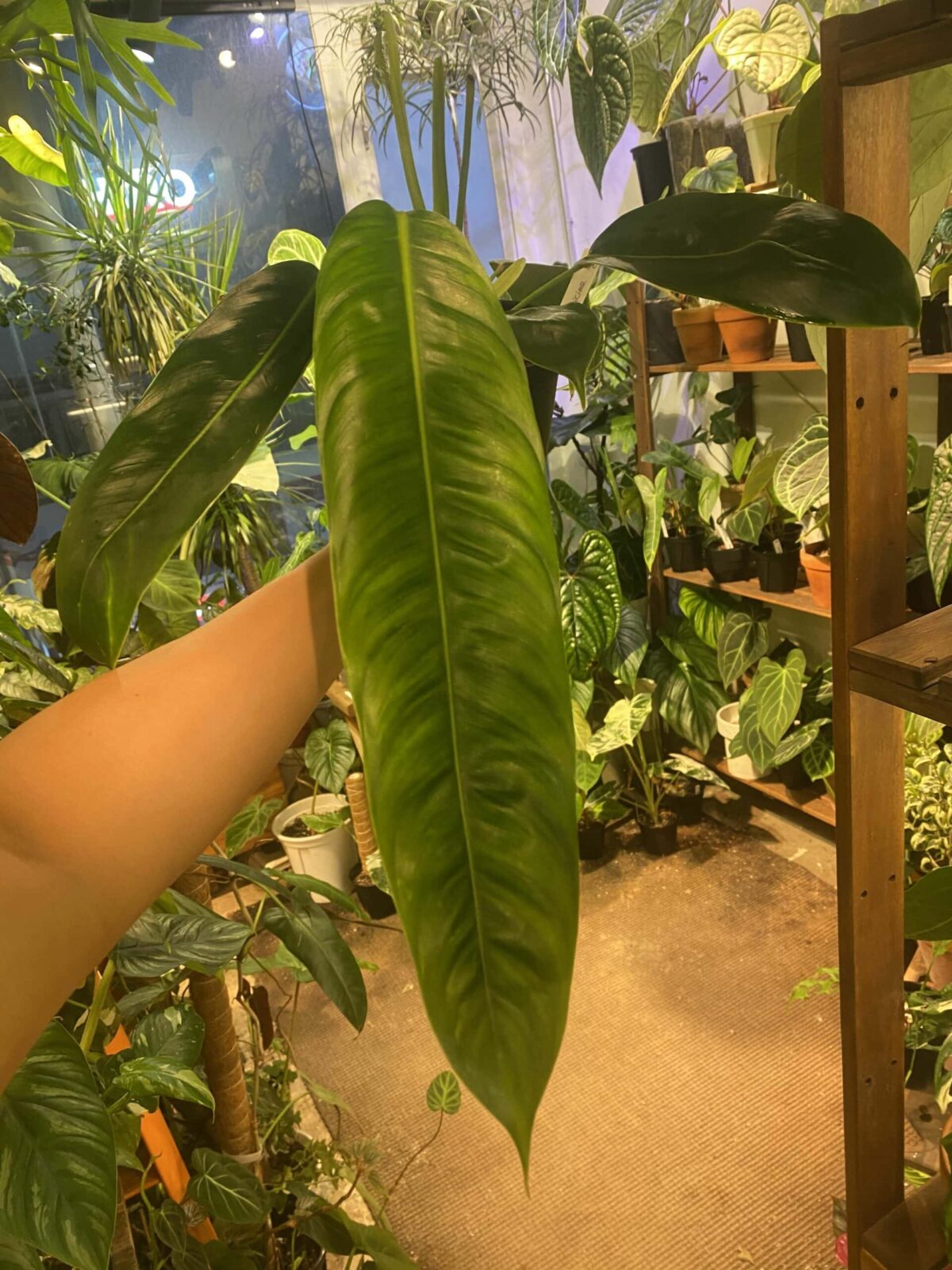
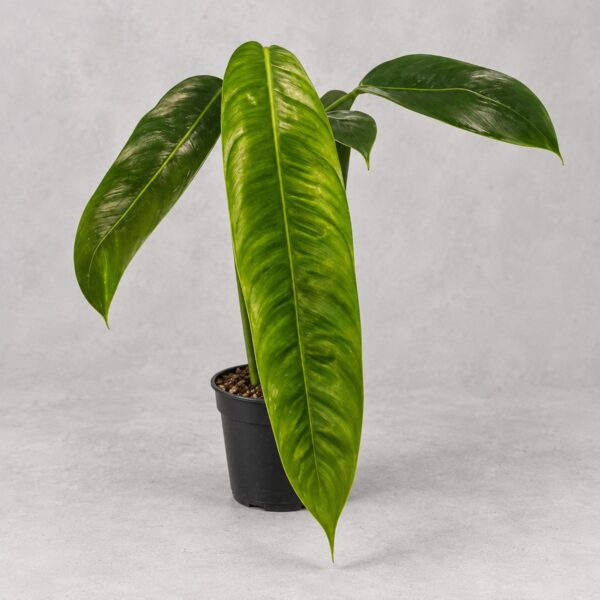
Shop this plantLong, slender lance-shaped leaves cascade like a waterfall, with a thick leathery texture and a subtle sheen; mature leaves can grow over 60 cm — the "elegant long-haired goddess" of the Philodendron family.
Origin & characteristics
- Native range: the Andean foothill tropical rainforest along the Ecuador-Peru border in South America, at roughly 300-1,200 metres elevation
- Growth habit: a climbing herbaceous vine with thick nodes; mature plants naturally climb trees or supports in the wild. Given a vertical support indoors, leaves become progressively larger and more elegantly shaped
- Leaf characteristics: narrow, lance-shaped leaves (40-70 cm long, only 8-15 cm wide), thick and leathery with a sheen; mature leaves are deep green, with new leaves often carrying a copper-red tone; sunken veins create a distinctive three-dimensional texture
- Growth rate: moderate, accelerating once given a climbing support
⚠️ Toxicity warning: Philodendron patriciae contains calcium oxalate crystals throughout the plant; ingestion causes mouth burning, swelling, drooling, and vomiting. Keep out of reach of children and pets, and wearing gloves when pruning is recommended to avoid sap contact with skin.
Light
- Ideal light: bright indirect light (1,000-2,500 lux); an east-facing window or 1-2 metres from a south-facing window is best
- Key point: ample light helps leaves maintain their thick texture and deep green sheen; too little light causes leaves to become thin and soft
- Avoid: intense midday direct sun in summer will scorch the leaf surface, with new leaves being especially delicate
- Signs of insufficient light: leaves becoming narrower and thinner, colour fading, internodes stretching, leaves drooping weakly
- Tip: providing a vertical support pole together with adequate light is the key to growing large leaves
Watering
- Frequency: water once the top 2-3 cm of soil dries out, roughly every 5-7 days in summer, every 7-10 days in winter
- Water quality: room-temperature standing water or filtered water is best
- Method: water slowly and thoroughly around the rim until it appears at the base, empty tray runoff after 30 minutes
- Standing water warning signs: leaves yellowing and going soft, lower leaves dropping, soil staying wet for a long time with an odour
- Drought warning signs: leaves drooping downward, leaf surface losing sheen, edges curling slightly
- Note: the thick leaves have some moisture storage capacity and tolerate brief drought reasonably well — better slightly dry than overwatered
Soil & pot
- Soil recipe: primarily well-draining and breathable, recommended:
- 35% peat soil + 30% perlite + 20% coarse bark + 15% coco chunks
- Or 40% quality potting soil + 30% perlite + 30% orchid mix
- pH: 5.5-6.5
- Pot choice:
- Terracotta or breathable material is best, helping roots breathe
- Drainage holes are essential
- Repotting timing: repot roughly once every 1-2 years, in spring; repot once roots have filled the pot or emerge from the drainage holes
- Support suggestions: a sphagnum or coco fibre pole is strongly recommended for it to climb — this is key to growing large, beautiful leaves; without support, leaves will be smaller and less well-formed
Temperature & humidity
- Ideal temperature: 20-28°C, with an optimal growing temperature of roughly 22-26°C
- Minimum tolerance: no lower than 15°C; long-term below 15°C causes stalled growth and cold damage
- Ideal humidity: 60-85%, with higher humidity helping new leaves unfurl smoothly and maintain their sheen
- Ways to increase humidity:
- Use a humidifier to maintain stable humidity
- A pebble tray filled with water (pot base not touching the water)
- Group with other tropical plants
- Note: humidity is most critical during new leaf unfurling — too dry may cause deformed or incomplete unfurling
Common problems
| Issue | Likely cause | What to do |
|---|---|---|
| Leaves small and short | Lack of climbing support or insufficient light | Add a moss pole, move to a brighter position |
| Leaves thin and without sheen | Light too weak | Gradually increase indirect light |
| New leaves unfurling deformed | Humidity too low | Raise humidity above 70% |
| Crispy leaf tips | Humidity too low or irregular watering | Stabilise watering, increase environmental humidity |
| Growth stalled | Temperature too low or roots have filled the pot | Check temperature, consider repotting in spring |
| Brown spots on leaves | Fungal infection or standing water | Reduce watering, improve ventilation, use fungicide if necessary |
| Weak, leggy growth | Insufficient light | Increase light intensity |
How to explain to customers
"Philodendron patriciae is a favourite among many of Plantjai's serious plant enthusiasts! Its most special feature is its long, narrow leaves, which hang down like a waterfall — really elegant. To grow it beautifully, you must give it a pole to climb, either a moss pole or coco fibre pole — as it climbs, the leaves keep getting bigger, and it's not unusual for them to reach 60 cm! Remember, let the soil dry out before watering, and keep humidity up, especially while new leaves are unfurling. It's toxic, so keep it somewhere children and pets can't reach."
Fun facts
- The origin of the name: Philodendron patriciae was formally described by botanists in 2010, named after Ecuadorian botanist Patricia G. de Vito, in recognition of her contributions to South American tropical plant research
- The mystery of the leaf shape: the narrow, elongated leaf shape of Philodendron patriciae is quite rare within the genus Philodendron, and this form is thought to be an adaptation to its native foggy, high-humidity environment — narrow leaves can shed rainwater faster, reducing the chance of fungal growth
- The magic of climbing: in its native habitat, Philodendron patriciae uses aerial roots to tightly wrap around tree trunks as it climbs upward, with leaves growing progressively larger the higher it climbs. Providing a support pole indoors to simulate this environment is the surefire way to grow spectacular large leaves
Keywords
Philodendron patriciae, long-leaf Philodendron, lance-shaped leaf, climbing plant, cascading plant, leathery leaf, tropical rainforest plant, indoor foliage plant, high-humidity plant, Plantjai, collector's plant, moss pole, aerial root climbing, toxic plant, three-dimensional veins, deep green foliage plant
參考資料(想知來源可展開)
References
- Royal Botanic Gardens, Kew — Plants of the World Online: Philodendron patriciae, https://powo.science.kew.org/
- ASPCA — Toxic and Non-Toxic Plant List, https://www.aspca.org/pet-care/animal-poison-control/toxic-and-non-toxic-plants
⚠️ Contains calcium oxalate crystals; toxic to humans and pets if ingested. Keep out of reach of children and pets.
Plantjai · Causeway Bay collector indoor plants · WhatsApp +852 66807550
Plantjai shop · In stock online
Philodendron patriciae
Philodendron patriciae
HK$1,680.00
Hong Kong delivery · Causeway Bay pickup
For Hong Kong homes and offices. Stock and pricing follow the product page.
IN STORE NOW
Plants for this guide
Related plants in stock now — live prices, delivery or Causeway Bay pickup.
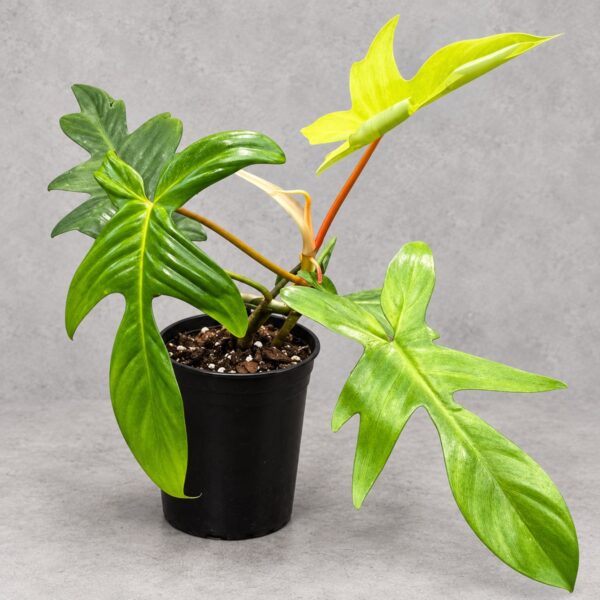
Philodendron 'Florida Ghost'
Philodendron 'Florida Ghost'
from HK$118.00
In stock · store pickup
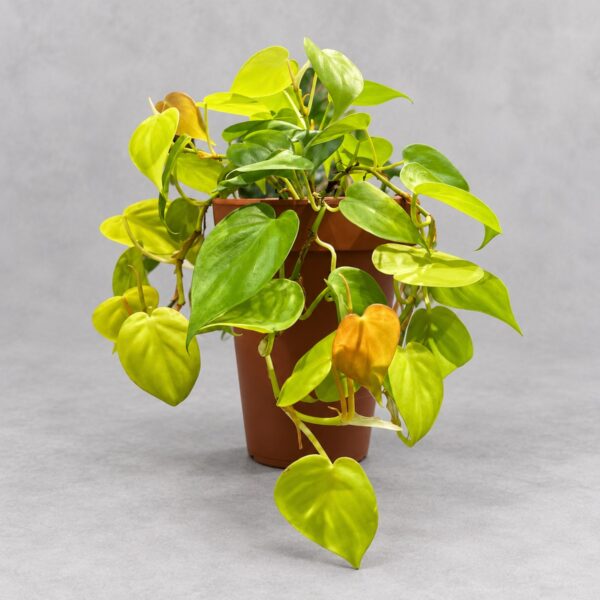
View plantPhilodendron hederaceum 'Lemon Lime'
Philodendron hederaceum 'Lemon Lime'
HK$198.00
In stock · store pickup
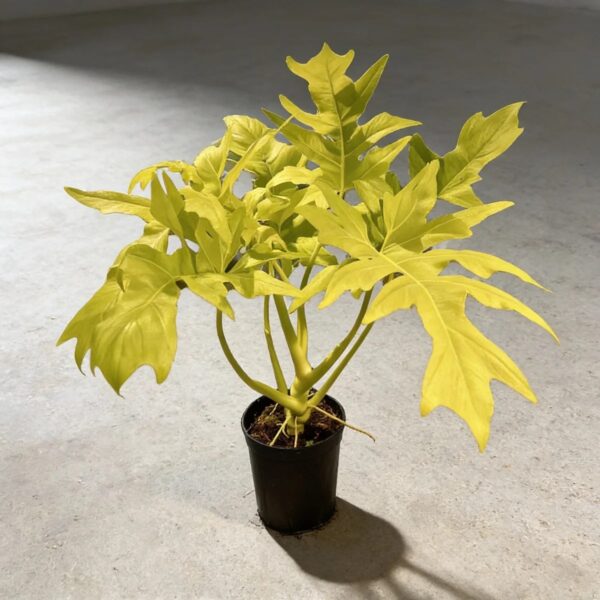
View plantPhilodendron warscewiczii 'Aurea Flavum'
Philodendron warscewiczii 'Aurea Flavum'
HK$298.00
In stock · store pickup
View plant
FREE PLANT ADVICE
Send us a photo before you change anything
WhatsApp a photo of the plant and your window light. Our Causeway Bay team will suggest care steps or plants that suit your space.
STORE · CAUSEWAY BAY
4/F, 39 Yiu Wa Street, Causeway Bay
Daily 12:30–8:00pm · ~3 min walk from Times Square
Map & directionsPlant Care