
How to Care for Philodendron Paraiso Verde in Hong Kong | Plantjai

Plantjai 植仔 · Care Encyclopedia
Philodendron Paraiso Verde
Philodendron paraiso verde 綠天堂蔓綠絨
Hong Kong care guide — useful before you buy and after it arrives.
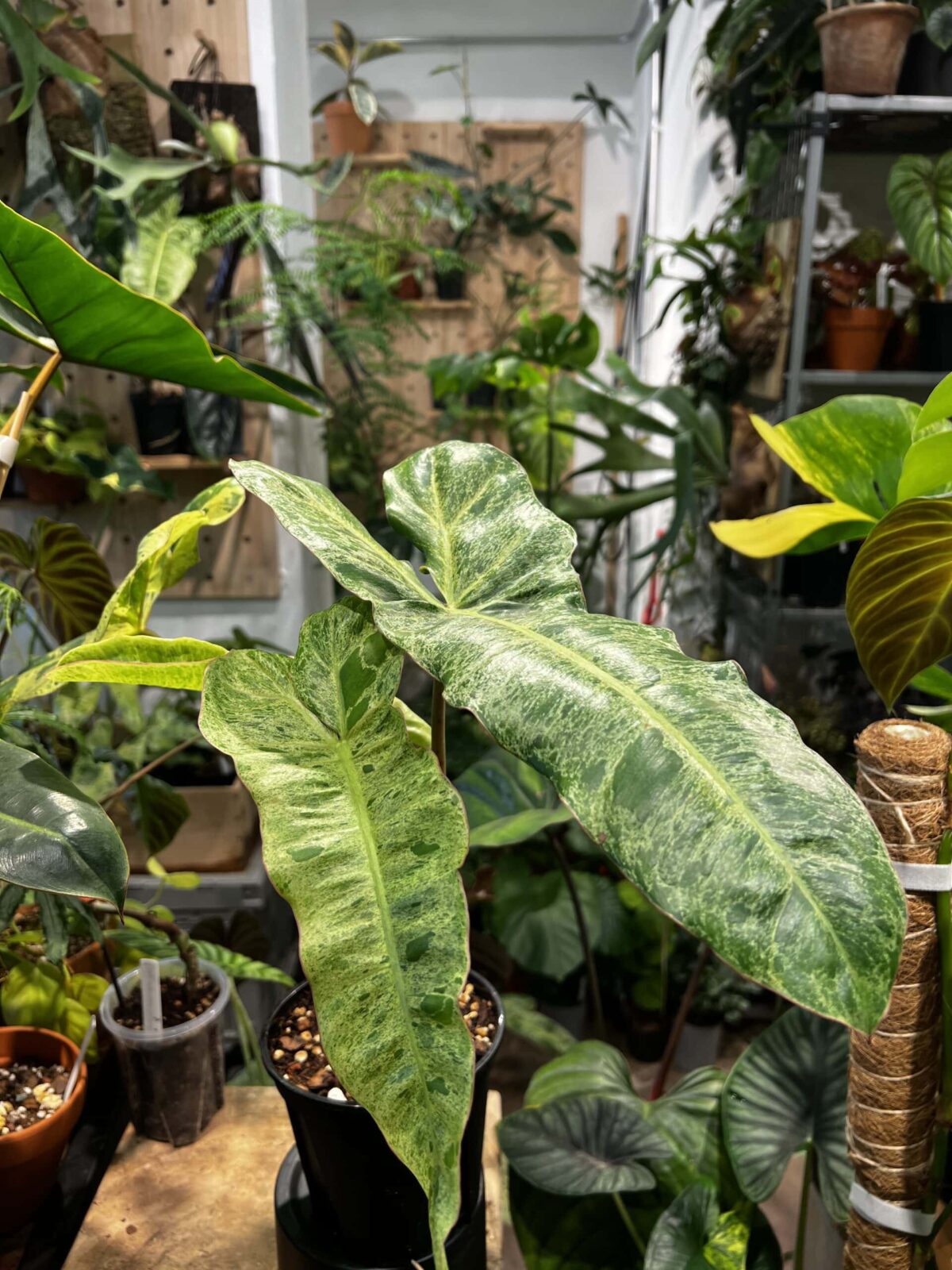
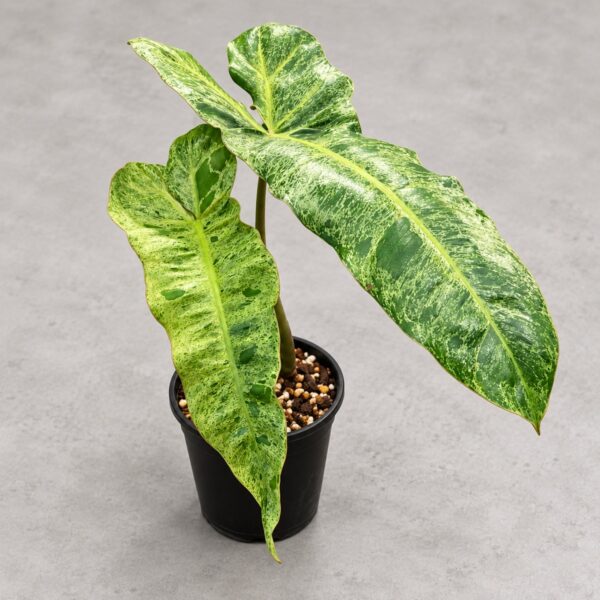
Shop this plantLong-oval leaves covered in irregular mint-green and deep green patterning, with every leaf's pattern being one-of-a-kind — hailed as a "living work of art" in the Philodendron world.
Origin & characteristics
- Native range: the tropical rainforest of South America, mainly distributed across Brazil and Peru
- Growth habit: a semi-climbing herbaceous vine with pronounced nodes; juveniles grow upright, while mature plants tend to grow horizontally or climb
- Leaf characteristics: narrow, oval leaves (mature leaves can reach 20-35 cm), with a distinctive mottled variegation effect — irregular mint-green to pale green patches scattered across a deep green base, with every leaf's pattern as unique as an abstract painting; leaf texture is relatively thin, semi-leathery
- Growth rate: moderately slow, with higher variegation typically meaning slower growth
⚠️ Toxicity warning: Philodendron paraiso verde contains calcium oxalate crystals throughout the plant; ingestion causes mouth burning, swelling, and vomiting. Keep out of reach of children and pets, and wearing gloves when pruning is recommended.
Light
- Ideal light: bright indirect light (1,000-2,500 lux), near an east-facing window or 1-2 metres from a south-facing window
- Key point: adequate light helps maintain vivid patterning; too little light causes the variegated portions to turn green, losing their distinctive character
- Avoid: intense direct light will scorch the relatively thin leaves, with the paler variegated portions especially prone to damage
- Signs of insufficient light: new leaves are almost entirely green, patterning fades or disappears, internodes stretch
- Tip: rotate the pot regularly (a quarter turn each time) to ensure even light exposure on all sides — the patterning will look better
Watering
- Frequency: water once the top 2-3 cm of soil dries out, roughly every 5-7 days in summer, every 10-14 days in winter
- Water quality: room-temperature standing water or filtered water, avoiding chlorine build-up affecting leaf colour
- Method: water slowly and thoroughly around the rim until it appears at the base, empty tray runoff after 30 minutes
- Standing water warning signs: leaves yellowing and going soft (the paler portions turn translucent and rot first), soil staying wet for a long time
- Drought warning signs: leaves drooping slightly, leaf colour becoming dull
- Special note: the leaf tissue in variegated areas is more fragile — standing water easily causes bacterial rot, so better slightly dry than wet
Soil & pot
- Soil recipe: high breathability is the top priority, recommended:
- 35% peat soil + 25% perlite + 25% bark + 15% coco coir
- Or 40% quality potting soil + 30% perlite + 30% orchid mix (bark, coco chunks)
- pH: 5.5-6.5
- Pot choice:
- A terracotta pot or breathable fibre pot is recommended, helping the soil cycle through wet-dry phases quickly
- Drainage holes are essential — never use a pot without holes
- Repotting timing: repot roughly once every 1-2 years, best in spring; this species has a relatively fine root system and doesn't need an oversized pot
Temperature & humidity
- Ideal temperature: 20-28°C, with an optimal growing temperature of roughly 22-26°C
- Minimum tolerance: no lower than 16°C; fairly sensitive to low temperatures, with cold-damage spots appearing below 15°C
- Ideal humidity: 60-80%, with higher humidity helping leaves unfurl smoothly and patterning stay vivid
- Ways to increase humidity:
- Use a humidifier to maintain humidity above 60%
- Place on a pebble tray filled with water (pot base not touching the water)
- Group with other tropical plants
- Note: avoid misting directly onto the leaf surface — standing water on the thin leaves easily causes bacterial leaf spot disease
Common problems
| Issue | Likely cause | What to do |
|---|---|---|
| New leaves lack patterning or are entirely green | Insufficient light | Gradually increase indirect light — don't move it to strong light all at once |
| Pale portions turning translucent and rotting | Overwatering or water sitting on leaf surface | Reduce watering frequency, avoid misting |
| Leaves curling and deforming | Humidity too low or temperature too low | Increase humidity, ensure temperature stays stable above 20°C |
| Extremely slow growth or stalled | Temperature too low or root issues | Check environmental temperature, consider repotting to check root health |
| Patterning fading | Light too strong or lacking nutrients | Adjust light exposure; fertilise once a month with diluted liquid fertiliser during the growing season |
| Nodes elongating, leaves sparse | Insufficient light | Move to a brighter position; pruning the tip can promote branching |
How to explain to customers
"Philodendron paraiso verde is truly one-of-a-kind — every time Plantjai gets new stock, the patterning is different, so whichever one you get is your own unique piece of art! The mint-green and deep green patterning really stands out — placing it in your living room brightens up the whole space. To keep it looking its best, remember: don't mist water on it, let the soil dry before watering, and give it ample but not direct light. Since the paler portions are more delicate, care needs a bit of extra attention. Keep the room temperature above 20°C, and in winter, don't let AC blow directly on it."
Fun facts
- The meaning of Paraiso Verde: the name comes from Spanish, "Paraiso" meaning "paradise" and "Verde" meaning "green," combining to mean "green paradise" — a perfect description of its fresh, dreamlike mottled leaf colour
- Every leaf is one of a kind: the variegation on paraiso verde is an unstable mutation, with every new leaf's patterning distribution and intensity differing — even leaves on the same plant may revert from heavily variegated to fully green, making the growing process full of surprises
- A little variegated plant fact: the paler portions of the leaf lack chlorophyll and can't photosynthesise, so the whole plant relies mainly on the green portions to produce nutrients. The higher the variegation ratio, the slower the plant grows — which is why paraiso verde's growth rate is moderately slow
Keywords
Philodendron paraiso verde, variegated Philodendron, variegated foliage plant, mint green, Philodendron variegation, indoor foliage plant, tropical plant, high-humidity plant, Plantjai, unique patterning, living art, semi-climbing, thin-leaf cultivar, toxic plant, collector's plant, unstable variegation
參考資料(想知來源可展開)
References
- Royal Botanic Gardens, Kew — Plants of the World Online: genus Philodendron, https://powo.science.kew.org/
- ASPCA — Toxic and Non-Toxic Plant List, https://www.aspca.org/pet-care/animal-poison-control/toxic-and-non-toxic-plants
⚠️ Contains calcium oxalate crystals; toxic to humans and pets if ingested. Keep out of reach of children and pets.
Plantjai · Causeway Bay collector indoor plants · WhatsApp +852 66807550
Plantjai shop · In stock online
Philodendron paraiso verde
Original price was: HK$428.00.HK$180.00Current price is: HK$180.00.
Hong Kong delivery · Causeway Bay pickup
For Hong Kong homes and offices. Stock and pricing follow the product page.
IN STORE NOW
Plants for this guide
Related plants in stock now — live prices, delivery or Causeway Bay pickup.
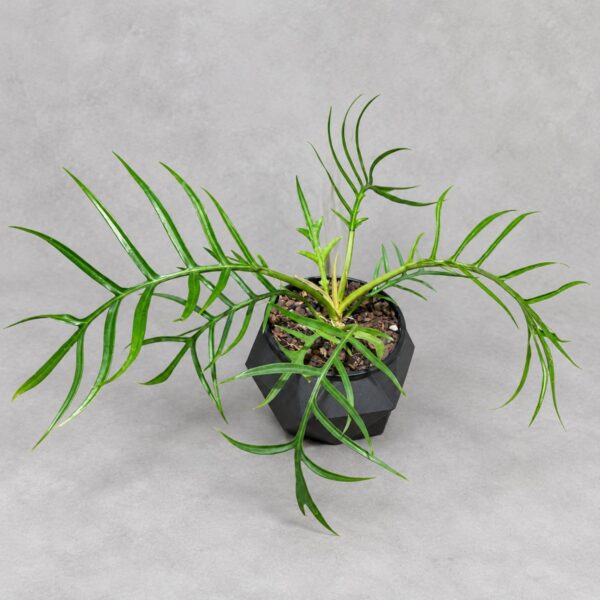
Philodendron 'Florida Ghost'
Philodendron 'Florida Ghost'
from HK$118.00
In stock · store pickup
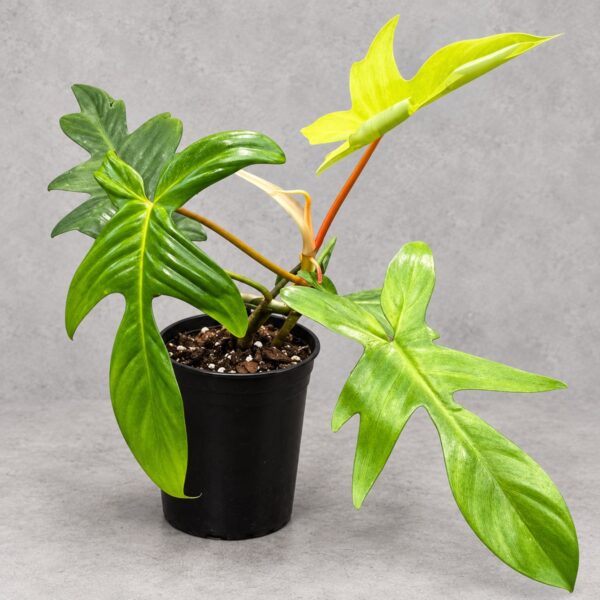
View plantPhilodendron hederaceum 'Lemon Lime'
Philodendron hederaceum 'Lemon Lime'
HK$198.00
In stock · store pickup
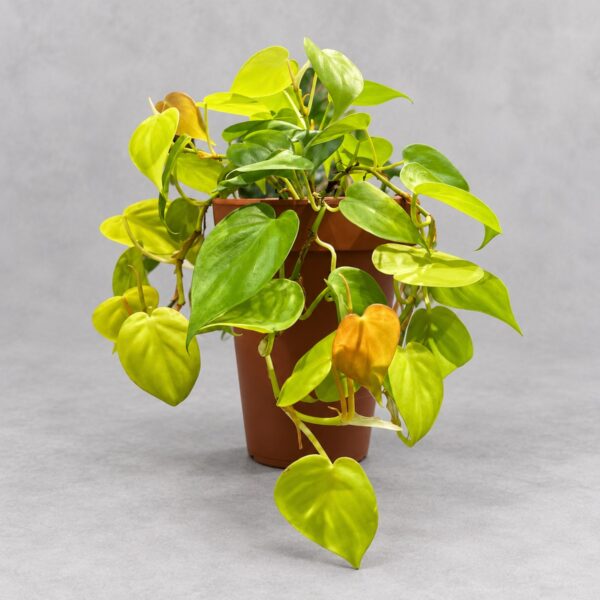
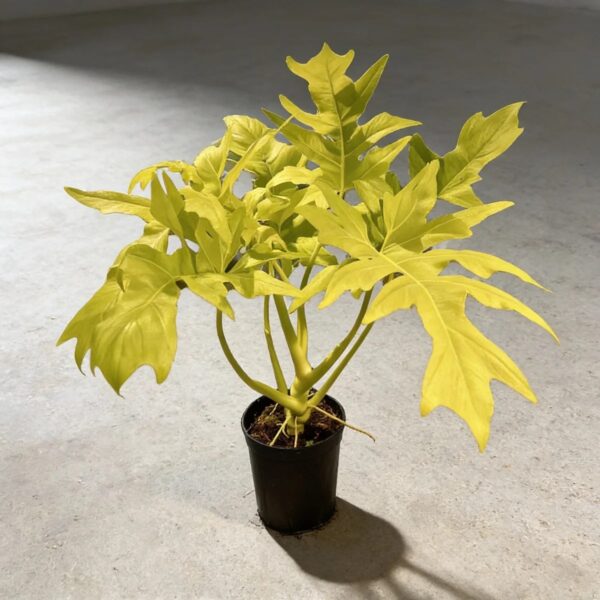
View plantPhilodendron warscewiczii 'Aurea Flavum'
Philodendron warscewiczii 'Aurea Flavum'
HK$298.00
In stock · store pickup
View plant
FREE PLANT ADVICE
Send us a photo before you change anything
WhatsApp a photo of the plant and your window light. Our Causeway Bay team will suggest care steps or plants that suit your space.
STORE · CAUSEWAY BAY
4/F, 39 Yiu Wa Street, Causeway Bay
Daily 12:30–8:00pm · ~3 min walk from Times Square
Map & directionsPlant Care