
How to Care for Philodendron 69686 in Hong Kong | Plantjai

Plantjai 植仔 · Care Encyclopedia
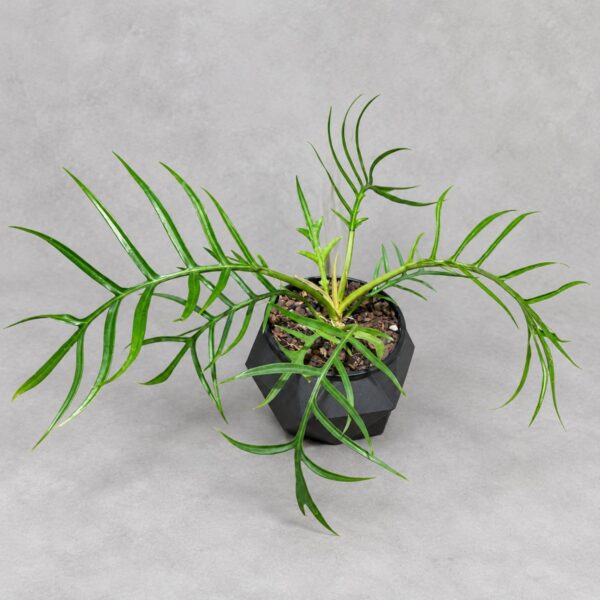
Philodendron 69686
Hong Kong care guide — useful before you buy and after it arrives.
Shop this plantA rare Philodendron hiding behind a mysterious code number — leaves transform from long-oval juveniles into split, mature forms, an advanced-level foliage treasure that collectors eagerly seek out.
Botanical name pending confirmation
Origin & characteristics
Philodendron 69686 is a rare Philodendron cultivar named after a breeding code number (botanical name pending confirmation), originating from a Southeast Asian tropical plant breeding programme. Its exact taxonomic status and parentage haven't been fully established, but it's generally considered to belong to a Philodendron lineage with the potential to develop split leaves, with characteristics falling somewhere between several native species — making it a highly collectible plant.
Characteristics:
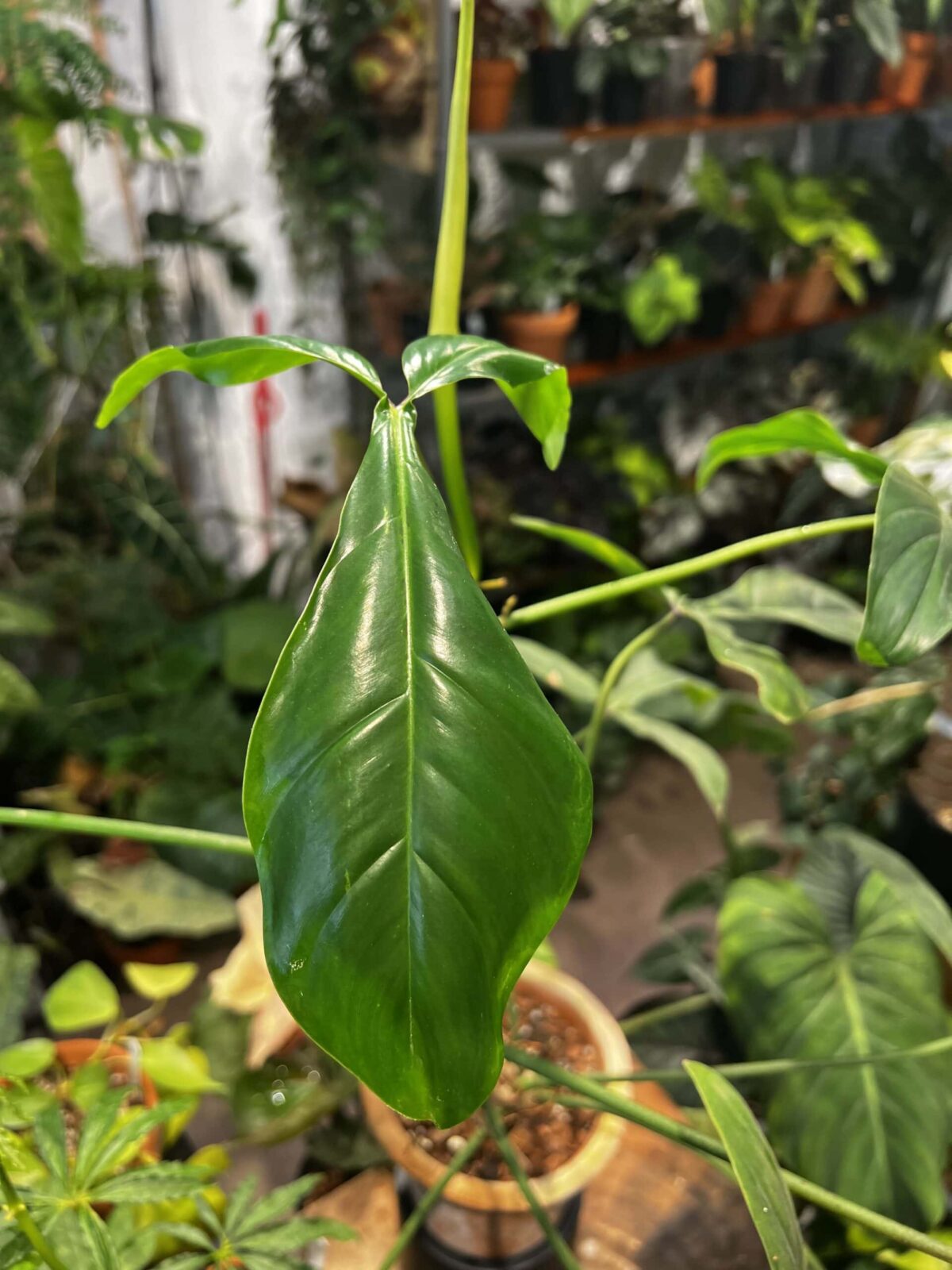
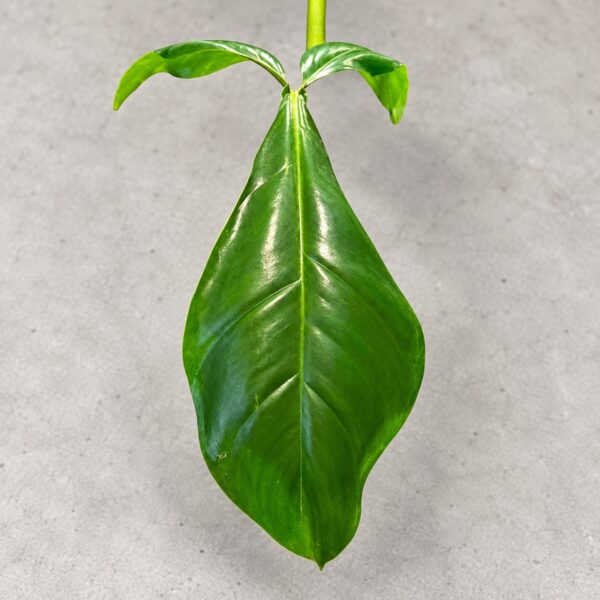
- Leaf features: juvenile leaves are long-oval to lance-shaped, deep green and glossy, with distinctly sunken veins; as the plant matures and climbs higher, leaves gradually develop shallow to deep splits — a transformation that's fascinating to watch
- Leaf texture: smooth and thick, with a tough, leathery sheen
- Petiole: sturdy and robust, usually deep green to slightly purplish-brown
- Growth habit: a climbing Philodendron with a strong upward-climbing instinct, requiring a sturdy support
- Growth rate: moderately slow, taking a long time to mature, but every stage of transformation is worth the wait
⚠️ Toxicity warning: all Philodendron species contain calcium oxalate crystals; ingestion causes mouth burning, drooling, and swelling, and is toxic to pets and children. Wash your hands after pruning, and avoid contact with eyes.
Light
- Ideal light level: bright indirect light, around 10,000-20,000 lux
- Best placement: near an east-facing window or a bright north-facing window; a south-facing window needs a sheer curtain, or position it 1-2 metres away
- Maturity boost: ample bright indirect light helps drive the plant toward maturity, promoting the development of split leaves
- Avoid: harsh midday direct sun will scorch the leaves; prolonged low light keeps leaves stuck in their juvenile form without developing splits
- Artificial light: a full-spectrum grow light can help, maintained for 10-12 hours daily
Watering
- Frequency: water once the top 2-3 cm of soil dries out, typically every 5-7 days (adjusted for season and environment)
- Method: water slowly around the rim until it drains from the base, waiting 10 minutes before emptying tray runoff
- Seasonal adjustment:
- Spring/summer growing season: water once the topsoil dries, maintaining consistent moisture
- Autumn/winter dormant period: extend until the soil is half dry, roughly every 10-14 days
- Water quality: room-temperature tap water is fine; if chlorine smell is strong, let it stand overnight first
- Avoid: standing water in the pot leads to root rot; prolonged dryness causes leaves to droop and go soft
Soil & pot
Soil recipe (key: highly breathable, fast-draining):
Use an aroid-specific soil mix, with the following recommended ratio:
- Orchid bark (coarse grade): 30%
- Coco coir/coco fibre: 25%
- Perlite or pumice: 25%
- Peat soil or sphagnum moss: 15%
- Horticultural charcoal: 5%
Pot choice:
- Essential: drainage holes at the base — drainage comes first
- Material: terracotta or cement pots are best (good breathability); plastic pots also work but require closer attention to watering frequency
- Size: prefer a slightly snug pot rather than an oversized one — just one size larger than the root ball
- Repotting timing: roughly every 1-2 years, in spring, sizing up by only one pot size each time
Support:
A sturdy sphagnum pole or a large coco coir pole is strongly recommended for climbing — climbing height directly affects leaf form development. The taller the support, the more impressive the mature split-leaf display.
Temperature & humidity
- Ideal temperature: 18-28°C, with 20-26°C being most comfortable
- Minimum tolerance: not below 15°C; prolonged cold stalls growth or causes cold damage
- Humidity requirement: 50-70% is ideal — higher humidity helps mimic native rainforest conditions
- Ways to increase humidity:
- Use a humidifier (the most stable and effective option)
- Group plants together to create a microclimate
- Place on a pebble tray filled with wet gravel (ensuring the pot base doesn't directly touch the water)
- Note: avoid placing near AC vents, heaters, or drafty doors and windows where temperature fluctuates dramatically
Common problems
| Symptom | Likely cause | What to do |
|---|---|---|
| Leaves staying in juvenile form, no splits developing | Plant not yet mature, insufficient climbing height, or insufficient light | Provide a sturdy, tall sphagnum pole, increase light, and be patient waiting for maturity |
| Leaves becoming smaller and duller | Usually insufficient light | Move to a brighter spot, or consider adding a grow light |
| Leaf edges or tips turning yellow | Possible overwatering leading to root rot, or the environment too dry | Check soil moisture and adjust watering frequency |
| Leaves drooping and going soft | Sign of underwatering | Water thoroughly promptly — usually recovers within 24 hours; check root health if it doesn't improve |
| New leaves unfurling incompletely or tearing | Humidity too low or inconsistent watering | Increase ambient humidity, ensure regular watering |
| Growth stalled | Possibly temperature too low, root-bound, or severely insufficient light | Check each factor individually and improve conditions |
| Pests | Watch for spider mites (common in dry conditions) or scale insects (cottony deposits on leaf undersides or petioles) | Spray with neem oil or soapy water when detected |
How to explain to customers
"Philodendron 69686 is a mysterious and rare Philodendron, named with a code number — the story behind that number is a secret of the breeding programme. What's most special about it is how the leaves change as the plant matures and climbs higher — starting off long and oval when young, and gradually developing splits as it climbs, a transformation that's really satisfying to watch. This is a plant that advanced collectors compete for, and with good care, the leaves will get bigger and more beautiful over time. Remember to give it a tall enough sphagnum pole to climb — the higher it climbs, the better the leaves look. It needs bright indirect light, avoiding direct sun. Water once the topsoil dries out, water thoroughly, and empty any standing water from the tray. Keep it warm in winter — below 15°C risks cold damage. All Philodendron species contain calcium oxalate, so keep it up high if you have pets or young children!"
Fun facts
- A mysterious code number: "69686" isn't a species name but an internal code from a Southeast Asian plant breeding facility. Similarly numbered rare Philodendrons exist as "siblings," forming a whole series of mysterious collectibles.
- A transformation process: the most captivating thing about 69686 is how its leaf form changes with maturity — from simple long-oval juvenile leaves to gradually developing splits or even deep splits, making the growing process full of surprise and anticipation.
- Sought after by collectors: due to its uncertain exact lineage and unique form transformation, 69686 generates significant discussion in the plant-collecting community, with each individual plant potentially showing slightly different characteristics.
- Climbing higher looks better: like most Philodendron species, 69686 undergoes a "metamorphosis" as it climbs — the higher it climbs and the closer the environment mimics its native rainforest, the more spectacular its mature leaves become.
Keywords
Philodendron, Philodendron 69686, numbered Philodendron, rare Philodendron, split-leaf Philodendron, climbing plant, Araceae, foliage plant, mature form transformation, sphagnum pole, bright indirect light, high humidity, tropical plant, advanced cultivar, collector's plant, botanical name pending confirmation
參考資料(想知來源可展開)
References
- Royal Botanic Gardens, Kew — Plants of the World Online: genus Philodendron, https://powo.science.kew.org/
- ASPCA — Toxic and Non-Toxic Plant List, https://www.aspca.org/pet-care/animal-poison-control/toxic-and-non-toxic-plants
⚠️ Contains calcium oxalate crystals; toxic to humans and pets if ingested. Keep out of reach of children and pets.
Plantjai · Causeway Bay collector indoor plants · WhatsApp +852 66807550
Plantjai shop · In stock online
Philodendron 69686
Original price was: HK$780.00.HK$160.00Current price is: HK$160.00.
Hong Kong delivery · Causeway Bay pickup
For Hong Kong homes and offices. Stock and pricing follow the product page.
IN STORE NOW
Plants for this guide
Related plants in stock now — live prices, delivery or Causeway Bay pickup.
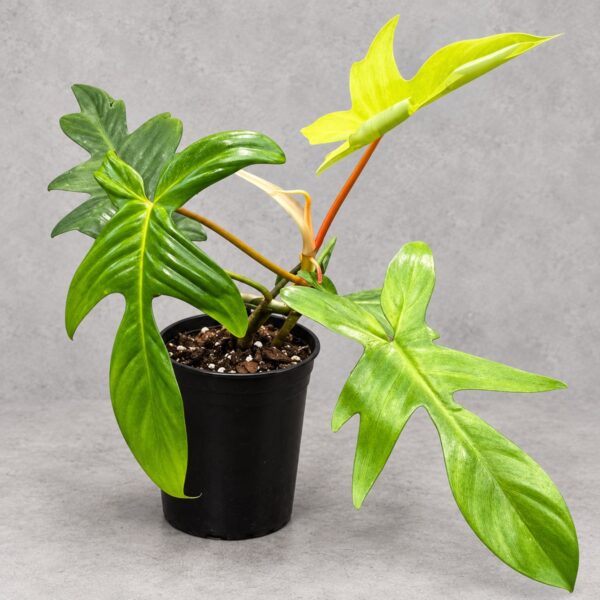
Philodendron 'Florida Ghost'
Philodendron 'Florida Ghost'
from HK$118.00
In stock · store pickup
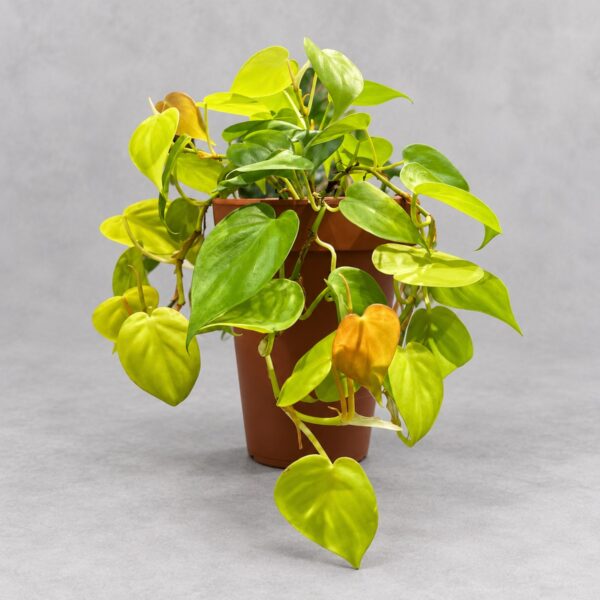
View plantPhilodendron hederaceum 'Lemon Lime'
Philodendron hederaceum 'Lemon Lime'
HK$198.00
In stock · store pickup
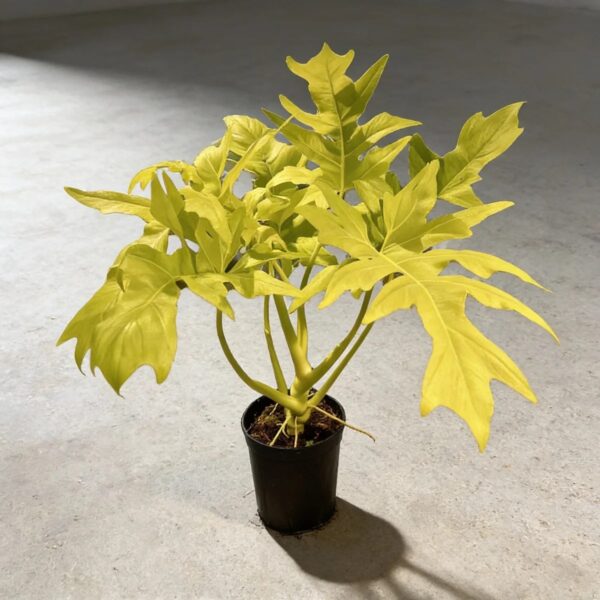
View plantPhilodendron warscewiczii 'Aurea Flavum'
Philodendron warscewiczii 'Aurea Flavum'
HK$298.00
In stock · store pickup
View plant
FREE PLANT ADVICE
Send us a photo before you change anything
WhatsApp a photo of the plant and your window light. Our Causeway Bay team will suggest care steps or plants that suit your space.
STORE · CAUSEWAY BAY
4/F, 39 Yiu Wa Street, Causeway Bay
Daily 12:30–8:00pm · ~3 min walk from Times Square
Map & directionsPlant Care