How to Care for Hoya Chelsea in Hong Kong | Plantjai

Plantjai 植仔 · Care Encyclopedia
Hoya Chelsea
Hong Kong care guide — useful before you buy and after it arrives.
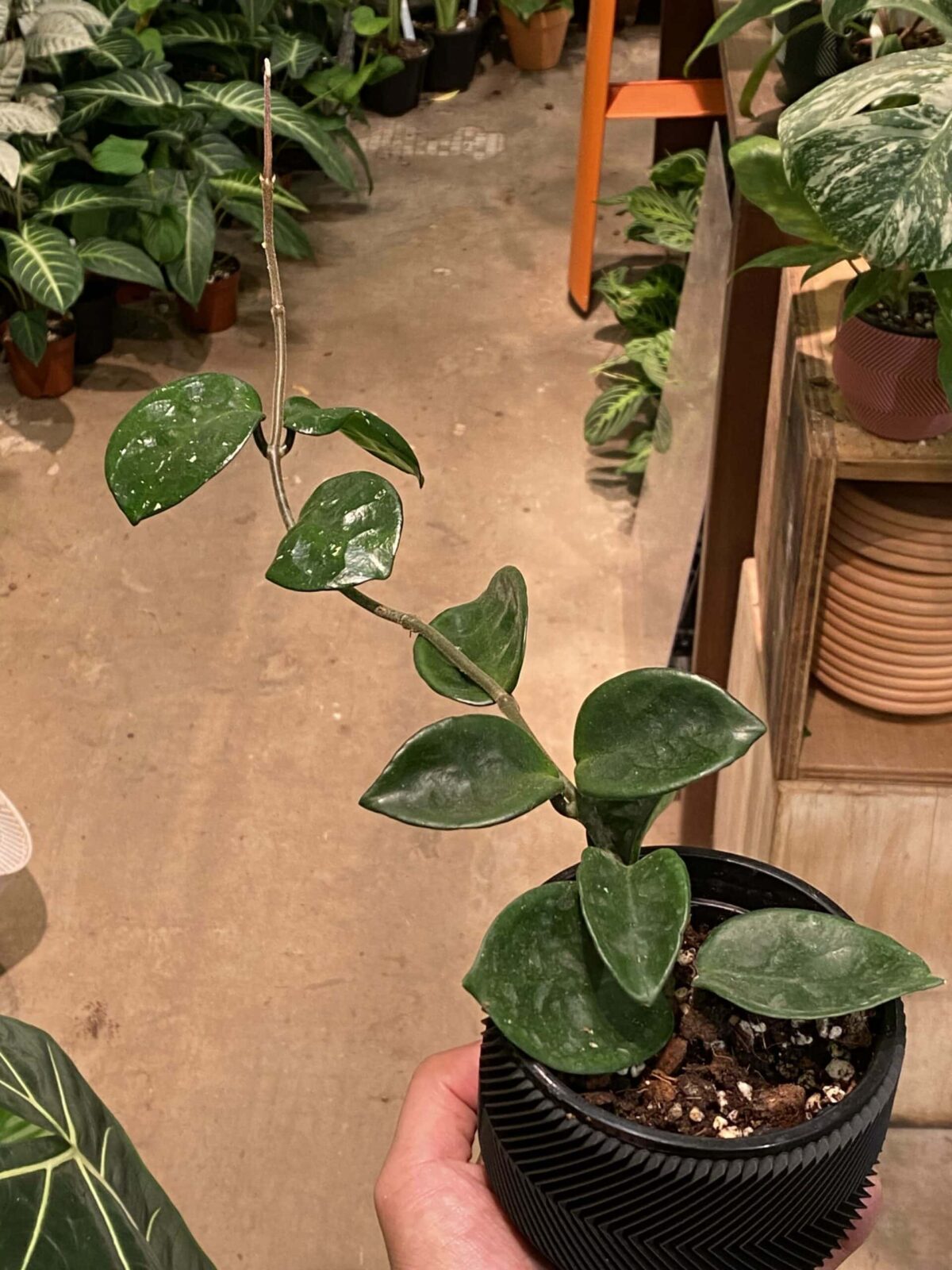
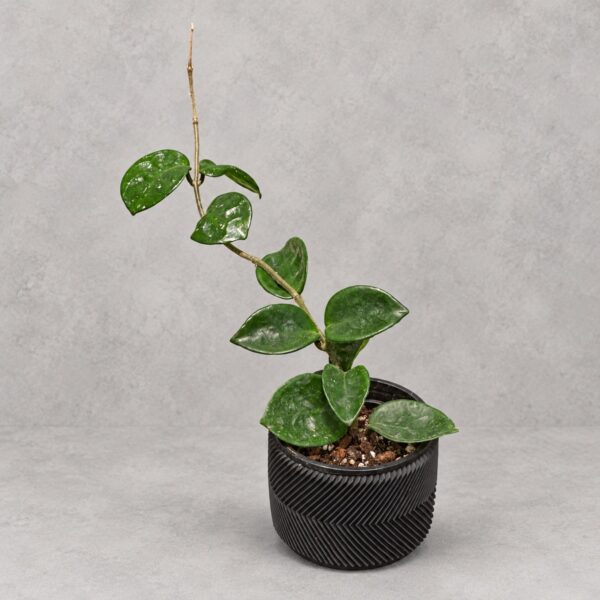
Shop this plantThick, heart-shaped leaves with subtle silver flecking, releasing a lovely fragrance when in bloom — a beginner-friendly Hoya that combines a cute look with lovely scent.
Brand: Plantjai
Origin & characteristics
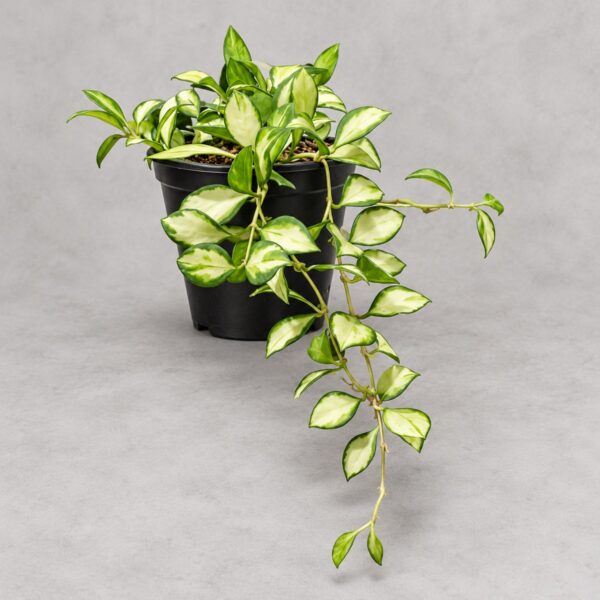
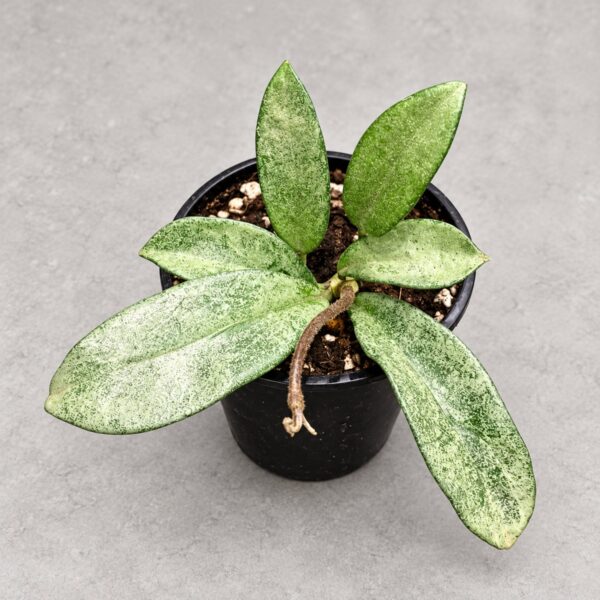
'Chelsea' belongs to the genus Hoya, a garden cultivar of Hoya carnosa, whose parent species is native to East Asia (China, eastern India) and eastern Australia. The Chelsea cultivar is known for its thick, heart-shaped, glossy waxy leaves, occasionally flecked with silver spots. The semi-succulent leaves store water effectively, giving it good drought tolerance. Flowers are star-shaped and waxy, ranging from pink to burgundy, with a pleasant fragrance. Growth is moderate, and it does well in a hanging pot or left to trail naturally. 'Chelsea' is non-toxic to pets, so households with cats and dogs can grow it worry-free.
Light
'Chelsea' needs bright indirect light, ideally placed near an east- or north-facing window. 6–8 hours of bright indirect light daily is ideal. It tolerates gentle morning direct sun, but strong midday and afternoon sun will scorch the leaves, especially the flecked areas. Insufficient light leads to sparse growth, slower development, and even a lack of flowers. If placed near a south-facing window, keep about 1 metre away, or use a sheer curtain to filter the light.
Watering
'Chelsea' is drought-tolerant and dislikes wet feet, following the "better dry than wet" principle. During the growing season (spring/summer), water once the top 5 cm of soil has dried out, roughly every 10–14 days; during dormancy (autumn/winter), this can extend to every 3–6 weeks. Use room-temperature water, watering thoroughly until excess drains fully from the base — never let water sit at the bottom. Slightly wrinkled leaves signal it's time to water. Rainwater or distilled water is ideal, as tap water with excess chlorine or fluoride can cause leaf-tip browning.
Soil & pot
Needs an extremely fast-draining, breathable mix. Suggested recipe (by proportion):
- 40% coarse orchid bark chunks
- 30% perlite or pumice
- 20% coco coir or sphagnum moss
- 10% horticultural charcoal
Avoid regular potting soil, as its high water retention easily leads to root rot. Pots must have drainage holes — plastic, glazed ceramic, or fabric pots all work. 'Chelsea' likes being slightly pot-bound, so frequent repotting isn't necessary — every 2–3 years is enough. The best time to repot is in spring when new growth begins.
Temperature & humidity
The ideal temperature range is 18–26°C, and it shouldn't drop below 10°C in winter, as lower temperatures risk cold damage. 'Chelsea' isn't fussy about humidity, adapting well to typical household levels (40–60%). To promote growth, aim for 50–60% humidity. Avoid placing it near AC or heater vents — a stable environment matters most.
Common problems
Q: Why are the leaves turning yellow?
A: The most common cause is overwatering or poor drainage causing root rot. Check for standing water at the base, and switch to a more free-draining mix if needed.
Q: Why won't it flower?
A: Usually due to insufficient light. Hoyas need ample bright indirect light to bloom. Also, mature plants (generally 2+ years old) flower more readily, and once it blooms, never cut off the peduncle (flower spur), since it will bloom again from the same spot next year.
Q: Why are there brown spots on the leaves?
A: Usually sunburn, indicating the leaves have been scorched by direct strong light. Move the plant to a spot with indirect light.
Q: Why are leaves suddenly dropping?
A: This could be due to cold drafts or a sudden temperature change. Make sure the plant is away from drafty doors and windows.
Q: How can I propagate it?
A: Stem cuttings work well. Select a healthy stem, cut a section with 2–3 nodes, let it air-dry for 12–24 hours, then place it in water or moist sphagnum moss — roots typically appear in 3–5 weeks.
How to explain to customers
"Chelsea is a great entry-level Hoya — the leaves are thick and adorable, and it flowers too! Just remember not to water too often, let the soil dry out fully before watering again, and keep it near a window with indirect light. It's completely safe for cats and dogs, so bring it home worry-free! After it flowers, please don't cut off the flower stalk, because it'll bloom again from the exact same spot every year!"
Fun facts
The name "Chelsea" is said to come from London's famous Chelsea Flower Show, a highlight of the gardening world. The Hoya genus has over 500 species and is nicknamed "wax flower" because the blooms have a waxy sheen, almost like artificial flowers — but they're the real deal, and wonderfully fragrant! Also, a Hoya's flower stalk (also called a "spur") is perennial — as long as you keep it intact, it will bloom from the same spot year after year, so never be tempted to cut it off.
Keywords
Hoya, Hoya Chelsea, Hoya carnosa Chelsea, beginner plant, indoor plant, hanging plant, climbing plant, fragrant flowers, pet safe, non-toxic plant, drought-tolerant plant, wax flower, heart-shaped leaves
參考資料(想知來源可展開)
References
- Royal Botanic Gardens, Kew — Plants of the World Online: Hoya carnosa, https://powo.science.kew.org/
- ASPCA — Toxic and Non-Toxic Plant List, https://www.aspca.org/pet-care/animal-poison-control/toxic-and-non-toxic-plants
⚠️ Non-toxic to cats and dogs; sap may cause mild skin irritation in sensitive individuals.
Plantjai · Causeway Bay collector indoor plants · WhatsApp +852 66807550
For Hong Kong homes and offices. Stock and pricing follow the product page.
IN STORE NOW
Plants for this guide
Related plants in stock now — live prices, delivery or Causeway Bay pickup.
FREE PLANT ADVICE
Send us a photo before you change anything
WhatsApp a photo of the plant and your window light. Our Causeway Bay team will suggest care steps or plants that suit your space.
STORE · CAUSEWAY BAY
4/F, 39 Yiu Wa Street, Causeway Bay
Daily 12:30–8:00pm · ~3 min walk from Times Square
Map & directionsPlant Care