How to Care for Anthurium Longistipitatum in Hong Kong | Plantjai


Plantjai 植仔 · Care Encyclopedia
Anthurium Longistipitatum
Anthurium longistipitatum 荷蘭豆花燭
Hong Kong care guide — useful before you buy and after it arrives.
Shop this plantLong, dangling leaves that genuinely look like a string of snow peas — elegant, charming, and a real conversation starter.
⚠️ Botanical name unconfirmed: The cultivar commonly sold as "Snow Pea Anthurium" may be Anthurium longistipitatum or a closely related species — we recommend confirming the exact provenance with your seller at time of purchase.
Origin & characteristics
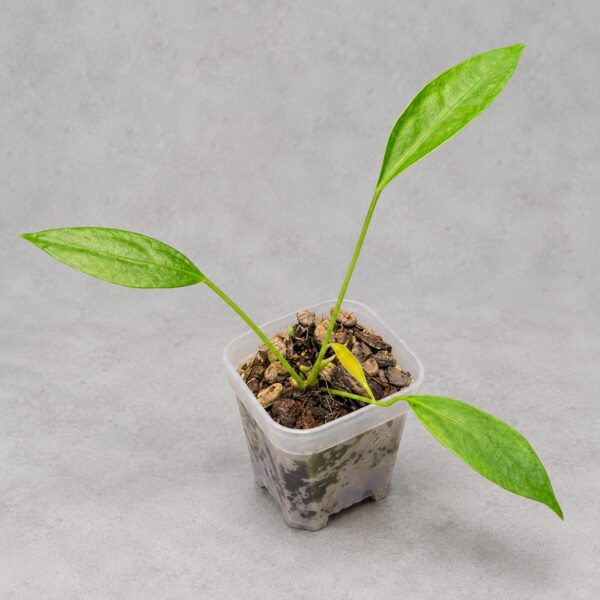
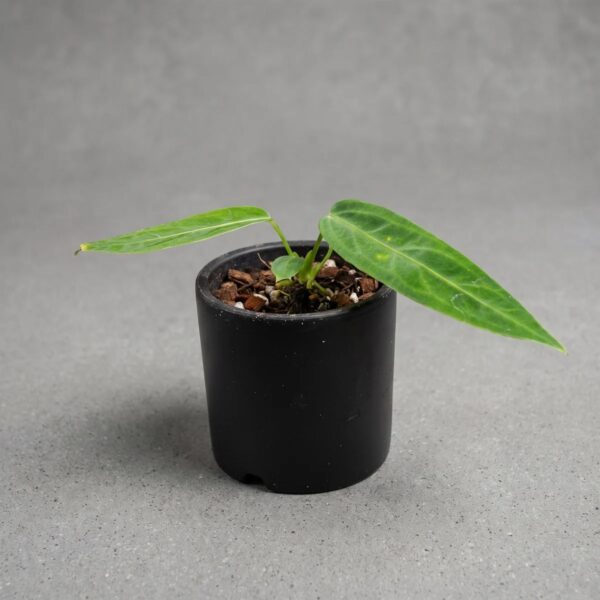
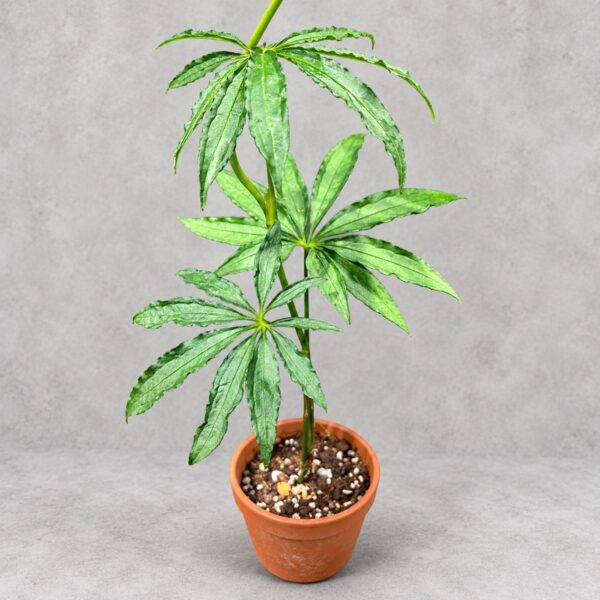
Snow Pea Anthurium's signature feature is its exceptionally long petiole and narrow, downward-hanging leaves — from a distance, it genuinely looks like a string of dangling snow peas. The leaf surface typically has a velvety texture with dark venation, and the overall slender, elegant form sets it apart from the typical outward-spreading Anthurium shape. This pendant growth habit makes it especially well suited to a high shelf or hanging display, where its leaves can cascade naturally and create a lush rainforest atmosphere.
Light
- Ideal light: medium-to-bright diffused light, roughly 10,000–18,000 lux
- Placement: near an east- or north-facing window; a south-facing spot filtered by a curtain also works
- Avoid: strong direct sunlight, especially during summer midday hours
- Tip: insufficient light causes the petiole to grow even longer and weaker, making it more prone to collapsing — moderate light helps keep the plant looking upright and sturdy
Watering
- Frequency: water once the top 2–3 cm of soil has dried, roughly every 7–10 days
- Method: pour slowly along the pot's edge until water flows from the base, empty the saucer after 30 minutes
- Water quality: room-temperature settled water is best
- Seasonal adjustment: keep the medium lightly moist during spring/summer growth, let it dry out a bit more in autumn/winter
- Note: hanging leaves accumulate dust easily — wipe them gently with a damp cloth periodically
Soil & pot
- Medium recipe: a well-draining, aerated orchid mix — pine bark (medium grade) + perlite + sphagnum moss, roughly 5:3:2
- pH: 5.5–6.5, slightly acidic
- Pot recommendation: a pot with some weight, such as ceramic, helps keep the plant stable and prevents tipping; drainage holes at the base are essential
- Repotting: check roots each spring, sizing up once the pot is root-bound
- Special tip: since the leaves hang downward, use a slightly heavier pot or place it on a stable, elevated surface
Temperature & humidity
- Ideal temperature: 18–27°C
- Minimum temperature: don't let it drop below 15°C
- Humidity: 60%–80% is ideal
- Humidification methods: a pebble tray, humidifier, or grouping plants together
- Note: high humidity must be paired with good ventilation to avoid stuffy conditions
Common problems
| Issue | Likely cause | What to do |
|---|---|---|
| Petiole growing longer and weaker | Insufficient light | Move to a brighter spot |
| Yellowing leaf tips | Overwatering / humidity too low | Adjust watering frequency, raise humidity |
| Leaves hanging too low | Normal growth habit / weak light | Ensure adequate light, or display on a high shelf to show off the cascade |
| Dust on leaf surface | Environmental dust | Wipe gently with a damp cloth periodically |
| Stalled growth | Temperature too low / root problems | Check temperature and root health |
How to explain to customers
"This Snow Pea Anthurium is so charming — its leaves hang down just like a string of snow peas! Display it on a shelf or a tall cabinet where the leaves can cascade naturally — that's when it looks its best. Just remember not to keep it somewhere too dark, or the stems will keep stretching and get too weak to hold themselves up."
Fun facts
Pendant-growing Anthurium species in their native habitat typically grow lower down in the rainforest, and their long, drooping leaves are actually an adaptation — they help the plant avoid heavy rain dripping down from the canopy above, while maximising the capture of diffused light.
Keywords
Snow Pea Anthurium, pendant Anthurium, long-petiole Anthurium, velvet leaf, foliage plant, tropical rainforest plant, hanging plant, indoor plant, Anthurium cultivar, Anthurium
參考資料(想知來源可展開)
References
- International Aroid Society — Anthurium species database. https://www.aroid.org
- Royal Horticultural Society (RHS) — How to grow anthuriums. https://www.rhs.org.uk/plants/anthuriums/how-to-grow-anthuriums
- Missouri Botanical Garden — Anthurium genus overview. https://www.missouribotanicalgarden.org
⚠️ Pet / toxicity note: Anthuriums contain calcium oxalate crystals, toxic to pets and children. Ingestion may cause oral pain, drooling, and vomiting. Keep out of reach of pets and small children. If accidental ingestion occurs, rinse the mouth immediately and seek medical advice.
In-depth care guide
Introduction
Snow Pea Anthurium is a horticultural nickname for a strap-leaf, pendant-growing Anthurium cultivar, likely Anthurium longistipitatum or a very closely related species — hence the "botanical name unconfirmed" note. What sets this plant apart from the vast majority of Anthuriums, which grow with leaves spreading outward and upward, is its distinctively long petiole and narrow, elongated leaf blade that hangs downward under its own weight, creating a cascading effect reminiscent of a string of pea pods. This growth habit places it among the "pendant" or "strap-leaf" Anthurium types, a category that includes some of the genus's most visually distinctive members.
In collector circles, pendant Anthuriums are prized precisely because they break from the typical rosette form seen in most houseplants, offering a completely different display option — best appreciated from below or at eye level, with the leaves cascading down from a raised pot or hanging basket. As the plant matures and produces more leaves, the visual effect becomes increasingly dramatic, with multiple long leaves overlapping in a curtain-like display.
Physical characteristics
The leaf blade itself is narrow and elongated, typically with a velvety texture and darker venation running along its length, though exact texture and colour can vary depending on the specific clone in circulation. The petiole is disproportionately long compared to the leaf blade — often several times the length of the blade itself — which is what gives the plant its characteristic drooping silhouette. As new leaves emerge, they typically point upward before gradually softening and bending downward as they mature and gain weight, eventually settling into the cascading form the plant is known for.
Light requirements
This plant does best with medium-to-bright diffused light, roughly in the 10,000–18,000 lux range. An east- or north-facing window works well, or a south-facing spot filtered through a curtain. Because the elongated petiole is already a structural feature of this plant, insufficient light exaggerates this trait further — petioles grow even longer and weaker as the plant stretches toward available light, eventually becoming too fragile to support the leaf's weight and causing the whole plant to look floppy and unkempt rather than elegantly cascading. Moderate, consistent light helps the plant maintain a firmer, more attractive form.
Watering technique
Water once the top 2–3 cm of soil has dried, roughly every 7–10 days depending on the season, watering thoroughly and letting excess drain from the pot's base. Since this plant's leaves hang low and can collect dust readily in a typical Hong Kong home, take the opportunity during watering sessions to also gently wipe the leaf surfaces with a soft, damp cloth — this both keeps them looking their best and supports better photosynthesis.
Soil and potting
A well-draining, aerated orchid mix works well: medium-grade pine bark, perlite, and sphagnum moss in roughly a 5:3:2 ratio, giving a pH of 5.5–6.5. Because the plant's weight is distributed downward through its cascading leaves, a heavier ceramic pot helps keep the whole arrangement stable and prevents tipping, especially as the plant matures and produces more foliage. Repot roughly once a year in spring, checking root health and sizing up only modestly.
Temperature and humidity
The comfortable temperature range is 18–27°C, and the plant shouldn't be exposed to sustained temperatures below 15°C. Humidity should ideally sit between 60% and 80%; a pebble tray, humidifier, or grouping with other tropical plants all help raise ambient humidity, but always ensure good ventilation alongside high humidity to prevent fungal issues from taking hold.
Common problems
Overly long, weak petioles: almost always a light issue — move the plant to a brighter (but still indirect) location.
Yellowing leaf tips: check first for overwatering, then for humidity that's too low.
Leaves hanging very low: this can simply be the plant's natural growth habit expressing itself well, especially if displayed on a high shelf where the cascade is the whole point — but if combined with weak, thin petioles, it may indicate insufficient light rather than healthy natural growth.
Dusty leaf surfaces: a simple environmental issue solved with regular gentle wiping.
Stalled growth: check ambient temperature first, then inspect the root system for signs of rot or overcrowding.
Toxicity information
Like all Anthurium species, Snow Pea Anthurium contains calcium oxalate crystals throughout the plant, toxic to both humans and pets. Ingestion causes oral pain, drooling, and vomiting. Keep the plant out of reach of children and pets, and wear gloves when pruning or repotting to avoid skin irritation from the sap.
References
- International Aroid Society. Anthurium species database. https://www.aroid.org
- Royal Horticultural Society (RHS). How to grow anthuriums. https://www.rhs.org.uk/plants/anthuriums/how-to-grow-anthuriums
- Missouri Botanical Garden. Anthurium genus overview. https://www.missouribotanicalgarden.org
- Proven Winners. Caring for Anthurium Plants Indoors. https://www.provenwinners.com/learn/houseplants/anthurium
Plantjai shop · In stock online
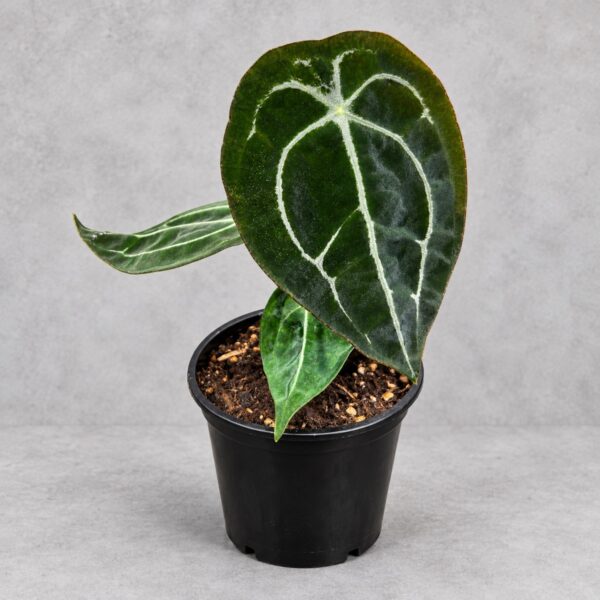
Anthurium longistipitatum
Anthurium longistipitatum
Original price was: HK$118.00.HK$88.00Current price is: HK$88.00.
Hong Kong delivery · Causeway Bay pickup
For Hong Kong homes and offices. Stock and pricing follow the product page.
IN STORE NOW
Plants for this guide
Related plants in stock now — live prices, delivery or Causeway Bay pickup.
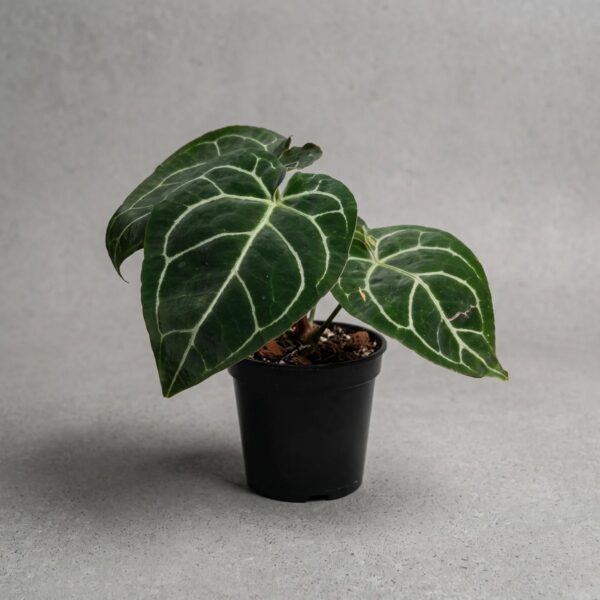
Anthurium crystallinum
Anthurium crystallinum
Original price was: HK$780.00.HK$380.00Current price is: HK$380.00.
In stock · store pickup
View plant
FREE PLANT ADVICE
Send us a photo before you change anything
WhatsApp a photo of the plant and your window light. Our Causeway Bay team will suggest care steps or plants that suit your space.
STORE · CAUSEWAY BAY
4/F, 39 Yiu Wa Street, Causeway Bay
Daily 12:30–8:00pm · ~3 min walk from Times Square
Map & directionsPlant Care