

International Plant Trade Market Overview: Thailand, Indonesia, and the West


Introduction
Welcome back to the Specimen Archive. Last session we discussed building personal collections; today I’m broadening our view — way beyond borders, to explore how plants travel from rainforests on one side of the planet to the corner of your living room.
The international plant market is a complex web touching agriculture, trade, quarantine, and ethics. As an ambitious collector, understanding how this market operates not only helps you make smarter purchasing decisions but also deepens your respect for every plant in your care — you begin to appreciate the long journey each one took to reach you.
Let’s unfold this world map and begin our tour in Southeast Asia.
Thailand: Southeast Asia’s Foliage Plant Export Engine
If you’ve purchased any imported plants in recent years, there’s a good chance they came from Thailand. The country firmly holds the crown as Southeast Asia’s top foliage plant exporter, and the reasons are straightforward: ideal climate, mature supply chains, relatively low labor costs, plus government support for agricultural exports.
Incredible Variety, Accessible Prices
Thailand’s plant market impresses most with its sheer diversity. From common variegated Monsteras to various rare Philodendron species, Thai nurseries offer nearly everything a collector could want. Thanks to an advanced tissue culture industry, many once-astronomically-priced varieties have become affordable after mass propagation.
Mixed Quality Requires a Discerning Eye
But the Thai market isn’t without problems. Inconsistent quality is the most common complaint — some nurseries are genuinely professional with healthy plants and careful packaging, while others prioritize speed over quality control. As a buyer, you need time to build a reliable supplier list, or purchase through trusted intermediaries (like local shops such as Plantjai) to reduce risk.
Logistics and Quarantine
Shipping plants from Thailand to Hong Kong involves relatively short transit times (typically two to four days), which is good news for plant survival rates. Still, Hong Kong’s plant import quarantine regulations must be followed to ensure plants carry no pests or pathogens.
Indonesia: Origin Charms and Ethical Controversies
Indonesia is the native home of many beloved foliage plants — Sumatra’s rainforests harbor countless Araceae treasures, while Java’s mountains are the birthplace of numerous Philodendron species. Importing from Indonesia is, in a sense, “bringing them home.”
Origin Advantage and Unique Species
Indonesia’s biggest draw is location-specific unique varieties. Sumatran Philodendron species, for instance, often display subtle differences in leaf shape and texture compared to their relatives from other regions. For plant trade collectors pursuing true species, Indonesia is a treasure trove.
The Ethics of Wild Collection
But a heavy topic must be addressed here. A significant portion of Indonesia’s “rare species” market actually comes from wild collection — plants dug directly from rainforests. The ecological damage is obvious: many plants grow excruciatingly slowly, and wild populations may take decades to recover from over-collection.
Furthermore, wild collection often involves community exploitation. Foreign buyers purchase from locals at rock-bottom prices, then resell at massive markups on international markets — the profit distribution is profoundly unfair.
As a responsible collector, I recommend prioritizing artificially propagated specimens and asking sellers about plant origins. If a seller cannot clearly state whether a plant is nursery-propagated or wild-collected, proceed with caution.
Featured Species from Sumatra and Java
Sumatra is famous for its lush tropical rainforests, producing many humidity-loving beauties like various Amydrium and Rhaphidophora species. Java’s dramatic elevation changes yield equally astonishing diversity, from lowland rainforest to highland cloud forests, each zone holding different treasures.
Western Markets: Commercialization Meets Collector Culture
The Netherlands: Scaled Commercial Production
The Netherlands is a giant in global foliage plant commercial production. The country’s greenhouse technology and logistics systems are world-class, enabling remarkably efficient mass production of standardized plants. Walk into any major European garden center chain, and the vast majority of plants originate from Dutch nurseries.
The Dutch model’s strengths are stable quality, reliable supply, and reasonable prices. The weakness is relative conservatism in variety — commercial nurseries tend to produce market-proven bestsellers rather than invest in niche or emerging cultivars.
The United States: High-Priced Collector Culture
The US foliage plant market carries strong “collector culture” vibes. From Florida plant shows to California rare plant auctions, American collectors are willing to pay astonishing prices for top-tier specimens. Some variegated cultivars fetch multiples of their Asian market prices in the US.
This high-price culture has two sides. On one hand, it drives new variety discovery and conservation — when economic incentives exist, more people invest resources in finding and propagating rare plants. On the other, it fuels speculation, pushing some cultivar prices beyond reason.
European Plant Shows and Auctions
European plant shows (such as Germany’s IPM Essen, Belgium’s Plantarium) serve as important barometers for the international plant market. These exhibitions are both commercial trading floors and debut stages for new varieties. Auctions form another unique ecosystem — at Dutch flower auctions like Aalsmeer, plants change hands in milliseconds, creating spectacular scenes.
Hong Kong: A Critical Node in Asian Plant Trade
After surveying so many international markets, let’s examine our own home — Hong Kong’s role in this landscape.
Geographic Advantage as a Re-Export Hub
Hong Kong has long been a key Asian trade re-export hub, and this extends to the plant trade. Many plants from Thailand and Indonesia pass through Hong Kong en route to mainland China and other Asian destinations. Our robust logistics infrastructure and relatively transparent business environment make Hong Kong an important bridge connecting Southeast Asian producers with East Asian consumers.
Connecting Southeast Asia with China’s Market
Mainland China’s foliage plant market has boomed in recent years, with growing demand for premium varieties. Hong Kong’s linguistic, cultural, and institutional advantages make it the first stop for many Southeast Asian nurseries entering the Chinese market. This means we Hong Kong residents are uniquely positioned — we can access emerging varieties earlier than consumers in many other regions.
Vibrant Local Market
Hong Kong’s local foliage plant market has been quite active in recent years. From traditional flower markets to emerging online plant shops, from plant fairs to private exchanges among collectors, channels for Hong Kong plant import are increasingly diverse. This is good news for consumers — more choices, more transparent pricing, and fiercer quality competition.
Buying Imported Plants: Practical Tips
For our final lesson today, some practical tips on imported plant purchasing:
Understand Quarantine Regulations
Every country/region has its own plant import quarantine requirements. In Hong Kong, imported plants must comply with Agriculture, Fisheries and Conservation Department regulations; certain species may require permits or quarantine certificates. Never attempt to smuggle plants across borders — you risk fines and could cause irreversible damage to local ecosystems.
Assess Transport Risks
International shipping is a major stressor for plants. Extended periods in dark, temperature-fluctuating environments often cause yellowing leaves or root rot. Choosing experienced sellers (who know proper packaging) and reliable logistics services is crucial. Summer heat and winter cold are high-risk shipping periods — avoid them when possible.
Quality Verification and After-Sales Support
When buying plants from overseas, always demand clear actual photos (not stock images) and confirm return/refund policies. Plants are living things, and shipping damage happens. A responsible seller should have reasonable mechanisms for handling issues.
Conclusion
The world of international plant trade is both fascinating and complex. Every plant that reaches you from afar connects countless people’s labor and stories — from the forest collector (hopefully a responsible one), to the nursery propagation specialist, to the packaging and logistics crew, to your trusted local plant shop owner.
Understanding this supply chain makes you a more conscious collector. You’re not just buying a plant; you’re participating in a globalized network, and your choices influence where this industry heads.
If you’d like to learn more about the international plant market or are interested in acquiring quality foliage plants from around the world, visit [plantjai.com](https://plantjai.com) to browse our curated selection. Our shop at 4/F, Nan Hing Place, 39 Yiu Wa Street, Causeway Bay also carries specimens from multiple countries waiting for your personal inspection — each with its own story, and I’d be delighted to share them with you.
IN STORE NOW
Plants for this guide
Related plants in stock now — live prices, delivery or Causeway Bay pickup.
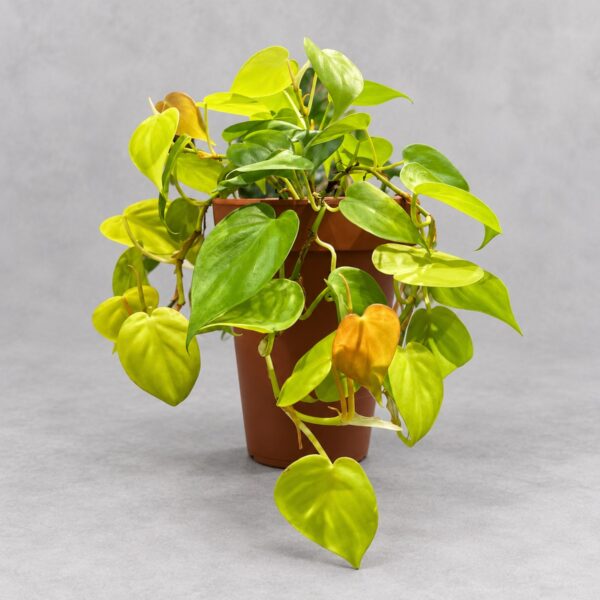
Philodendron hederaceum 'Lemon Lime'
Philodendron hederaceum 'Lemon Lime'
HK$198.00
In stock · store pickup
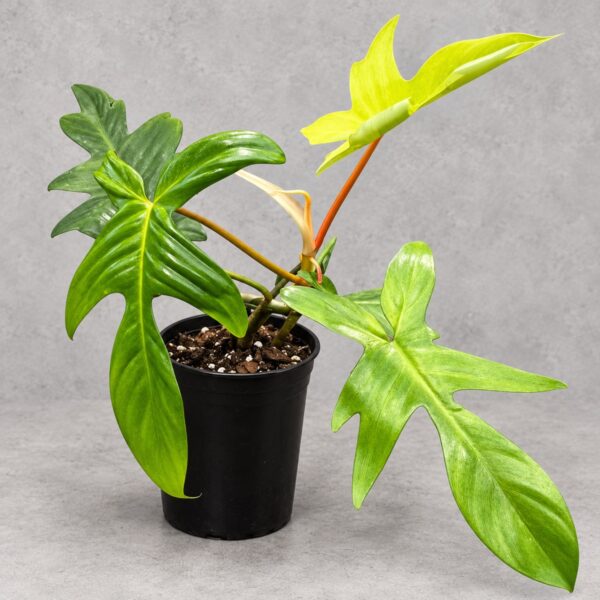
View plantPhilodendron 'Florida Ghost'
Philodendron 'Florida Ghost'
from HK$118.00
In stock · store pickup
View plant
FREE PLANT ADVICE
Send us a photo before you change anything
WhatsApp a photo of the plant and your window light. Our Causeway Bay team will suggest care steps or plants that suit your space.
STORE · CAUSEWAY BAY
4/F, 39 Yiu Wa Street, Causeway Bay
Daily 12:30–8:00pm · ~3 min walk from Times Square
Map & directions