

From Plant Parent to Collector: Building a Meaningful Foliage Plant Collection

Introduction
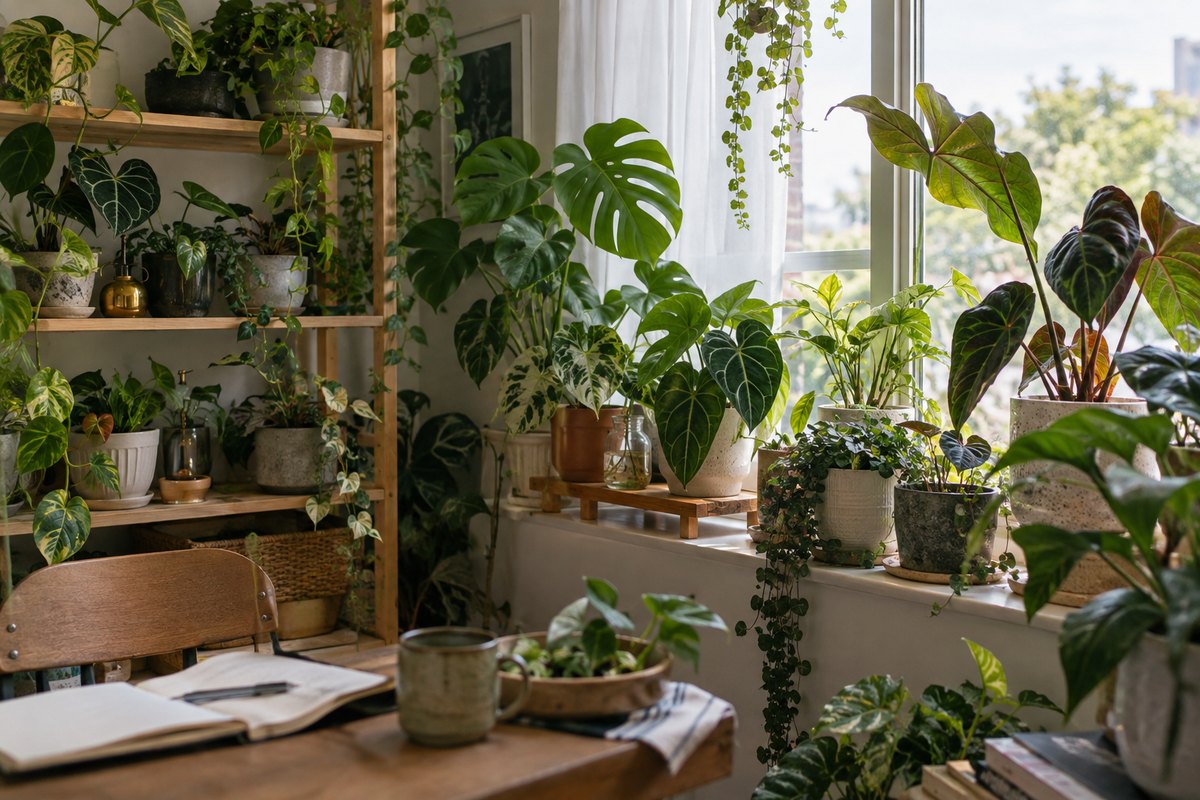
Welcome back to the Specimen Archive. This is the opening chapter of our Advanced Collector’s Journey series — if you’ve been following along from the beginning, moving through basic care to advanced techniques, from cultivar introductions to interior styling, then by now you’ve accumulated hands-on experience, and your windowsills are likely crowded with green companions you’ve nurtured yourself.
It’s time to ask yourself a question: what kind of plant enthusiast do I want to become?
Foliage plant collection goes far beyond endless buying. It is a form of cultural accumulation — a deepening connection between you and the plant world. In today’s lesson, I want to talk about transforming from a “player” into a “collector” — not because of how much money you spend, but because of the discernment and vision you develop.
The Essence of Collecting: More Than Consumption, a Dialogue
Many people hear “plant collection” and immediately picture expensive variegated Monsteras or rare Alocasias, assuming collecting is about trading money for status. This understanding is far too superficial.
True collecting is an ongoing dialogue between you and your plants that spans years. Every specimen carries memories from a particular chapter of your life — perhaps your first successful cutting propagation, a treasure you carried back from a distant nursery, or the old friend that sat beside you through difficult times. The value of a collection isn’t found on a price tag; it’s in the stories and meaning you invest in each plant.
That said, collectors absolutely do pay attention to market value. Understanding the market is a required course for any serious collector. But market value is merely one reference point among many, never the sole criterion.
Five Stages of Building a Collection
From my observations, nearly every plant collector passes through these five stages. Which one are you in right now?
Stage One: Exploration — Broad Experimentation, Finding Your Interests
At this stage, you’re like a child who just walked into a candy store. Araceae, Marantaceae, Begoniaceae, Cactaceae — you want to try everything. You’ll buy plants that later prove unsuited to your environment, and you’ll pay “tuition fees” through care mistakes. This is completely normal, even necessary.
Recommendation: The focus here isn’t on buying expensive plants, but on buying diverse ones. Try different families and genera with varying care requirements, and observe how they perform in your home. Start keeping records — which plants give you the most satisfaction? Which leaf textures draw you in? These clues will guide you to the next stage.
Stage Two: Focus — Discovering What You Truly Love
After some trial and error, preferences emerge. Some fall in love with the dramatic leaf shapes and bold visual impact of Alocasia, others become obsessed with the elegant climbing habits of Philodendron, and some can’t resist the dizzying diversity within Begonia.
Recommendation: This is the time to “clear out” plants that no longer excite you, freeing up space and attention for the ones you truly love. Don’t fear simplification — the finest plant collectors all understand the art of subtraction.
Stage Three: Refinement — Pursuing Quality and Rarity
Once you’ve settled on a direction, you’ll naturally begin pursuing higher-quality specimens. Take Monstera deliciosa ‘Albo Borsigiana’ as an example — you start caring about whether the variegation is evenly distributed, whether leaf size and shape meet standards, whether the plant is vigorous and healthy. At this stage, you also enter the world of rare plant collection — uncommon species, newly discovered cultivars, or variant individuals from specific localities.
Recommendation: This is the most expensive stage in terms of “tuition,” but also where you progress fastest. Attend plant swaps and meetups, connect with veteran collectors, and learn from their experience in judging quality.
Stage Four: Collection — Systematic Expansion and Management
By now, you’re no longer making impulse purchases. You set directions and goals for your collection, deliberately seek out varieties that fill gaps, and establish systematic management. Your collection begins to show “personality” — others can tell whose plant wall this is at a glance.
Recommendation: Establish a record-keeping system (more on this below), regularly review your collection’s status, set an annual collection budget, and start exploring propagation and sharing possibilities.
Stage Five: Legacy — Sharing, Spreading, Leaving a Mark
This is the highest level of collecting. You begin sharing your knowledge and plants — perhaps through a social media account documenting your collection stories, giving away propagated extras to beginners, or participating in plant conservation and education. Your collection becomes more than private joy; it becomes a force that advances plant culture.
Four Considerations for Choosing Your Collection Direction
When determining your collecting direction, honestly face these four questions:
Financial Reality: Set a Reasonable Budget
Foliage plant collection can be an accessible hobby or a wildly expensive investment. A common pothos costs a few dozen Hong Kong dollars; a top-tier variegated Monstera can reach tens of thousands or more. Honestly assess your financial situation, set an annual collection budget, and never use “investment” as an excuse for overspending.
I must be candid: plant investment carries enormous risk. Price fluctuations are dramatic — today’s sky-high cultivar may crash tomorrow once tissue culture mass production kicks in. Buy what you genuinely love, not what you think will appreciate.
Space Constraints: Your Home Isn’t Infinite
Space in Hong Kong is precious, a reality we all face. Before your collection hits critical mass, plan for placement space, light conditions, and humidity management. Otherwise, collecting quickly becomes a disaster.
Skill Level: Acknowledge Your Limitations
Some cultivars are breathtakingly beautiful but demandingly finicky. If you cannot provide a high-humidity environment, don’t force yourself to collect rainforest species that require tropical conditions. Collecting should bring joy, not endless anxiety.
Personal Preference: What Do You Truly Like?
This is the most important and most overlooked question. Don’t blindly follow trends — the most popular cultivars on social media may not be what you genuinely love. Take a moment to reflect: what kind of leaves make you look again and again? What growth habits bring you peace and joy? Your collection should reflect you, not others’ expectations.
Collection Management: Keeping Your Archive Organized
When your collection exceeds twenty plants, management becomes critical. Here are my recommended methods:
Establish a Record System
The simplest approach is a notebook or spreadsheet recording each plant’s name (including scientific name), purchase date and source, price, and condition at acquisition. More advanced collectors might use dedicated plant management apps or build their own digital database.
Photo Documentation
Take an “ID photo” of each plant when it arrives, then update every few months. This isn’t just a beautiful visual record — it’s an essential tool for tracking health. When something seems off, looking back at photos from months prior often reveals clues.
Track Growth Data
For advanced collectors, recording leaf count, leaf length, and new leaf emergence cycles helps you understand each plant’s habits more precisely, and provides valuable reference points when exchanging knowledge with fellow collectors.
Collecting vs. Investing: That Delicate Line
I need to spend some time on this sensitive topic. In recent years, Hong Kong plant collection circles have seen a growing trend of treating high-value plants as investment vehicles. Some collectors have indeed profited handsomely from early purchases of certain cultivars. But this should never be your primary motivation for entering this world.
Plants are living beings, not stock tickers. They get sick, they die, they wither from neglect. Treating plants purely as investment instruments is unfair to them and often leads to disappointment — because market fluctuations are far more dramatic than you imagine.
My advice: focus on building a collection you’re proud of, and let any financial returns (if they come) be a pleasant surprise rather than a pursued goal.
Conclusion
The path from player to collector has no shortcuts and no standard answers. Some traverse all five stages in three years; others happily explore for a decade. Speed doesn’t matter — what matters is finding your own rhythm and meaning along the way.
The doors of the Specimen Archive are always open to those who love plants. If you want to see what a systematic foliage plant collection looks like in person, visit us at 4/F, Nan Hing Place, 39 Yiu Wa Street, Causeway Bay. Hundreds of species, over ten thousand plants — each one a carefully chosen specimen that might inspire your own collecting journey.
Or browse [plantjai.com](https://plantjai.com) first, explore our online plant archive and collection guides. Your collecting journey can start right here.
IN STORE NOW
Plants for this guide
Related plants in stock now — live prices, delivery or Causeway Bay pickup.
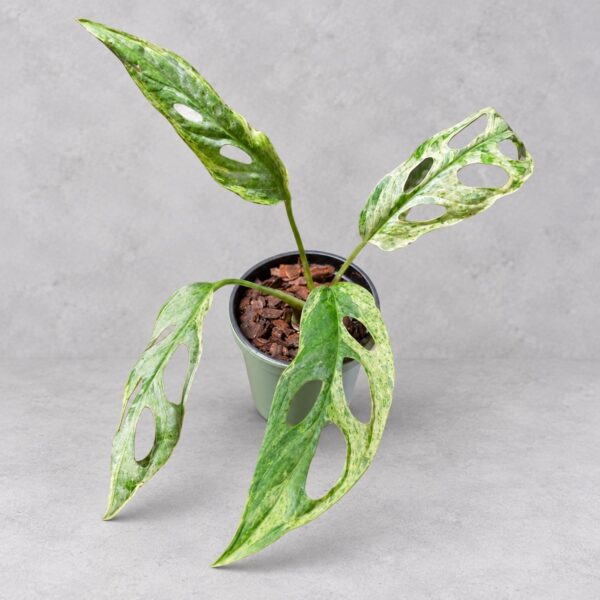
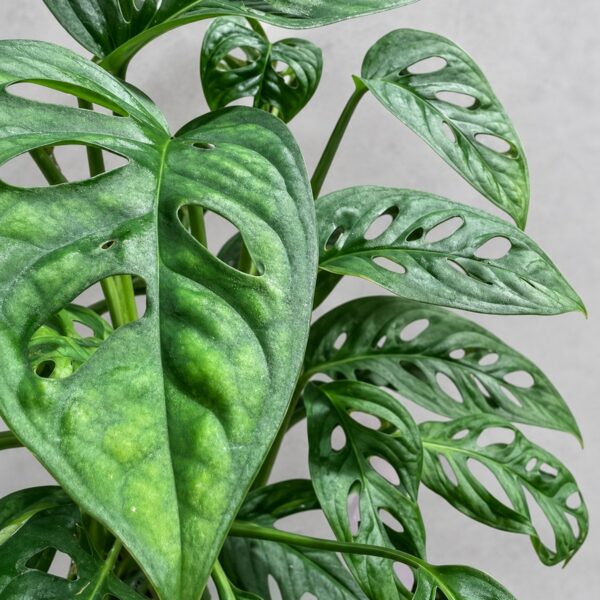
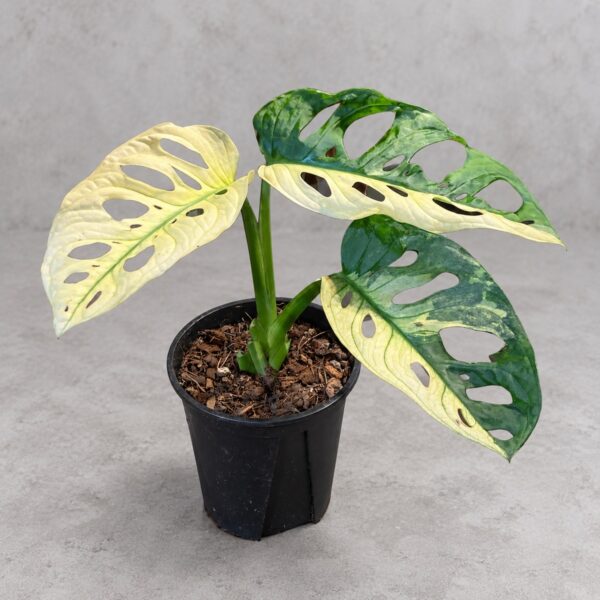
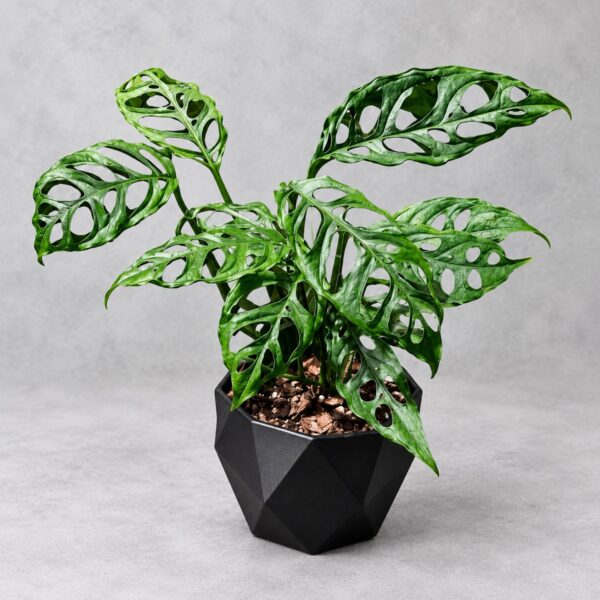
Monstera obliqua Peru
Original price was: HK$480.00.HK$280.00Current price is: HK$280.00.
In stock · store pickup
View plant
FREE PLANT ADVICE
Send us a photo before you change anything
WhatsApp a photo of the plant and your window light. Our Causeway Bay team will suggest care steps or plants that suit your space.
STORE · CAUSEWAY BAY
4/F, 39 Yiu Wa Street, Causeway Bay
Daily 12:30–8:00pm · ~3 min walk from Times Square
Map & directions