

Plant Defense Mechanisms: Why Are Some Foliage Plants Toxic?

Introduction
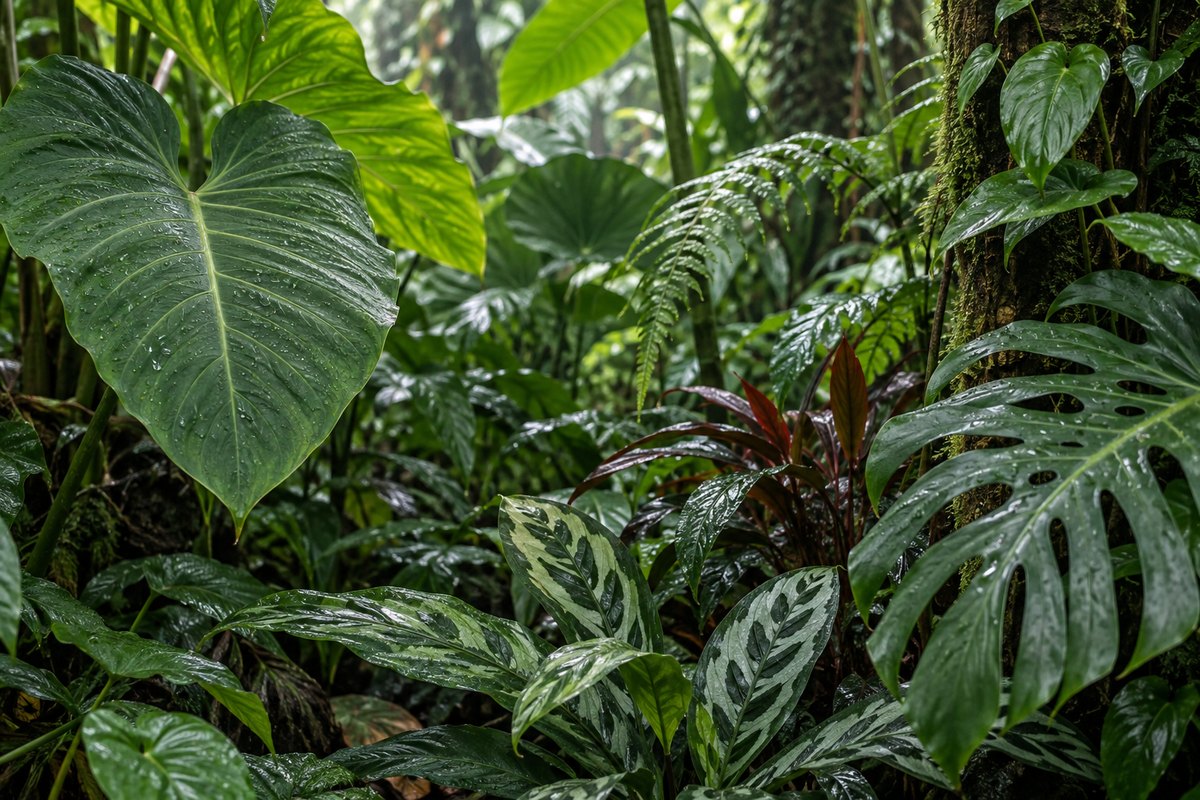
You walk into a rainforest, and everything appears lush and peaceful. But beneath this tranquility lies a chemical war that has been raging for hundreds of millions of years—every plant deploying every trick it knows to tell hungry herbivores: “Don’t eat me.”
Welcome back to the Specimen Archive. I’m the curator. Today’s topic may make you look at that adorable plant on your shelf a little differently. Foliage plant toxicity isn’t a word to fear; it’s one of the most remarkable survival strategies in evolutionary history. From the common Pothos in your home to the majestic Monstera, these plants harbor impressive chemical weapons within their leaves. Understanding these plant defense mechanisms not only deepens your appreciation for their ingenuity but also ensures the safety of your pets and children.
Why Do Plants “Poison”? An Arms Race Four Hundred Million Years in the Making
The Evolutionary Story from Being Eaten to Fighting Back
Approximately four hundred million years ago, when the first plants colonized land, their threats were desiccation and ultraviolet radiation—not predators. But as terrestrial animals, especially insects, emerged, plants found themselves transformed into an all-you-can-eat buffet.
What do you do when you can’t run? You fight back with chemistry.
Over millions of years of evolutionary pressure, plants developed a sophisticated chemical defense system. These compounds were originally metabolic byproducts, but plants serendipitously discovered that they made herbivores uncomfortable—or even sick. Natural selection then favored individuals with stronger “chemical weapons,” which is why many foliage plants contain toxic substances today.
For us humans, these toxins pose virtually no threat under normal circumstances (you’re not nibbling on your rubber tree’s leaves, are you?). But for a curious kitten or toddler at home, extra caution is warranted.
Four Chemical Defense Weapons in Foliage Plants
Alkaloids: The Oldest Plant Toxins
Alkaloids are perhaps the most famous class of defensive compounds in the plant kingdom. Nitrogen-containing and typically bitter-tasting, they appear less frequently in ornamental foliage plants than in medicinal species, but certain varieties still contain trace amounts that can affect the nervous system if ingested.
Saponins: Foamy Defenses
Saponins (from the Latin “sapo,” meaning soap) are found in many foliage plants and produce foam when dissolved in water. These compounds disrupt cell membranes and are highly toxic to insects and small animals.
Snake Plant (Dracaena trifasciata) is a well-known saponin-containing species. Cats that nibble on its leaves may experience vomiting and diarrhea. The good news? Snake plants taste extremely bitter—most animals stop after one bite, which is precisely what the plant wants.
Insoluble Calcium Oxalate Crystals: Tiny Glass Shards in the Leaves
This is the most common and perhaps most ingenious plant defense mechanism. Many foliage plants—particularly members of the Araceae family—form needle-shaped calcium oxalate crystals called raphides within their cells. These microscopic “needles” are stored in special cells called idioblasts. When a leaf is bitten, the needles pierce the herbivore’s mouth and digestive tract while releasing oxalic acid, creating an immediate burning sensation.
Imagine biting into a leaf and suddenly feeling thousands of microscopic glass needles in your mouth. That’s exactly why an animal that eats an Elephant Ear once will never touch one again.
Protease Inhibitors: Shutting Down the Digestive System
These compounds interfere with digestive enzymes in animals, meaning that even if a herbivore consumes large quantities of leaves, it cannot effectively digest the proteins. The plant may get eaten, but the herbivore gains little nutrition—a rather spiteful strategy, but evolutionarily quite effective.
A Guide to Common Toxic Foliage Plants at Home
Alocasia (Alocasia spp.) — The Calcium Oxalate Champion
Alocasia leaves contain high concentrations of calcium oxalate crystals and should be placed with care in homes with pets or children. Ingestion causes immediate and intense oral burning, accompanied by drooling and swelling. While rarely fatal, the pain is sufficient to teach a memorable lesson to whoever—or whatever—tasted it.
Monstera (Monstera deliciosa) — Beautiful but Not Edible
The Monstera’s fruit is actually edible when fully ripe in the wild (hence the species name “deliciosa”), but unripe fruit and leaves contain insoluble calcium oxalates. Cats that chew on leaves may experience oral irritation and vomiting.
Pothos (Epipremnum aureum) — The Most Dangerous “Safe” Plant
This is perhaps the most common houseplant in Hong Kong, which is precisely why so many people overlook its toxicity. Pothos contains calcium oxalate crystals. While not the most potent toxin, its widespread popularity and trailing growth habit make it easily accessible for cats to play with and accidentally ingest.
Snake Plant (Dracaena spp.) — The Saponin Representative
As mentioned, snake plants carry moderate toxicity for cats and dogs. However, their tough leaves and unpleasant taste mean actual poisoning cases are relatively rare.
Poisoning Symptoms and Emergency Response
Common Symptoms
Common symptoms of foliage plant poisoning include:
– Oral burning and swelling: The most direct effect of calcium oxalate crystals
– Excessive drooling: The body’s attempt to flush out irritants
– Vomiting: A defensive reaction of the digestive tract
– Difficulty swallowing: Caused by swelling in the mouth and throat
– Skin irritation: Some plant sap may cause contact dermatitis
Emergency Steps
If you suspect a pet or child has ingested a toxic foliage plant, follow these steps:
1. Remove plant debris: Rinse the mouth with water to clear any remaining material
2. Do not induce vomiting: Unless instructed by a professional, vomiting may cause secondary injury
3. Monitor symptoms: Record the plant species, time of ingestion, and symptoms observed
4. Seek medical attention: Bring a plant sample to the hospital or veterinary clinic
In Hong Kong, you can call the Hong Kong Poison Information Centre hotline at 2802 0163 for professional advice.
Safety Placement Strategies for Pets and Children
Elevated Placement
Use hanging planters or tall plant stands to keep toxic species out of reach. But remember—cats can jump much higher than you think.
Alternative: Choose Non-Toxic Varieties
If your pets are particularly fond of nibbling on plants, consider these safer alternatives:
– Boston Fern (Nephrolepis exaltata): Non-toxic to cats and dogs
– Areca Palm (Dypsis lutescens): Relatively safe
– Some Bromeliads: Including air plants (Tillandsia)
– Some Orchids: Such as Phalaenopsis
Physical Barriers
Use glass cabinets, terrariums, or decorative fencing to separate plants from pets. This is not only safer but also creates an attractive display space.
Conclusion: Fear Comes from Ignorance; Safety Comes from Knowledge
A plant’s toxicity is not a flaw—it is a masterpiece of millions of years of evolution. When you understand why foliage plants are toxic, you discover that these chemical weapons are actually demonstrations of botanical survival wisdom. They won’t attack you unprovoked—as long as you don’t put leaves in your mouth, simply enjoying them as ornamental plants is completely safe.
For pet safety, the solution isn’t getting rid of all your plants. It’s about strategic placement, choosing suitable species, and knowing what to do in an emergency. Every plant in the Specimen Archive has its story, including the chemical defense codes hidden within its leaf veins.
If you’d like to learn more about the safety profiles of specific varieties, browse [plantjai.com](https://plantjai.com) for detailed information on each species, or visit us in person at 4/F, Nam Hing Fong, 39 Yiu Wa Street, Causeway Bay. Our team will recommend the perfect foliage plants for your household.
IN STORE NOW
Plants for this guide
Related plants in stock now — live prices, delivery or Causeway Bay pickup.
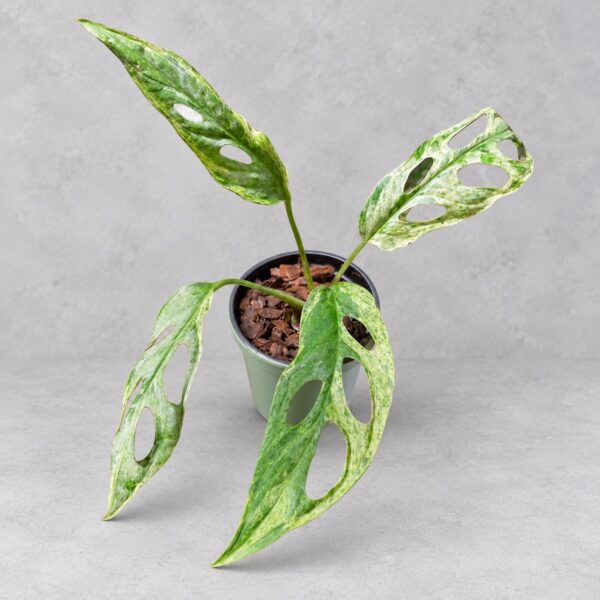
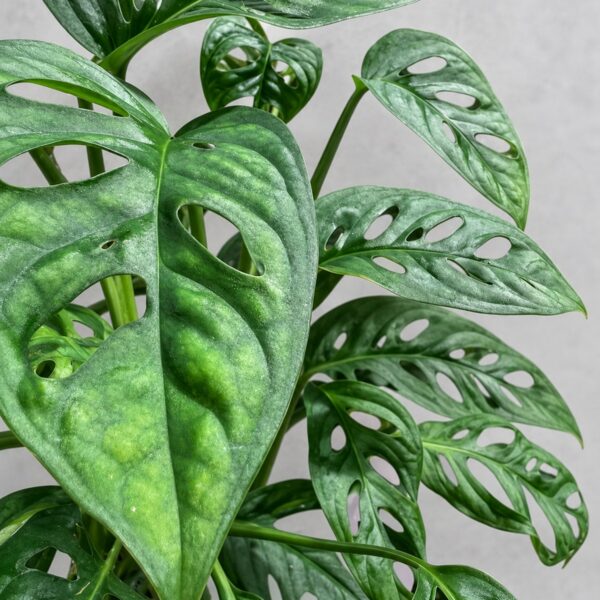
Monstera obliqua Peru
Original price was: HK$480.00.HK$280.00Current price is: HK$280.00.
In stock · store pickup
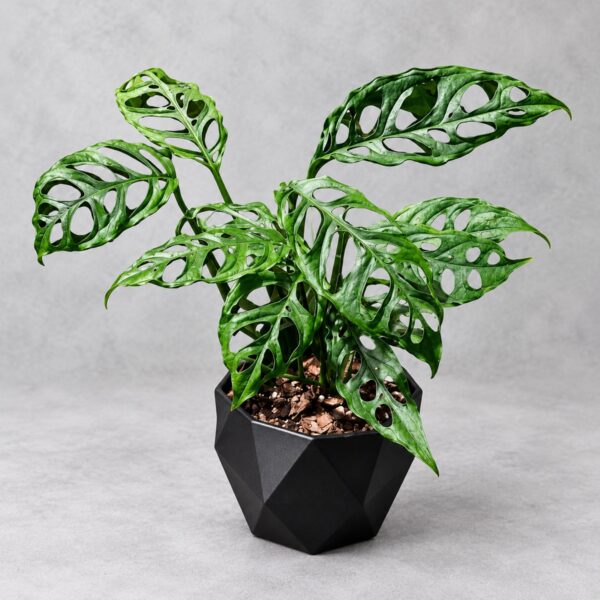
View plantMonstera 'Thai Constellation'
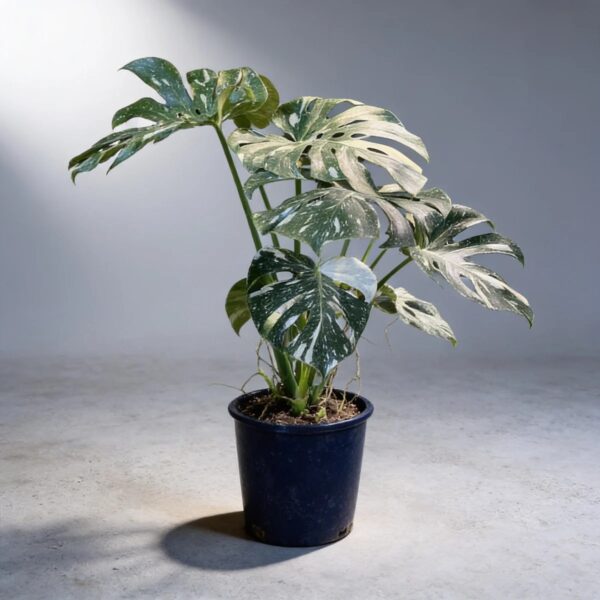
Monstera 'Thai Constellation'
from HK$280.00
In stock · store pickup
View plant
FREE PLANT ADVICE
Send us a photo before you change anything
WhatsApp a photo of the plant and your window light. Our Causeway Bay team will suggest care steps or plants that suit your space.
STORE · CAUSEWAY BAY
4/F, 39 Yiu Wa Street, Causeway Bay
Daily 12:30–8:00pm · ~3 min walk from Times Square
Map & directions