
How to Care for Philodendron Plowmanii Variegata in Hong Kong | Plantjai

Hong Kong care guide for Philodendron Plowmanii Variegata.
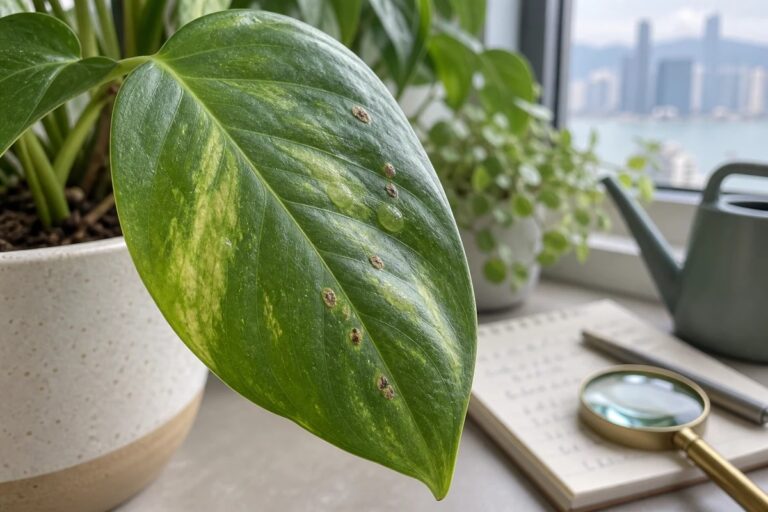
Naturally variegated leaves woven with cream-yellow and green, every leaf one-of-a-kind — top of any Philodendron collector's dream list.
⚠️ Toxicity warning: all Philodendron species contain calcium oxalate crystals; ingestion may cause mouth pain and swelling. Never let pets or children ingest it. Wash your hands after handling.
Origin & characteristics
Philodendron plowmanii is native to the tropical rainforest of Ecuador to Peru in South America. The variegata form is a naturally occurring or tissue-culture-induced variegated variant, with uneven chlorophyll distribution forming yellow-white patches.
Variegation expression can be categorised into several types:
- Block variegation: large areas of yellow-white or cream colour, the most eye-catching but with weaker photosynthetic capacity
- Splash variegation: finely mixed yellow-green, resembling splashed ink, more common
- Half-moon (yin-yang) variegation: one side of the leaf green, the other yellow, extremely high ornamental value
- Snowflake variegation: small yellow dots scattered across the leaf surface, like falling snow
Every new leaf's variegation distribution is different — this is exactly the charm of variegated plants. Mature leaves reach 30-50 cm, with a thick, waxy texture and slightly wavy edges.
Note: the variegated portions lack chlorophyll, so growth is slower than the plain green plowmanii, requiring more patience in care.
Light
- Ideal light: bright indirect light (1,500-2,500 lux); an east-facing window or 1 metre from a south-facing window is best
- Why: the variegated portions need adequate light to develop colour, but direct sun will scorch the chlorophyll-lacking yellow-white regions
- Avoid: dark positions cause variegation to fade or even "revert" back to green; midday direct sun scorches leaves
- Tip: if new leaves show reduced variegation, slightly increase light to stimulate it; if the yellow-white portions show scorched edges, reduce light
Watering
- Frequency: water once the top 2-3 cm of soil dries out, typically every 5-7 days in summer, every 10-14 days in winter
- Method: water slowly and thoroughly around the rim until a little water appears at the base, empty tray runoff after half an hour
- Note: variegated plants have slower metabolism and are more prone to root rot from standing water; always wait for the soil to dry out fully before watering in winter
- How to check: insert a finger to the second knuckle in the soil and feel for dryness before watering
Soil & pot
Soil recipe:
- A highly breathable, well-draining dedicated Araceae potting mix is recommended
- Custom ratio: 30% peat soil + 35% perlite + 25% pine bark/bark + 10% activated charcoal
- Variegated plants have weaker root systems, so drainage must be excellent
Pot choice:
- Terracotta pots are the top choice, offering the best breathability
- Drainage holes at the base are essential
- Better a smaller pot than an oversized one, to avoid the soil staying wet for extended periods
Support:
- A moss pole can be added — leaves become larger and variegation richer once climbing
- Keeping the moss pole moist helps aerial roots absorb water and nutrients
Temperature & humidity
- Ideal temperature: 22-28°C
- Tolerable range: 18-30°C
- Danger zone: below 15°C easily causes frost damage, with the yellow-white portions being most vulnerable; above 35°C stalls growth
- Humidity: 65-85% is most ideal — high humidity helps variegated leaves stay vivid
- Humidity suggestions: running a humidifier continuously or using a humidity tray is recommended, especially when AC or heating is on
Common problems
Q: Variegation fading or disappearing (reverting)?
The main cause is insufficient light — move to a brighter position. Also, if the plant is becoming too "green," you can trim off fully green leaves to stimulate variegated growth points.
Q: Scorched edges or brown spots appearing on the yellow-white portions?
Light too strong or humidity too low — move to a gentler indirect light position and increase humidity. The yellow-white portions lack chlorophyll protection and are especially prone to sunburn.
Q: Growth is very slow?
Naturally slow growth in variegated plants is normal, especially leaves with large block variegation having weaker photosynthetic capacity. Be patient and avoid over-fertilising to force growth.
Q: Can it be propagated while retaining variegation?
Variegation expression is unstable in cuttings, which may produce fully green or fully yellow offspring. Tissue culture is relatively more stable, but generally difficult for the average hobbyist to perform.
Q: What should I do about fully yellow leaves?
Leaves with no green at all can't photosynthesise and will naturally wither — this is normal. But if the plant continuously produces only fully yellow leaves, it may indicate excessive variegation, requiring a check on the growth point's condition.
How to explain to customers
"This is Philodendron plowmanii variegata, a highly sought-after cultivar. Its leaves are woven with cream colour and green, every leaf's pattern different — a true work of natural art. Variegated plants need gentler care — enough light but never direct sun, higher humidity, and water only once the soil has fully dried out. Growth will be slower, but the satisfaction of watching it produce a beautiful variegated leaf is priceless. This one isn't cheap, so treat it like a treasure. Remember, Philodendron is toxic, so keep it away from children and pets."
Fun facts
Variegation in Philodendron is actually a kind of "genetic defect" — chlorophyll synthesis is blocked, resulting in yellow-white or milky-white patches. In the wild, variegated plants usually struggle to survive due to reduced photosynthetic capacity; but in horticulture, this "defect" has instead become one of the most prized traits. Philodendron plowmanii variegata went viral in Thailand's tropical plant market around 2020, with top-tier half-moon variegated specimens once being nearly impossible to find, hailed as one of the most collectible Philodendron variegated cultivars alongside the "budget Pink Princess."
Keywords
Philodendron, plowmanii, variegata, variegated plowmanii, variegated plant, patterned leaf, cream variegation, splash variegation, half-moon variegation, Araceae, foliage plant, indoor plant, tropical plant, climbing plant, aerial root plant, advanced plant collector, collectible cultivar, rare plant, Plantjai, air purification, medium-to-large indoor plant, high-humidity plant
參考資料(想知來源可展開)
References
- Royal Botanic Gardens, Kew — Plants of the World Online: genus Philodendron, https://powo.science.kew.org/
- ASPCA — Toxic and Non-Toxic Plant List, https://www.aspca.org/pet-care/animal-poison-control/toxic-and-non-toxic-plants
⚠️ Contains calcium oxalate crystals; toxic to humans and pets if ingested. Keep out of reach of children and pets.
Plantjai · Causeway Bay collector indoor plants · WhatsApp +852 66807550
For Hong Kong homes and offices. Stock and pricing follow the product page.
IN STORE NOW
Plants for this guide
Related plants in stock now — live prices, delivery or Causeway Bay pickup.
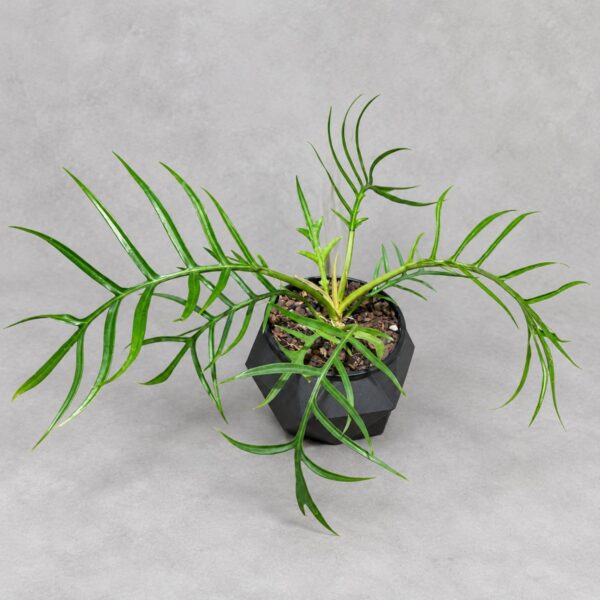
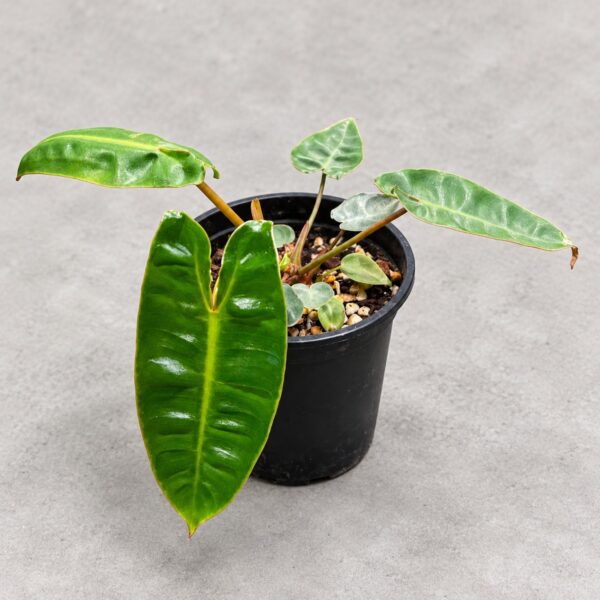
Philodendron 'Florida Ghost'
Philodendron 'Florida Ghost'
from HK$118.00
In stock · store pickup
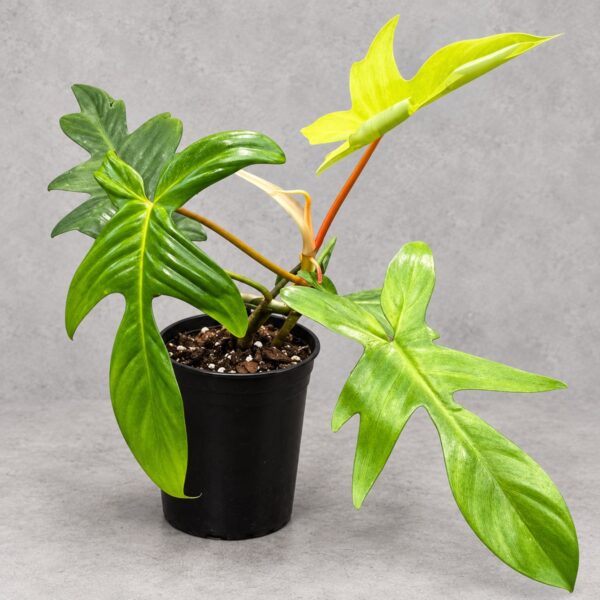
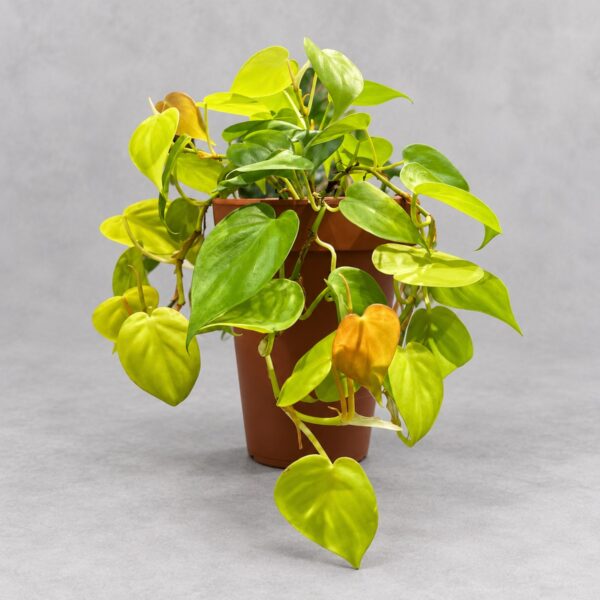
View plantPhilodendron hederaceum 'Lemon Lime'
Philodendron hederaceum 'Lemon Lime'
HK$198.00
In stock · store pickup
View plant
FREE PLANT ADVICE
Send us a photo before you change anything
WhatsApp a photo of the plant and your window light. Our Causeway Bay team will suggest care steps or plants that suit your space.
STORE · CAUSEWAY BAY
4/F, 39 Yiu Wa Street, Causeway Bay
Daily 12:30–8:00pm · ~3 min walk from Times Square
Map & directionsPlant Care