
How to Care for Philodendron Peru in Hong Kong | Plantjai

Hong Kong care guide for Philodendron Peru.
Leaves as thick as leather with a distinctive rippled, textured surface, paired with emerald-green colouring and reddish-brown new growth — understated yet elegant, a favourite among texture-focused collectors.
Botanical name pending confirmation
⚠️ A note on the name: in horticultural circles, this cultivar is commonly known as Philodendron 'Peru' or Philodendron sp. 'Peru'. Recent botanical research has classified it as Philodendron fibraecataphyllum, but the name isn't fully confirmed, and some literature still uses Philodendron opacum or other names. When purchasing, we recommend using the trade name 'Peru' as the primary identifier.
Origin & characteristics
Philodendron 'Peru' is native to the tropical rainforest of Peru, Ecuador, and Colombia in South America, growing in higher-elevation mountainous regions. Its trade history is relatively short, and it's an emerging cultivar that's only gained attention in recent years.
This cultivar's greatest feature is its thick, leathery leaves — with a texture reminiscent of actual leather — displaying a distinctive rippled or crinkled surface (somewhat like Monstera deliciosa, but finer), giving the leaf a distinctive three-dimensional visual effect. Mature leaves are long-oval to lance-shaped, deep emerald-green with a slight sheen. New leaves typically emerge reddish-brown to bronze, gradually turning mature green — the colour contrast between new and old leaves is highly ornamental.
Philodendron 'Peru' is a climbing species that clings to tree trunks in the wild. In cultivation, providing a sphagnum or coco fibre pole significantly promotes larger leaves — up to 20-30 cm when climbing. The plant's overall form is compact and upright, making it very suitable for indoor display.
⚠️ Toxicity warning: Philodendron 'Peru' contains calcium oxalate crystals and is toxic. Ingestion may cause mouth burning, swelling, drooling, and gastrointestinal discomfort. Keep out of reach of children and pets. Wearing gloves when handling is recommended to avoid sap contact with skin or eyes, and thoroughly wash hands after contact. If ingested, rinse the mouth immediately and seek medical attention.
Light
- Ideal light: medium to bright indirect light. An east- or north-facing windowsill is most ideal, and it can accept gentle morning sun
- Acceptable range: adapts to semi-shade to medium light; its thick leaves make it more shade-tolerant than typical Philodendron species
- Avoid: intense midday direct sun — prolonged exposure causes sunburn, resulting in yellow or brown scorched edges
- Signs of insufficient light: leaves become thin, losing their rippled texture; new leaf colour is paler; internodes stretch and become sparse; overall growth slows
- Indoor placement suggestions: 1.5-2.5 metres from a south-facing window, near an east-facing window, or near a north-facing window. Pair with artificial lighting in an office setting. Given the leaf's distinctive texture, place it somewhere its surface details can be easily appreciated
Watering
- Frequency: water once the top 3 cm of soil dries out in spring/summer, roughly every 7-10 days; wait until roughly half the soil depth dries out in autumn/winter, roughly every 10-14 days
- Method: pour slowly around the rim until water drains from the base, wait 10 minutes, then empty tray runoff
- Water quality: room-temperature tap water left standing is fine. The thick leaves give it higher tolerance for water quality variation
- Signs of overwatering: leaves yellowing and going soft, stem base turning soft and black, persistently damp soil with an odour
- Signs of underwatering: leaves drooping slightly, browning curled leaf edges, soil shrinking away from the pot
- Notes:
- The thick leaves have some moisture-storage capacity, giving it decent drought tolerance — better slightly dry than overwatered
- Substantially reduce watering in winter, waiting for the soil to dry deeper than usual before watering again
- In high-humidity conditions, the watering interval can be extended
- Ensuring no standing water at the base is key to preventing root rot
Soil & pot
- Soil recipe: needs a loose, breathable, well-draining medium. Recommended recipe: quality peat soil or coco coir 55% + perlite 25% + bark chips 15% + a small amount of charcoal chips 5%
- pH: slightly acidic to neutral (5.5-6.5)
- Pot choice: terracotta or clay pots offer the best breathability, helping the thick root system breathe; plastic pots retain moisture better and require adjusted watering frequency. Drainage holes at the base are essential
- Repotting timing: repot once every 1-2 years, ideally in spring. Repot when roots emerge from drainage holes, circle the pot's edge, or when growth clearly slows
- Repotting technique: the new pot should be 5-8 cm larger in diameter. Philodendron 'Peru' has a fairly robust root system — gently comb out the outer roots when repotting. Place in bright indirect light for a week after repotting, pausing fertiliser to let the plant adjust
Temperature & humidity
- Ideal temperature: 18-27°C is the best growing range
- Minimum tolerance: can briefly tolerate 12°C, but long-term below 15°C will slow growth
- High temperature note: above 30°C requires improved ventilation and appropriate shading
- Ideal humidity: 50-70% relative humidity is most ideal. Higher humidity helps leaves maintain their rippled texture and sheen
- Managing low humidity:
- Use a humidifier to maintain stable humidity
- Place on a tray lined with damp pebbles (pot base not touching the water surface)
- Group with other plants to increase localised humidity
- Mist the leaf surface regularly (ensure good ventilation)
- Hong Kong climate adaptability: adapts well to Hong Kong's warm, humid climate, growing vigorously during the high-humidity spring and summer. Pay attention to increasing humidity during the drier autumn/winter, avoiding direct AC airflow
Common problems
Q: The leaf ripples aren't pronounced, becoming smoother?
A: Mainly caused by insufficient light or air humidity too low. Increase bright indirect light and raise surrounding humidity, and new leaves will gradually regain their pronounced rippled texture.
Q: New leaves aren't coming in reddish-brown anymore?
A: New leaf colour is affected by light intensity and temperature. Ample bright indirect light and a warm environment help new leaves display their best reddish-brown tone. In winter, with weaker light, new leaf colour may be paler — this is normal.
Q: Brown spots or scorched edges appearing on leaves?
A: Possible causes: 1) sun too strong — move to a shadier position; 2) air too dry — increase humidity; 3) overwatering — check roots for signs of rot.
Q: Growth is slow, with no new leaves for a long time?
A: Possible causes include insufficient light, temperature too low (common in winter), lack of nutrients, or roots having filled the pot. Check and improve environmental conditions; begin applying diluted liquid fertiliser in spring/summer.
Q: How can it be propagated?
A: Tip cuttings or single-node cuttings both work. Choose a healthy stem section with an aerial root, cut it off, and insert into water or slightly moist perlite, placing it somewhere warm and bright — roots develop in roughly 3-4 weeks. Given the thicker leaves, maintain appropriate humidity during propagation while avoiding standing water.
Q: What about pests?
A: Common pests include scale insects, spider mites (in dry conditions), and whiteflies. Regularly check the leaf undersides and stems, and treat with soapy water or neem oil promptly if pests are found. Good ventilation is the best prevention.
How to explain to customers
"What's most special about this Philodendron 'Peru' is how thick its leaves are — feels like leather to the touch, with lots of rippled texture on the surface, incredibly tactile. New leaves come in reddish-brown, gradually turning deep green, and seeing both new and old leaves together is really beautiful. It's a climbing species — give it a pole to climb and the leaves get much bigger. It's fairly easy to care for — bright indirect light, letting the soil dry out before watering — actually one of the less fussy cultivars compared to others. As for the botanical name, horticultural circles generally call it Philodendron 'Peru', with the exact botanical name still not fully confirmed. Remember to keep it somewhere children and pets can't reach — it's toxic."
Fun facts
- Philodendron 'Peru' was long known in horticultural circles as "Philodendron sp. 'Peru'," meaning "a certain Philodendron species from Peru," since botanists couldn't determine its exact classification for a long time. Only in recent years has research classified it under Philodendron fibraecataphyllum, though this classification remains debated
- Its thick, leathery leaves and rippled surface are actually adaptations to its higher-elevation native environment. Thicker leaves reduce water evaporation, while the ripples help quickly shed standing water on the leaf surface, avoiding fungal growth
- Some growers have found that in a climbing setup, new leaves' reddish-brown colour is more vivid and long-lasting, possibly related to the roots absorbing more water and nutrients from contact with the moss pole while climbing. So if you want to see the best red-leaf effect, remember to give it a pole to climb!
- Though not as famous as variegated cultivars like Pink Princess or Strawberry Shake, Philodendron 'Peru' has a stable following among plant collectors thanks to its distinctive leaf texture and relatively manageable care requirements, considered a cultivar that "only true connoisseurs appreciate"
Keywords
Philodendron Peru, Philodendron, Philodendron fibraecataphyllum, Philodendron opacum, botanical name pending confirmation, leathery leaf, rippled leaf, reddish-brown new growth, climbing plant, moss pole, textured foliage plant, low-maintenance plant, indoor foliage plant, tropical rainforest plant, calcium oxalate toxic, Plantjai, Philodendron cultivar, emerging cultivar
參考資料(想知來源可展開)
References
- Royal Botanic Gardens, Kew — Plants of the World Online: genus Philodendron, https://powo.science.kew.org/
- ASPCA — Toxic and Non-Toxic Plant List, https://www.aspca.org/pet-care/animal-poison-control/toxic-and-non-toxic-plants
⚠️ Contains calcium oxalate crystals; toxic to humans and pets if ingested. Keep out of reach of children and pets.
Plantjai · Causeway Bay collector indoor plants · WhatsApp +852 66807550
For Hong Kong homes and offices. Stock and pricing follow the product page.
IN STORE NOW
Plants for this guide
Related plants in stock now — live prices, delivery or Causeway Bay pickup.
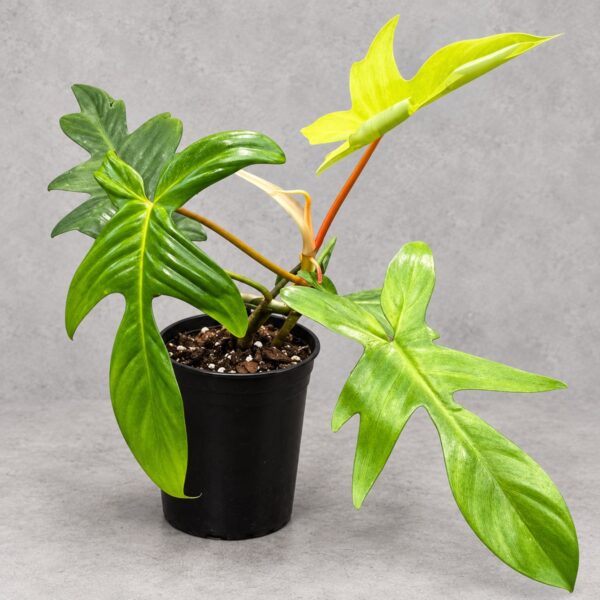
Philodendron 'Florida Ghost'
Philodendron 'Florida Ghost'
from HK$118.00
In stock · store pickup
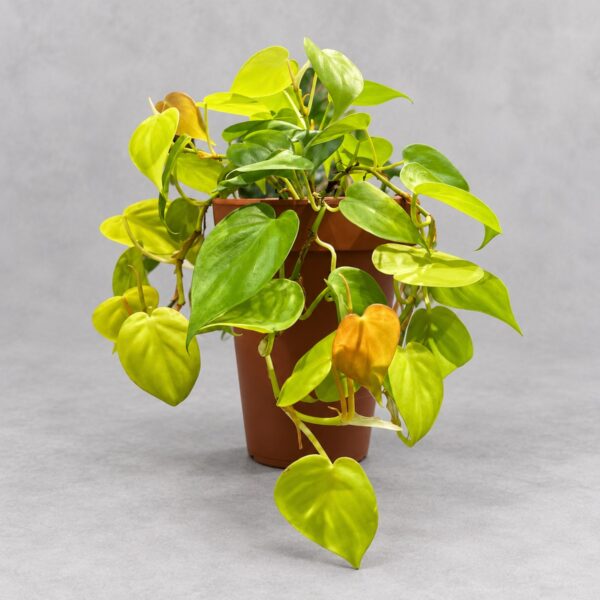
View plantPhilodendron hederaceum 'Lemon Lime'
Philodendron hederaceum 'Lemon Lime'
HK$198.00
In stock · store pickup
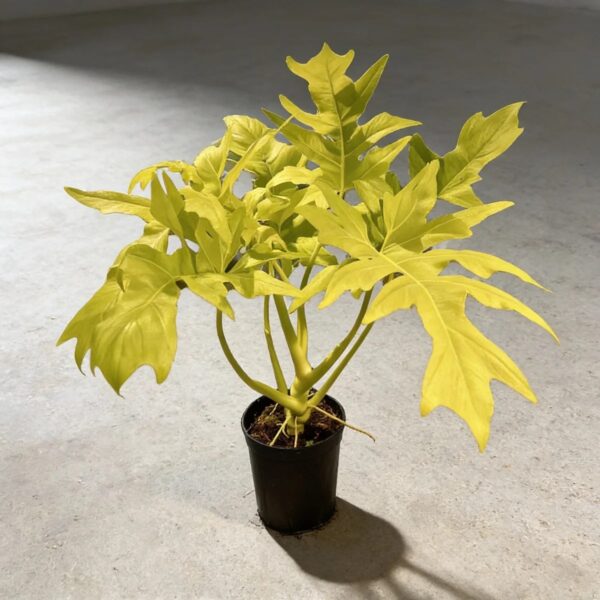
View plantPhilodendron warscewiczii 'Aurea Flavum'
Philodendron warscewiczii 'Aurea Flavum'
HK$298.00
In stock · store pickup
View plant
FREE PLANT ADVICE
Send us a photo before you change anything
WhatsApp a photo of the plant and your window light. Our Causeway Bay team will suggest care steps or plants that suit your space.
STORE · CAUSEWAY BAY
4/F, 39 Yiu Wa Street, Causeway Bay
Daily 12:30–8:00pm · ~3 min walk from Times Square
Map & directionsPlant Care