
How to Care for Philodendron Micans in Hong Kong | Plantjai

Hong Kong care guide for Philodendron Micans.
Delicate heart-shaped velvety leaves carry an iridescent metallic sheen, with new leaves shifting from copper-red to olive-green — suited to trailing or climbing, this is the top pick for beginners entering the world…
Origin & characteristics
- Native range: Central America to northern South America, including tropical evergreen rainforest in southeastern Mexico, Guatemala, and Colombia
- Growth habit: a trailing, climbing vine with soft nodes, able to naturally trail downward (up to 1-2 metres), or climb a support upward
- Leaf characteristics: small heart-shaped leaves (mature leaves roughly 5-10 cm), leaf surface covered in fine hairs, showing an iridescent sheen of purple-red, bronze, and olive-green under light; new leaves emerge in vivid copper-red, gradually deepening with maturity
- Growth rate: fast, with vines extending 10-15 cm per month under suitable conditions
⚠️ Toxicity warning: Philodendron micans contains calcium oxalate crystals throughout the plant; ingestion causes mouth burning, drooling, and gastrointestinal discomfort. Keep out of reach of children and pets.
Light
- Ideal light: medium to bright indirect light (500-2,000 lux), either an east- or west-facing window works
- Shade tolerance: moderately shade-tolerant, able to maintain growth in semi-shade, though leaf colour will be somewhat dull
- Avoid: intense midday direct sun in summer will fade leaf colour and cause scorch spots
- Signs of insufficient light: internodes stretching, leaves becoming narrower and thinner, iridescent sheen fading
- Tip: with adequate light, the leaf underside turns purple-red; with too little light, the underside turns green — this can serve as a light reference indicator
Watering
- Frequency: water once the top 2-3 cm of soil dries out, roughly every 4-6 days in summer, every 7-10 days in winter
- Water quality: room-temperature tap water is fine, no special requirements
- Method: water thoroughly around the rim until it appears at the base, empty tray runoff after half an hour
- Standing water warning signs: lower leaves yellowing and dropping, stem base turning soft and black — possible root rot
- Drought warning signs: leaves drooping downward, losing their sheen — usually recovers with prompt watering
Soil & pot
- Soil recipe: primarily well-draining and breathable, the following recipe is recommended:
- 50% peat soil + 30% perlite + 20% coco coir
- Or use a commercial foliage-plant potting mix directly, adding 30% perlite to boost drainage
- pH: 5.5-6.5
- Pot choice:
- For trailing display: a hanging pot or elevated position lets the vines trail naturally, giving the most beautiful effect
- General pots: terracotta or plastic both work, the key is having drainage holes
- Repotting timing: once roots have filled the pot or emerge from drainage holes, roughly once a year in spring
Temperature & humidity
- Ideal temperature: 18-27°C, with an optimal growing temperature of roughly 20-25°C
- Minimum tolerance: no lower than 12°C; prolonged low temperatures cause leaf drop and stalled growth
- Ideal humidity: 50-70%, fairly adaptable — typical Hong Kong indoor humidity works fine
- Ways to increase humidity:
- Typical household humidity is generally sufficient; use a humidifier in particularly dry conditions
- Grouping with other plants can increase localised humidity
- Note: avoid misting directly onto the leaf surface — water trapped among the fine hairs can easily cause leaf spot
Common problems
| Issue | Likely cause | What to do |
|---|---|---|
| Leaves losing their iridescent sheen | Light too weak | Move to a brighter position, gradually increasing light |
| Internodes stretching, leaves narrowing | Insufficient light or excess nitrogen fertiliser | Adjust position, reduce fertilising frequency |
| Crispy leaf tips | Humidity too low or irregular watering | Establish a stable watering routine, add humidity as needed |
| Lower leaves yellowing and dropping | Overwatering or natural ageing | Check soil moisture, reduce watering |
| Vines becoming bare and leggy | Lack of pruning | Trim the tip to promote branching; cuttings can be propagated |
| Powdery substance on leaves | Possibly mealybugs | Wipe with an alcohol-soaked cotton pad or spray with neem oil |
How to explain to customers
"Philodendron micans is our most recommended velvety-leaved species for beginners at Plantjai! Its leaves are small and heart-shaped, and turning it towards the light reveals shifting purple-red, bronze, and green tones — as beautiful as a piece of mica mineral. Best of all, it's easy to care for — place it atop a bookshelf or in a hanging pot and let the vines trail down naturally for a lovely effect. Remember, let the soil dry out before watering, don't overwater it. Give it some indirect light occasionally to keep it looking its best, and the new leaves will come in a beautiful red. It is toxic, so keep it away from cats and dogs."
Fun facts
- The meaning of micans: the species epithet micans comes from Latin, meaning "glittering" or "shimmering," describing the metallic iridescence flowing across its leaf surface under light
- A chameleon leaf: on the same vine, new leaves are copper-red, semi-mature leaves are purple-green, and old leaves are olive-green, forming a natural colour gradient — displaying multiple colours regardless of the season
- Extremely easy to propagate: Philodendron micans is one of the easiest Philodendrons to propagate — cut a section with 2-3 nodes, place it in water or soil, and it roots in roughly 2-3 weeks, easy even for beginners, and pruning also keeps the mother plant fuller
Keywords
Philodendron micans, velvet Philodendron, Velvet Leaf Philodendron, trailing plant, climbing plant, beginner-friendly, indoor foliage plant, iridescent leaf, Plantjai, heart-shaped leaf, velvety texture, easy to propagate, toxic plant, low maintenance, hanging pot plant
參考資料(想知來源可展開)
References
- Royal Botanic Gardens, Kew — Plants of the World Online: Philodendron micans, https://powo.science.kew.org/
- ASPCA — Toxic and Non-Toxic Plant List, https://www.aspca.org/pet-care/animal-poison-control/toxic-and-non-toxic-plants
⚠️ Contains calcium oxalate crystals; toxic to humans and pets if ingested. Keep out of reach of children and pets.
Plantjai · Causeway Bay collector indoor plants · WhatsApp +852 66807550
For Hong Kong homes and offices. Stock and pricing follow the product page.
IN STORE NOW
Plants for this guide
Related plants in stock now — live prices, delivery or Causeway Bay pickup.
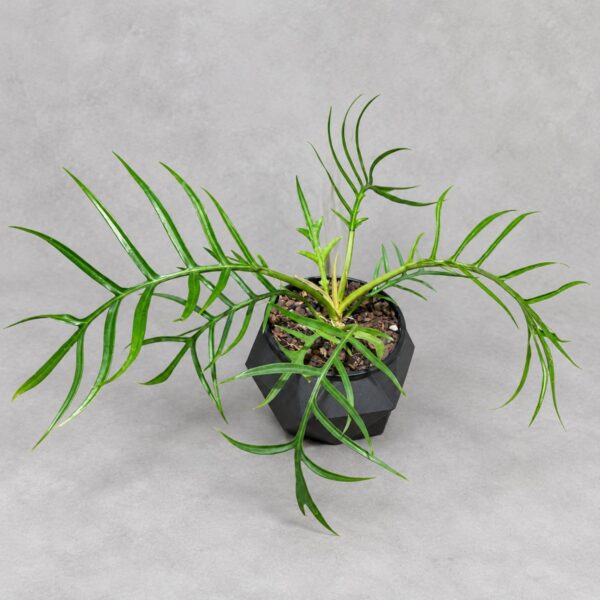
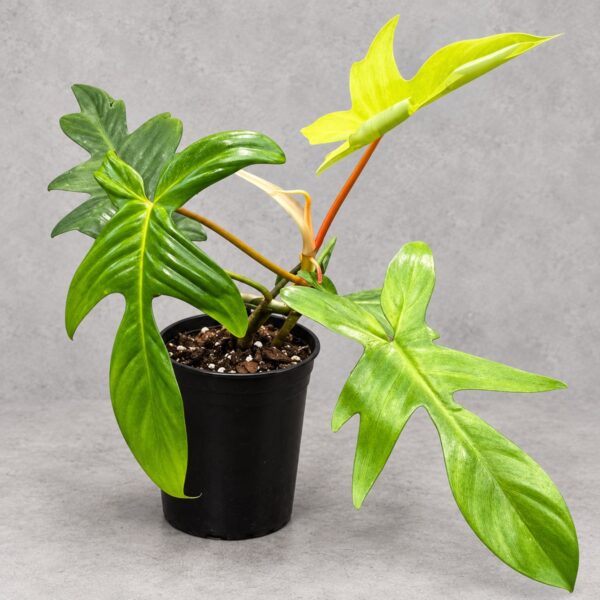
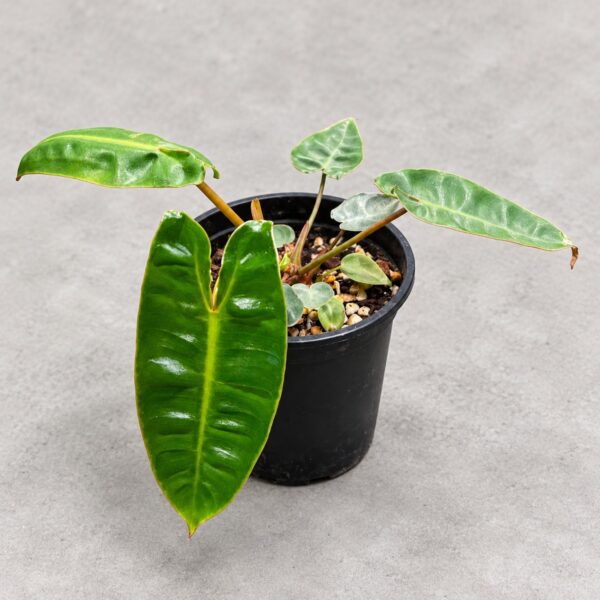
Philodendron 'Florida Ghost'
Philodendron 'Florida Ghost'
from HK$118.00
In stock · store pickup
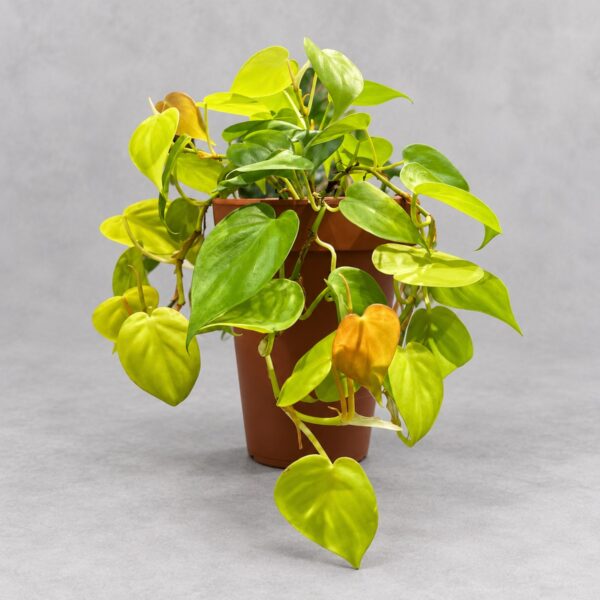
View plantPhilodendron hederaceum 'Lemon Lime'
Philodendron hederaceum 'Lemon Lime'
HK$198.00
In stock · store pickup
View plant
FREE PLANT ADVICE
Send us a photo before you change anything
WhatsApp a photo of the plant and your window light. Our Causeway Bay team will suggest care steps or plants that suit your space.
STORE · CAUSEWAY BAY
4/F, 39 Yiu Wa Street, Causeway Bay
Daily 12:30–8:00pm · ~3 min walk from Times Square
Map & directionsPlant Care