
How to Care for Philodendron Gigantium Variegata in Hong Kong | Plantjai

Hong Kong care guide for Philodendron Gigantium Variegata.
Enormous leaves splashed with cream-white and emerald marbled variegation, with the commanding presence of a tropical rainforest caught in a snowstorm — the ultimate choice for a room's centrepiece plant.
Botanical name pending confirmation
⚠️ A note on the name: in horticultural trade, this cultivar is often labelled Philodendron gigantium variegata or Philodendron giganteum variegata. The standard botanical name should be Philodendron giganteum (the giant Philodendron), with "gigantium" being a common misspelling. The variegated form (variegata) is a horticultural derivative, and its formal taxonomic classification is still to be confirmed. We recommend using the trade name "Snowstorm Philodendron" or Philodendron giganteum variegata as the primary identifier.
Origin & characteristics
This variegated Philodendron is a variegated form of the giant Philodendron (Philodendron giganteum), with the plain species widely distributed across the Caribbean (including Jamaica, Cuba, and Hispaniola) and the tropical rainforest of Central America and northern South America. As one of the largest-leaved species in the genus Philodendron, the plain species can develop leaves exceeding 1 metre in length under ideal conditions — a genuinely impressive sight.
The variegated form inherits the plain species' enormous leaf genetics, while displaying stunning variegation on the leaves: large areas of cream-white and pale yellow-green patterning scattered across the deep emerald leaf surface, forming a marbled texture as if splashed by a snowstorm. Every leaf's variegation pattern is unique, ranging from scattered spots to half the leaf being fully variegated. Mature leaves take on a huge heart or arrow shape, thick and glossy, reaching over 50 cm in length (even larger in an ideal climbing setup), making it an incredibly impactful centrepiece plant.
This is a large climbing species, able to climb several metres high in the wild. Cultivation requires a sturdy support pole, either a sphagnum pole or coco coir pole. In a climbing setup, leaves develop even larger and the variegation effect becomes even more striking.
⚠️ Toxicity warning: this variegated Philodendron contains calcium oxalate crystals and is toxic — and due to its enormous leaf size, the total toxin content is relatively higher. Ingestion may cause severe mouth, tongue, and throat burning and swelling, drooling, difficulty swallowing, nausea, vomiting, and gastrointestinal discomfort. It must be placed completely out of reach of children and pets, with special attention given to how the giant leaves might attract a curious child. Wear gloves and long sleeves when handling the plant (especially when pruning large leaves) to avoid sap contact with skin or eyes. If ingested, rinse the mouth immediately and seek emergency medical attention.
Light
- Ideal light: bright indirect light to medium-intensity indirect light. A large east- or north-facing window is best, and it can accept gentle morning sun
- Special needs of variegated leaves: since the variegated regions lack chlorophyll, they need ample light to sustain growth, but the variegated tissue is also more prone to sunburn — light management requires careful balance
- Avoid: any intense direct sun, especially around midday. Once a large variegated leaf is sunburned, the damaged area is quite noticeable, affecting overall display value
- Signs of insufficient light: variegation colour becomes dull, new leaves are smaller, internodes stretch and become sparse, overall growth slows. Prolonged insufficient light causes the plant to gradually weaken
- Indoor placement suggestions: given its large size, ensure sufficient space. A living room, office, or larger room with ample light is recommended. Pair with an LED grow light, especially during cloudier seasons. Rotate the pot regularly for even light exposure
Watering
- Frequency: water once the top 3 cm of soil dries out in spring/summer, roughly every 5-7 days (large plants have stronger transpiration); wait until roughly half the soil depth dries out in autumn/winter, roughly every 10-14 days
- Method: given the plant's size, it needs a larger volume of water. Pour slowly around the rim at multiple points, ensuring water penetrates the entire root ball evenly, until a substantial amount drains from the base. Wait 10 minutes, then thoroughly empty tray runoff
- Water quality: room-temperature tap water left standing, or filtered water, is recommended. Large leaves are sensitive to water quality — hard water easily causes leaf-tip scorching
- Signs of overwatering: lower leaves yellowing, a soft, blackened stem base, persistently wet soil with an odour, brown, rotten roots
- Signs of underwatering: noticeably drooping, limp leaves, browning curled leaf edges, stalled growth
- Notes:
- Large plants have more soil volume, so the wet-dry cycle takes longer — watch for standing water at the base
- More frequent watering may be needed during hot summer weather, substantially reduced in winter
- In high-humidity conditions, the watering interval can be slightly extended
- Using a large pot with adequate drainage holes is essential
Soil & pot
- Soil recipe: needs an extremely loose, breathable, well-draining medium rich in organic matter. Recommended recipe: quality peat soil or coco coir 45% + perlite 25% + bark chips 20% + charcoal chips 5% + sphagnum moss 5%
- pH: slightly acidic (5.5-6.5) is most ideal
- Pot choice: a large terracotta or clay pot is strongly recommended for the best breathability. Given the plant's large size and weight, choose a sturdy, durable pot. Plastic pots, while lightweight, have poorer breathability and require extra careful watering control. Ample drainage holes at the base are essential
- Support pole: this variegated Philodendron needs a sturdy support pole. A sphagnum or coco coir pole at least 8-10 cm in diameter is recommended, with height gradually increased as the plant grows. The pole needs to be firmly inserted into the soil to bear the weight of the large leaves
- Repotting timing: repot once every 1-2 years, in spring. Repot when roots fill the pot and emerge substantially from the drainage holes, or when growth noticeably slows
- Repotting technique: the new pot should be 8-12 cm larger in diameter. Given the plant's large size and weight, having someone assist with repotting is recommended. Use the opportunity to check root health, add fresh substrate, and adjust the support pole's position
Temperature & humidity
- Ideal temperature: 20-28°C is the best growing range. A warm environment helps the giant leaves develop fully
- Minimum tolerance: shouldn't be below 15°C for extended periods; briefly below 12°C may cause cold damage
- High temperature note: sustained temperatures above 32°C require improved ventilation and shading to prevent heat damage to variegated leaves
- Ideal humidity: 60-80% relative humidity is most ideal. High humidity is critical for the health and variegation quality of the giant leaves
- Managing low humidity:
- Use a humidifier to maintain stable high humidity (strongly recommended, especially in large spaces)
- Place on a large tray lined with damp pebbles
- Group with multiple plants to create a humid microclimate
- Mist the leaf surface regularly (ensure good ventilation, avoiding prolonged water droplets on variegated areas)
- Hong Kong climate adaptability: Hong Kong's high-humidity spring and summer are very suitable for growth; actively increase humidity during the drier autumn/winter. Given the plant's large size, avoid direct AC or heater airflow
Common problems
Q: New leaves are smaller, not as large as before?
A: Possible causes: 1) insufficient light — ensure ample bright indirect light; 2) lack of climbing support — provide a sphagnum pole for it to climb; 3) nutrient deficiency — fertilise regularly in spring/summer; 4) needs repotting — check whether roots have filled the pot.
Q: Brown scorched edges or spots appearing on the variegated portions?
A: This is a sign of excessive light or humidity too low. Move the plant to a shadier position immediately and increase surrounding air humidity. Damaged tissue can't be repaired, but new leaves will return to normal once the environment improves.
Q: Leaves drooping and weak?
A: First check soil moisture. If too dry, water thoroughly right away; if too wet, stop watering and check for root rot. Low temperature or recent repotting can also cause temporary leaf drooping.
Q: Brown rot appearing on the stem or petiole?
A: A serious sign of root rot from overwatering. Stop watering immediately, remove the plant from its pot to check the roots. Trim off all rotten portions and repot in fresh, dry substrate. In severe cases, you may need to take healthy stem cuttings for propagation.
Q: How can it be propagated?
A: Given its large size, tip cuttings or stem cuttings are typically chosen. Cut a healthy stem section with an aerial root above a node, and insert into water or slightly moist perlite. Since variegation is unstable, propagated offspring may show different variegation than the mother plant.
Q: Why are the leaves getting greener with less variegation?
A: Variegation reduction is a common phenomenon, potentially related to insufficient light, unstable genetics, or plant ageing. Appropriately increasing light, regularly pruning fully green branches, and maintaining a good growing environment all help slow variegation loss.
Q: What about pests?
A: Large leaves easily become a target for pests, commonly spider mites (in dry conditions), scale insects, and aphids. Given the leaf size, regularly inspect the leaf undersides and stems carefully. Spray diluted neem oil or soapy water if pests are found; use a dedicated pesticide for severe infestations.
How to explain to customers
"This variegated Philodendron is absolutely the centrepiece of any space! Its leaves can be as big as your whole face, even bigger, with cream-white and green marbled variegation woven throughout — every leaf is different, truly as spectacular as a snowstorm. It needs a larger space and a stronger support pole, since the leaves are genuinely big and heavy. Care requires a bit more attention than a typical Philodendron — it needs bright indirect light, higher humidity, and regular fertilising. But when you see it unfurl a huge new variegated leaf, that sense of awe and satisfaction is something smaller plants just can't match! Remember to keep it somewhere children and pets absolutely cannot reach — it's toxic, and the large leaves can easily attract curious little hands."
Fun facts
- The species epithet "giganteum" in Philodendron giganteum means "gigantic," and it's genuinely one of the largest-leaved species in the entire genus Philodendron. In its native Caribbean islands, leaves can grow to over 1.5 metres, creating a spectacular tropical rainforest scene
- The variegation effect of this cultivar has been stably preserved through selective breeding and tissue culture techniques. But due to the inherent genetic instability of variegation, even tissue-cultured plants can show variation in their variegation expression — which is also part of why it's so beloved by collectors, since every plant is truly unique
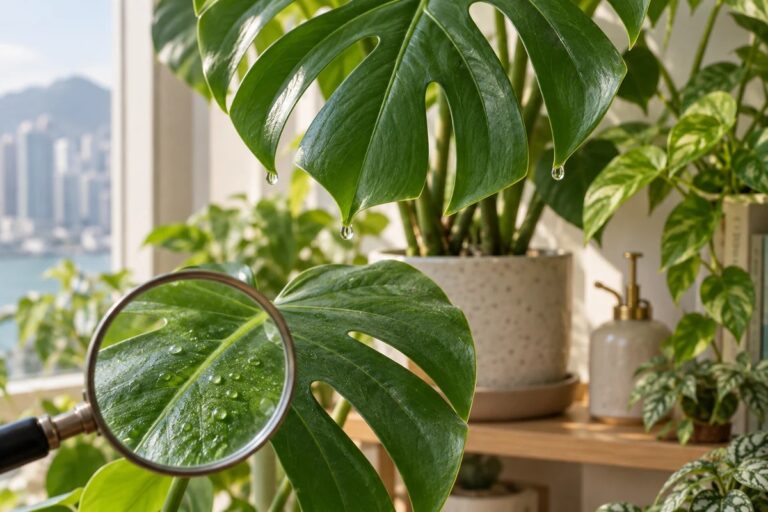
- Research suggests that large-leaved Philodendron species have a special "drainage system" — droplets forming and continuously dripping from the leaf tip (called guttation), a natural mechanism for the plant to expel excess water. Given this variegated form's especially large leaves, this phenomenon is even more noticeable — a completely normal physiological process, nothing to worry about
- In tropical horticultural culture, giant Philodendron species are seen as the ultimate symbol of "tropical ambiance," commonly found in luxury hotel lobbies, upscale restaurants, and large greenhouses. Owning a variegated giant Philodendron is not just a plant collection — it's an expression of lifestyle taste
Keywords
Variegated giant Philodendron, Philodendron gigantium variegata, Philodendron giganteum variegata, botanical name pending confirmation, giant Philodendron, marbled variegation, cream-white variegation, large foliage plant, centrepiece plant, climbing plant, sphagnum pole, rainforest plant, high-humidity plant, calcium oxalate toxic, large indoor potted plant, variegated cultivar, Plantjai, Philodendron cultivar, plant collecting
參考資料(想知來源可展開)
References
- Royal Botanic Gardens, Kew — Plants of the World Online: genus Philodendron, https://powo.science.kew.org/
- ASPCA — Toxic and Non-Toxic Plant List, https://www.aspca.org/pet-care/animal-poison-control/toxic-and-non-toxic-plants
⚠️ Contains calcium oxalate crystals; toxic to humans and pets if ingested, with potentially severe symptoms due to leaf size. Keep completely out of reach of children and pets.
Plantjai · Causeway Bay collector indoor plants · WhatsApp +852 66807550
For Hong Kong homes and offices. Stock and pricing follow the product page.
IN STORE NOW
Plants for this guide
Related plants in stock now — live prices, delivery or Causeway Bay pickup.
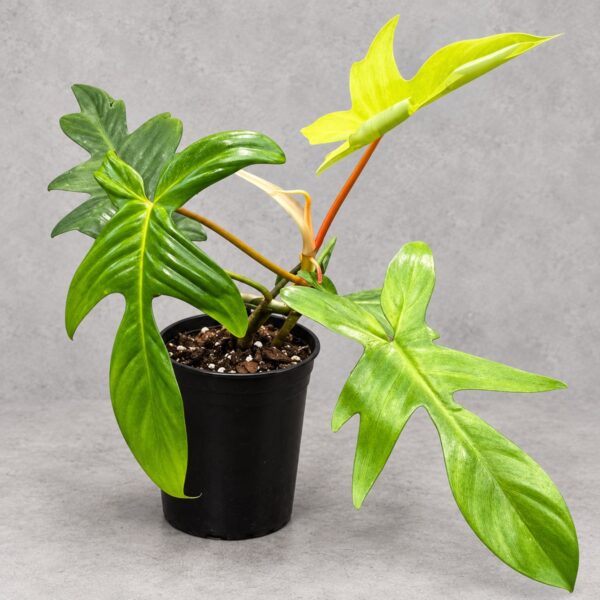
Philodendron 'Florida Ghost'
Philodendron 'Florida Ghost'
from HK$118.00
In stock · store pickup
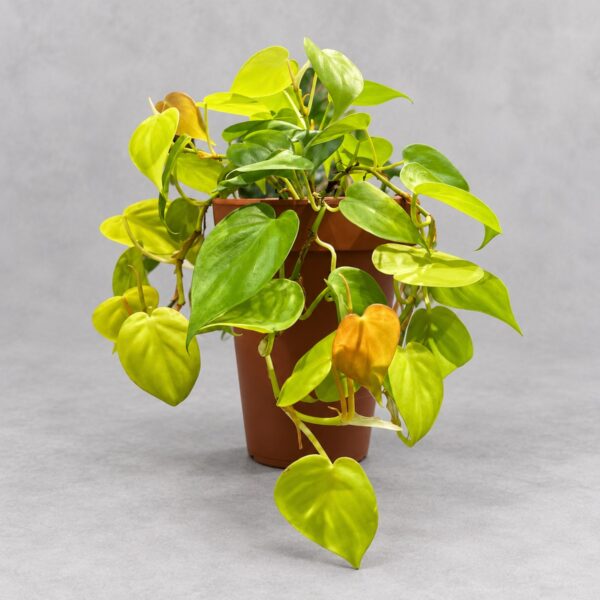
View plantPhilodendron hederaceum 'Lemon Lime'
Philodendron hederaceum 'Lemon Lime'
HK$198.00
In stock · store pickup
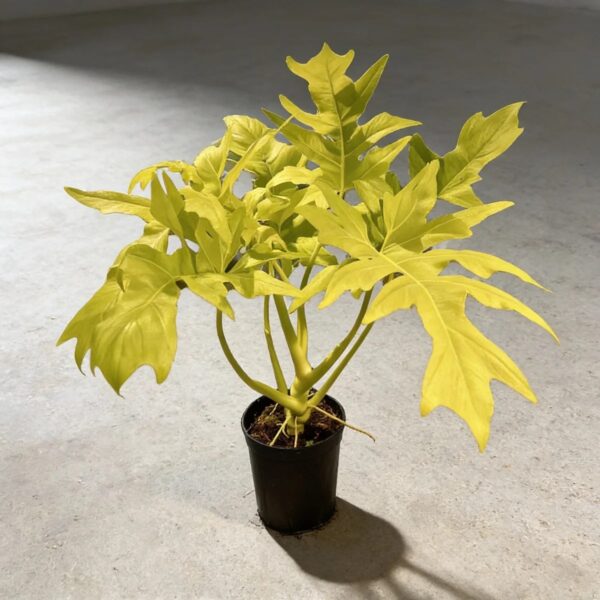
View plantPhilodendron warscewiczii 'Aurea Flavum'
Philodendron warscewiczii 'Aurea Flavum'
HK$298.00
In stock · store pickup
View plant
FREE PLANT ADVICE
Send us a photo before you change anything
WhatsApp a photo of the plant and your window light. Our Causeway Bay team will suggest care steps or plants that suit your space.
STORE · CAUSEWAY BAY
4/F, 39 Yiu Wa Street, Causeway Bay
Daily 12:30–8:00pm · ~3 min walk from Times Square
Map & directionsPlant Care