
How to Care for Philodendron Atabaposense in Hong Kong | Plantjai


Plantjai 植仔 · Care Encyclopedia
Philodendron Atabaposense
Philodendron atabaposense 小聖靈蔓綠絨
Hong Kong care guide — useful before you buy and after it arrives.
Shop this plantAn affordable alternative to the legendary "Philodendron spiritus-sancti" — with narrow, rabbit-ear-shaped leaves and stunning wine-red undersides, it's easy to grow and budget-friendly, an elegant choice even beginne…
Origin & characteristics
Philodendron atabapoense (also known as the Atabapo Philodendron, or "mini spiritus-sancti") is native to the Atabapo River basin along the border of Venezuela and Brazil in South America, growing beneath the canopy of lowland tropical rainforest. It's nicknamed "mini spiritus-sancti" because its juvenile form resembles the rare species Philodendron spiritus-sancti — though as it matures, it develops its own distinctive character.
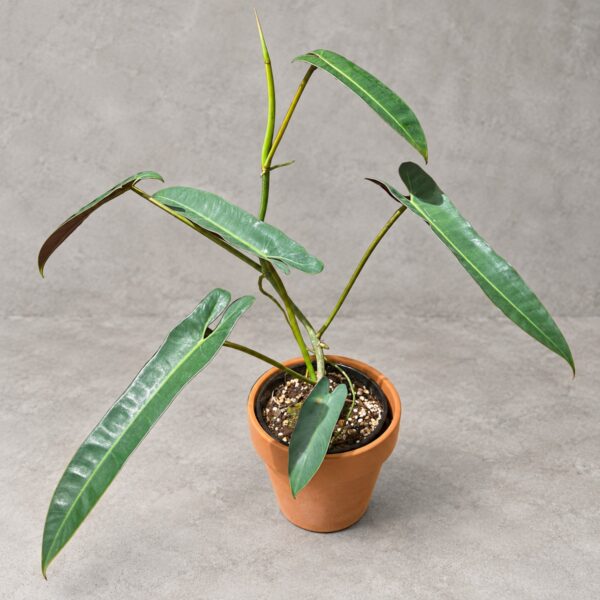
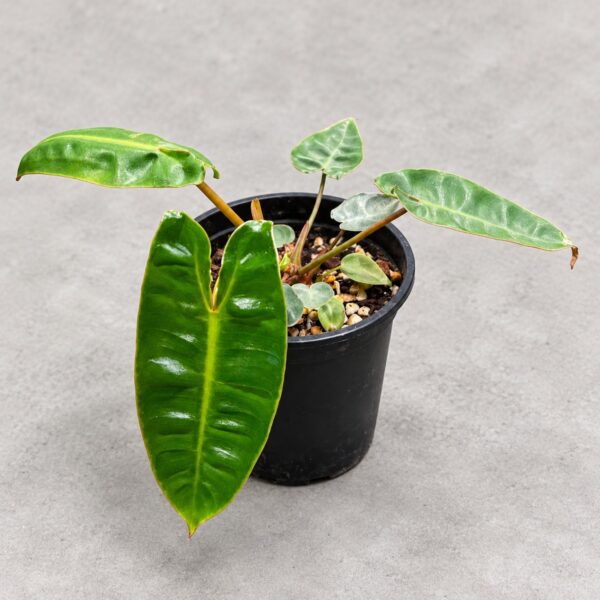
This is a perennial climbing Philodendron, a semi-epiphyte that climbs tree trunks upward in the wild. Its most distinctive feature is its narrow, rabbit-ear-shaped leaves, glossy deep green on top with a captivating wine-red underside — the two-tone contrast is highly ornamental. New leaves emerge in bronze or pale green, maturing to deep green. As a climbing species, mature plants need a support pole to display their best form.
⚠️ Toxicity warning: all Philodendron species contain calcium oxalate crystals, toxic to humans and pets. Ingestion may cause mouth irritation, swelling, drooling, and gastrointestinal discomfort. Please keep it out of reach of children and pets.
Light
This Philodendron loves bright indirect light, with slightly better shade tolerance than typical Philodendron species.
- Ideal placement: an east- or north-facing windowsill, receiving soft indirect light
- 6-8 hours of bright indirect light daily maintains rich green leaf colour and vivid wine-red undersides
- Avoid unshielded direct sun in summer, or leaves may scorch and turn yellow
- Gentle winter sun (softer intensity) in small amounts is acceptable
- Light that's too weak causes leaf colour to fade, new leaves to shrink, growth to slow, and the wine-red undersides to become dull
- A full-spectrum grow light can supplement insufficient indoor light
Watering
This Philodendron likes conditions that are lightly moist but never waterlogged, and is relatively drought-tolerant — occasionally forgetting to water won't harm it.
- Active spring/summer growth: water thoroughly once the top 2-3 cm of soil dries out, roughly every 5-7 days
- Slower autumn/winter growth: water once the soil is about half dry, roughly every 7-14 days
- Water thoroughly each time, until it drains from the base
- Test soil moisture with a finger before watering, or use a moisture meter for accuracy
- Use room-temperature tap water left standing, or filtered water, avoiding ice-cold water directly
💡 Beginner tip: this species is more drought-tolerant than typical Philodendrons — better to underwater slightly than overwater. Slightly drooping leaves signal thirst, and they usually perk back up within a few hours of watering.
Soil & pot
This Philodendron needs a well-draining, breathable medium, mimicking the loose, organic-rich topsoil of its rainforest home.
Recommended soil ratio:
- Coco coir or peat soil: 30%
- Coco husk chips or pine bark: 30%
- Perlite or pumice: 25%
- Leaf mould or compost: 15%
Pot choice:
- Must have drainage holes
- Terracotta pots offer good breathability, benefiting root respiration — the recommended choice
- Plastic pots also work, but watering frequency needs closer attention
- Moderate root growth rate — repot roughly every 1-2 years
Climbing support:
- Mature plants need a sphagnum pole or coco coir pole to climb — without it, leaves struggle to develop to their best size
- A support pole helps mimic the natural tree-climbing environment, promoting larger, more beautiful leaves
Repotting timing: spring (March-May) is the best time to repot — consider repotting when roots emerge from the drainage holes or growth clearly stalls.
Temperature & humidity
Temperature:
- Optimal growing temperature: 18°C – 27°C
- Minimum tolerance: 15°C (growth stalls if consistently below this)
- Keep room temperature above 16°C in winter
- Avoid direct AC airflow, heater vents, or windowsills with dramatic temperature swings
Humidity:
- Ideal humidity: 50% – 70%
- This Philodendron isn't overly demanding about humidity, adapting well to typical indoor conditions
- Maintaining above 60% humidity helps new leaves unfurl more smoothly with better colour
- Ways to increase humidity: use a humidifier, place a water tray nearby, group with other plants, mist the surrounding air regularly
- In dry conditions, leaf tips may become slightly crispy, but this won't seriously affect overall health
Common problems
| Symptom | Likely cause | What to do |
|---|---|---|
| Yellowing, dropping leaves | Overwatering / poor drainage causing root rot | Check roots, trim rotten roots and repot in fresh soil, reduce watering frequency |
| Crispy, dry leaf tips | Dry air / low humidity | Use a humidifier or group plants to raise local humidity |
| Small new leaves, stretched internodes | Insufficient light | Move to a brighter spot, or add a grow light |
| Fading wine-red undersides | Insufficient light / lack of nutrients | Increase light, apply diluted liquid fertiliser every 2-4 weeks during the growing season |
| Growth stalled | Temperature too low / root-bound | Confirm room temperature is above 18°C, consider a spring repot |
| Drooping, soft leaves | Underwatering / root issues | Check soil moisture — water thoroughly if too dry; check for root rot if soil is already moist |
| Scale insects or spider mites | Poor ventilation / low humidity | Wipe pests with alcohol-soaked cotton swabs, spray neem oil for severe infestations |
How to explain to customers
"This is the mini spiritus-sancti Philodendron, also known as Atabapo, named for its resemblance to the rare spiritus-sancti Philodendron. Its biggest feature is the wine-red leaf underside against deep green on top — really beautiful. It's not too difficult to care for — if you've grown a Philodendron hederaceum or a Monstera before, you can definitely handle this one too. It needs bright indirect light — avoid direct sun. For watering, let the top couple of centimetres of soil dry out before watering thoroughly — it's fairly drought-tolerant, so no need to worry too much. It's best given a pole to climb — with support, it develops larger leaves; without one, the leaves stay small, which would be a shame. Humidity of 50-70% works fine, nothing too fussy. Remember the whole plant is toxic, so keep it away from young children and pets."
Fun facts
- An affordable alternative to spiritus-sancti: this Philodendron got its "mini spiritus-sancti" nickname because its juvenile leaf shape resembles the rare Philodendron spiritus-sancti. However, as it matures, its form actually differs quite a lot — atabapoense has narrower, more elongated leaves, while spiritus-sancti's leaves are broader and more elegant.
- The Atabapo River namesake: the species epithet "atabapoense" comes from the Atabapo River along the Venezuela-Brazil border, an important upper tributary of the Orinoco River, with dense tropical rainforest lining its banks.
- The secret of the red underside: the wine-red colouring on the leaf underside is actually a protective mechanism — the red pigment (anthocyanin) absorbs excess light, protecting the underside tissue from strong light damage, while also helping deter herbivores.
- A flexible growth strategy: this Philodendron is semi-epiphytic, adapting in the wild to both ground-based and tree-based growth modes — this flexibility makes it easier to adapt to indoor cultivation than many other species.
Keywords
Philodendron atabapoense, Atabapo Philodendron, mini spiritus-sancti, wine-red leaf underside, rabbit-ear leaf shape, climbing Philodendron, bright indirect light, semi-epiphytic, drought-tolerant, well-draining soil, Araceae, toxic Philodendron, moderate difficulty, Plantjai
參考資料(想知來源可展開)
References
- Royal Botanic Gardens, Kew — Plants of the World Online: Philodendron atabapoense, https://powo.science.kew.org/
- ASPCA — Toxic and Non-Toxic Plant List, https://www.aspca.org/pet-care/animal-poison-control/toxic-and-non-toxic-plants
⚠️ Contains calcium oxalate crystals; toxic to humans and pets if ingested. Keep out of reach of children and pets.
Plantjai · Causeway Bay collector indoor plants · WhatsApp +852 66807550
Plantjai shop · In stock online
Philodendron atabaposense
Philodendron atabaposense
HK$388.00
Hong Kong delivery · Causeway Bay pickup
For Hong Kong homes and offices. Stock and pricing follow the product page.
IN STORE NOW
Plants for this guide
Related plants in stock now — live prices, delivery or Causeway Bay pickup.
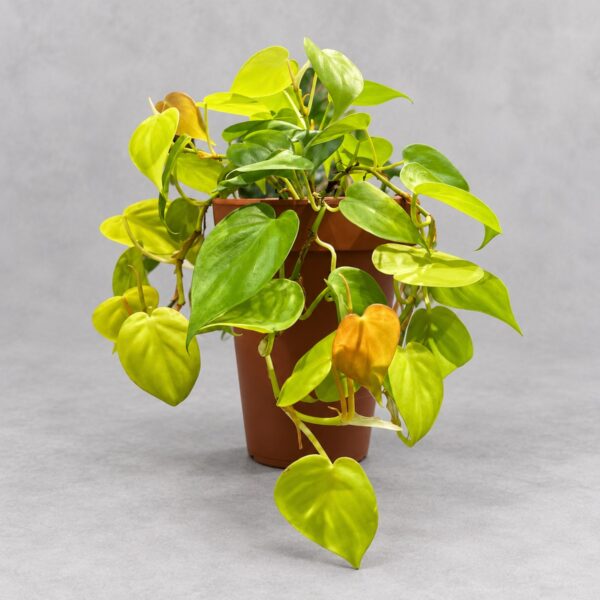
Philodendron hederaceum 'Lemon Lime'
Philodendron hederaceum 'Lemon Lime'
HK$198.00
In stock · store pickup
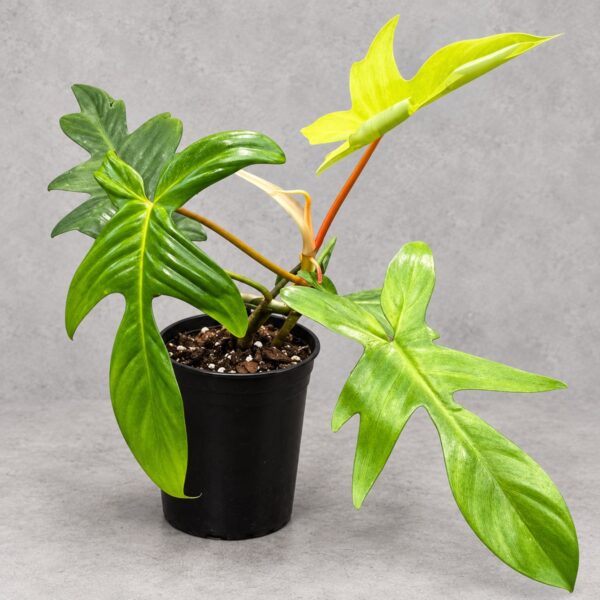
View plantPhilodendron 'Florida Ghost'
Philodendron 'Florida Ghost'
from HK$118.00
In stock · store pickup
View plant
FREE PLANT ADVICE
Send us a photo before you change anything
WhatsApp a photo of the plant and your window light. Our Causeway Bay team will suggest care steps or plants that suit your space.
STORE · CAUSEWAY BAY
4/F, 39 Yiu Wa Street, Causeway Bay
Daily 12:30–8:00pm · ~3 min walk from Times Square
Map & directionsPlant Care