
How to Care for Hoya Thomsonii White Flower in Hong Kong | Plantjai


Plantjai 植仔 · Care Encyclopedia
Hoya Thomsonii White Flower
Hoya thomsonii white flower 西藏白花毬蘭
Hong Kong care guide — useful before you buy and after it arrives.
Shop this plantVelvety fuzzy leaves paired with snow-white blooms and a quiet, elegant fragrance from the Himalayas — a "snow fairy" for your home, with an even more intoxicating scent at night.
Brand: Plantjai
Botanical name: Hoya thomsonii 'White flower'
Classification: family Apocynaceae, genus Hoya
Toxicity: non-toxic to pets (ASPCA-certified)
Origin & characteristics
The White-Flowered Tibetan Hoya is native to the eastern Himalayas, mainly distributed across southeastern Tibet and northern India at high elevations. It's a vining epiphytic plant that attaches to rocks or tree trunks in the wild.
Most eye-catching features:
- Fuzzy leaves: oval to elliptical leaves covered in a fine layer of fuzz, soft and pleasant to the touch, with a silvery-green colouring that shifts appearance under different light
- Snow-white wax flowers: star-shaped flowers with pure white petals and a pale yellow centre, waxy and slightly fuzzy on the surface, forming a hemispherical umbel
- Intense sweet fragrance: a rich, sweet scent that's even stronger at night, lasting for several days
- Winter colour change: leaves turn yellow when temperatures drop, which is a normal characteristic of this species
This species has a moderate growth rate and is a relatively easy-to-adapt rare Hoya, suited to growers with some prior experience.
Light
- Ideal position: an east- or north-facing windowsill, providing bright indirect light
- Acceptable range: can adapt to half-day sun, but prolonged insufficient light will affect flowering
- Avoid: harsh direct midday sun, especially summer afternoon sun which can scorch the leaves; prolonged placement in dim spots causes legginess and reduced flowering
- Tip: for more flowers, provide at least 2 hours of gentle indirect light daily, with morning light being most ideal
Watering
- Principle: "water when just dry" — water again once the top 2-3 cm of soil dries out
- Growing season (spring/summer): water roughly every 7-10 days, adjusted for ambient humidity
- Dormant season (autumn/winter): reduce watering frequency to roughly every 10-14 days, keeping the soil on the drier side
- Notes:
- The fuzzy leaves are more sensitive to standing water — avoid water pooling at the leaf centre
- This species is more sensitive to hard water (tap water with high mineral content) — filtered water or water left to sit overnight is recommended
- Better to underwater slightly than overwater — root rot is the most common problem
- Pay special attention during Hong Kong's humid season, and consider bottom-watering
How to check: gently pinch a leaf — if it feels soft, it needs watering; if firm, there's enough moisture.
Soil & pot
- Soil recipe: needs an extremely fast-draining, breathable mix. Recommended recipe:
- 40% coco chips
- 30% quality potting soil
- 20% perlite
- 10% activated charcoal
- Simple version: orchid mix combined with perlite (roughly 7:3 ratio)
- Pot choice:
- A smaller pot is recommended, since Hoyas like being slightly pot-bound, which encourages flowering
- Drainage holes are essential, either plastic or terracotta pots work
- No need to rush repotting, usually only necessary every 2-3 years
- pH: slightly acidic to neutral (roughly 6.0-7.0)
Temperature & humidity
| Item | Ideal range | Minimum |
|---|---|---|
| Growing temperature | 21-28°C | Never below 13°C in winter |
| Humidity | 50-70% | Never below 40% |
- Temperature: prefers warm conditions and grows vigorously in summer; enters semi-dormancy in winter, and leaves may turn yellow (this is normal)
- Humidity: high humidity supports growth — place a small water tray near the plant or mist periodically (avoiding the leaf centre)
- Note: avoid placing near AC vents or heaters, since dramatic temperature swings can cause buds to drop
Common problems
| Issue | Likely cause | What to do |
|---|---|---|
| Yellowing leaves (winter) | Normal response to cold conditions | No cause for concern — it will recover in spring |
| Yellowing leaves (summer) | Overwatering causing root rot | Check roots, reduce watering frequency, ensure good drainage |
| Wrinkled, soft leaves | Underwatering | Water promptly |
| Scorched leaf edges | Excessive sun or water too hard | Move to a shadier spot, switch to filtered water |
| Won't flower | Insufficient light or plant too young | Increase light, be patient (usually takes 2-3 years to flower) |
| Bud drop | Moving the pot or dramatic temperature swings | Avoid moving the pot during flowering, keep the environment stable |
| White cottony pests | Mealybugs | Wipe with an alcohol-soaked cotton swab, or spray with neem oil |
How to explain to customers
"This White-Flowered Tibetan Hoya is a fairly rare species, native to the Himalayas. What's most special is its fuzzy leaves, so soft to the touch, and when it flowers, the blooms are as white as snow-capped mountains, with an intense sweet fragrance at night. It's not too difficult to care for — just remember not to let it sit in harsh midday sun, water once the soil has dried out, and water even less in winter. Don't repot into too large a pot — a smaller pot actually encourages flowering more easily. It's non-toxic to cats and dogs, so it's safe to keep at home. Just note that its leaves may turn a bit yellow in winter, which is normal — they'll green up again come spring."
Fun facts
- A fragrance from the snowy realm: the White-Flowered Tibetan Hoya is native to higher elevations in the Himalayas, making it more cold-tolerant than tropical Hoyas, though it still needs a certain level of humidity
- The secret of the fuzz: the fuzz on the leaves and flowers isn't just decorative — in its native environment, it helps collect moisture from the air, an evolutionary adaptation to high-altitude conditions
- Reusing peduncles: like other Hoyas, never cut off the peduncle after flowering, since it will produce new buds again the following year — a plant that "remembers" its past
- Fleeting beauty: although the fragrance is rich and captivating, each flower only lasts about 3-5 days, so be sure to savour the moment while it blooms
Keywords
White-Flowered Tibetan Hoya, Hoya thomsonii, White flower, Hoya, fuzzy leaves, snow-white wax flowers, Himalayas, epiphyte, Apocynaceae, half-day sun, high humidity, water when just dry, non-toxic to pets, Plantjai, rare species, intense fragrance, night-time fragrance, winter leaf yellowing, small pot growing, well-draining breathable soil, mealybug prevention
參考資料(想知來源可展開)
References
- Royal Botanic Gardens, Kew — Plants of the World Online: Hoya thomsonii, https://powo.science.kew.org/
- ASPCA — Toxic and Non-Toxic Plant List, https://www.aspca.org/pet-care/animal-poison-control/toxic-and-non-toxic-plants
⚠️ Non-toxic to cats and dogs; sap may cause mild skin irritation in sensitive individuals.
Plantjai · Causeway Bay collector indoor plants · WhatsApp +852 66807550
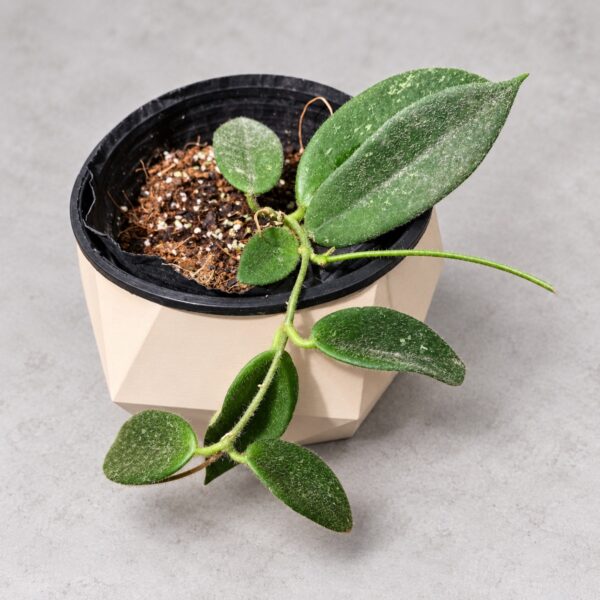
Plantjai shop · In stock online
Hoya thomsonii white flower
HK$128.00
Hong Kong delivery · Causeway Bay pickup
For Hong Kong homes and offices. Stock and pricing follow the product page.
IN STORE NOW
Plants for this guide
Related plants in stock now — live prices, delivery or Causeway Bay pickup.
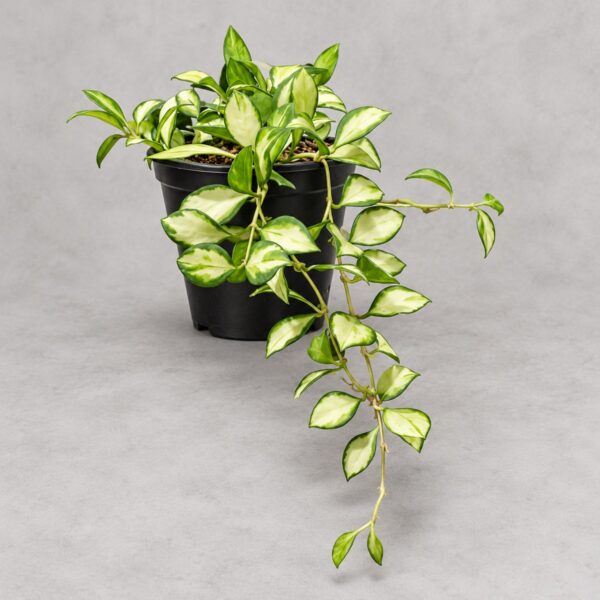
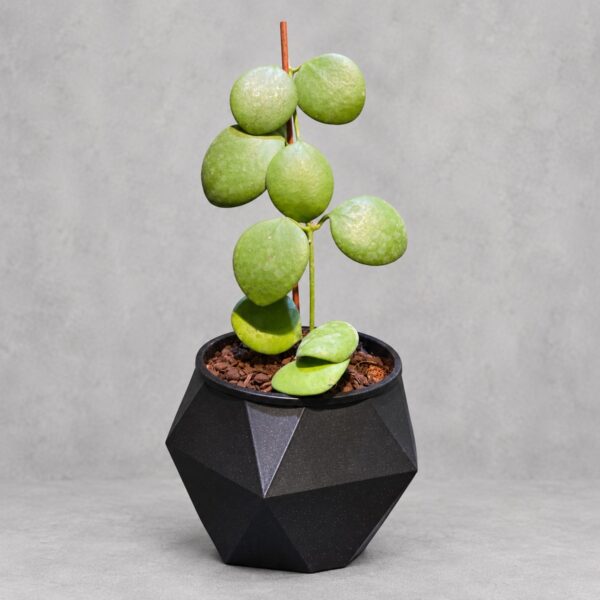
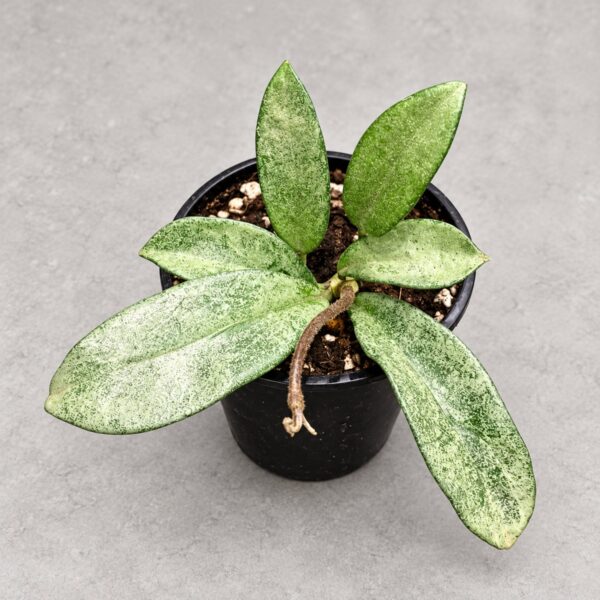
FREE PLANT ADVICE
Send us a photo before you change anything
WhatsApp a photo of the plant and your window light. Our Causeway Bay team will suggest care steps or plants that suit your space.
STORE · CAUSEWAY BAY
4/F, 39 Yiu Wa Street, Causeway Bay
Daily 12:30–8:00pm · ~3 min walk from Times Square
Map & directionsPlant Care