How to Care for Hoya Ruthiae in Hong Kong | Plantjai

Plantjai 植仔 · Care Encyclopedia
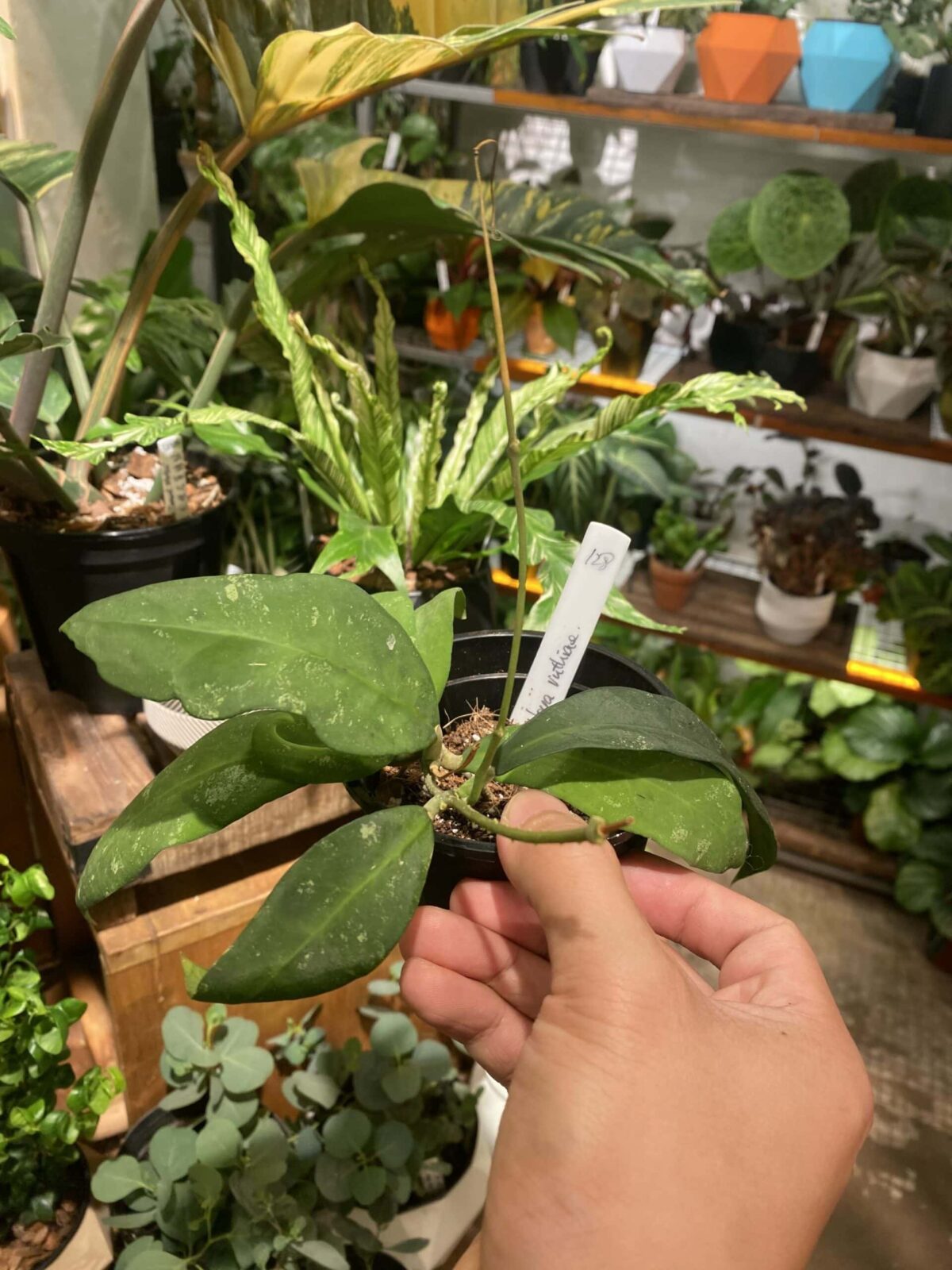
Hoya Ruthiae
Hong Kong care guide — useful before you buy and after it arrives.
Shop this plantOnly discovered on the limestone cliffs of Borneo in 2015, this extremely rare species develops an intoxicating red blush under strong light, and releases a sweet honeyed fragrance when flowering — a dream find for ad…
Origin & characteristics
- Native range: limestone cliffs in Sarawak, Malaysian Borneo
- Discovery history: formally described and published in 2015 by Italian botanist Michele Rodda; the species epithet "ruthiae" commemorates renowned Malaysian botanist Dr. Ruth Kiew
- Growth habit: a lithophytic climbing vine that grows on vertical limestone cliffs in the wild; when grown indoors, stems are relatively thin and growth is slow
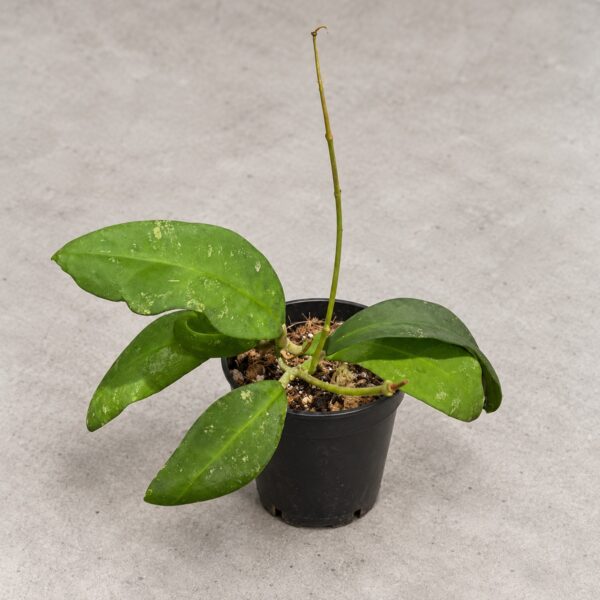
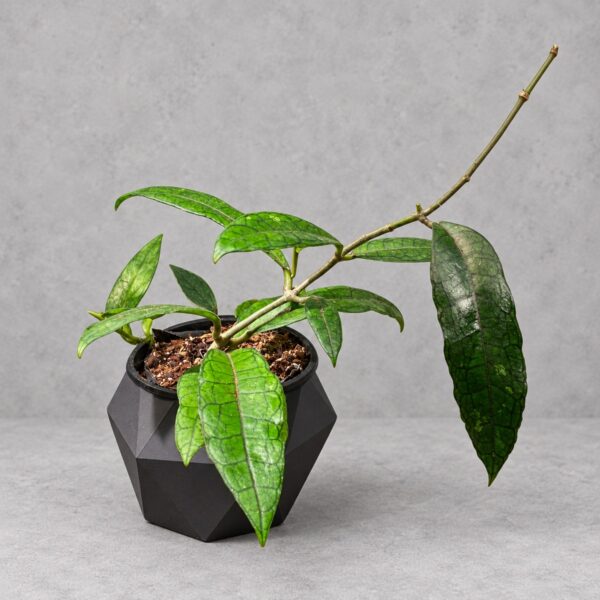
- Leaf characteristics: lance-shaped, glossy leaves, about 7–15 cm long; leaves develop a red or pink blush under strong light, which is quite striking; leaf surfaces bear pale small spots
- Flowering characteristics: small, delicate flowers, umbel clusters of up to 20 blooms; corolla is white to pale pink, with a yellow or purplish-red centre, carrying a sweet, nectar-like fragrance
- Toxicity: non-toxic to pets — completely safe
- Mature size: vines can reach about 1 metre at most, a relatively small Hoya species
Light
- Ideal light: bright indirect light or dappled light, an east-facing window is most ideal; sufficient light brings out the most beautiful red blush on the leaves
- The secret to red blush: to encourage red colouring, provide fairly strong indirect light, but absolutely avoid harsh midday direct sun
- Notes: insufficient light keeps the leaves purely green and slows growth further; rotate the pot periodically for even light exposure
Watering
- Watering frequency: roughly every 7–10 days in spring/summer; roughly every 10–14 days in autumn/winter
- Checking method: water once the soil is dry roughly 2–3 cm below the surface — never let the soil stay wet for extended periods
- Watering method: water thoroughly until it drains from the base, absolutely avoiding standing water
- Special reminder: native to a limestone environment with excellent drainage, Hoya ruthiae is highly sensitive to standing water; better slightly underwatered than overwatered, and a breathable pot is especially important
Soil & pot
- Soil recipe: must be extremely fast-draining and breathable, try — 3 parts orchid bark + 2 parts perlite + 1 part pumice + a little sphagnum moss (1 part); use a high proportion of chunky material to mimic its native rocky environment
- pH: 6.0–7.5 (slightly acidic to slightly alkaline is fine — native to limestone regions, it tolerates slight alkalinity well)
- Pot choice: strongly recommend a perforated terracotta pot, orchid net pot, or hanging basket; the roots need abundant air circulation and aren't suited to enclosed containers
- When to repot: roughly every 2–3 years; given its slow growth, repotting frequency can be lower; if mounted on a sphagnum pole or bark board (mimicking its native environment), it may not need repotting for even longer
Temperature & humidity
- Ideal temperature: 18–28°C, never below 16°C in winter; fairly sensitive to cold
- Humidity requirement: 50–80% is ideal — native to humid forest environments, it grows better with higher humidity
- Humidity tips: can be placed in a bathroom (if light is sufficient), kitchen, or other higher-humidity spots; or occasionally mist the surrounding air to raise humidity
- Winter notes: pay special attention to keeping it warm in winter, away from AC vents and cold window drafts; reduce watering frequency to roughly every 2–3 weeks
Common problems
| Issue | Likely cause | What to do |
|---|---|---|
| No red blush / leaves staying pure green | Insufficient light | Move to a brighter spot, increase indirect light intensity |
| Scorched leaf tips | Humidity too low or water too hard | Raise ambient humidity; switch to filtered water or rainwater for watering |
| Wrinkled leaves | Underwatering or root damage | Check soil moisture and water promptly; if soil is moist but leaves are wrinkled, check for root rot |
| Extremely slow growth / prolonged stalling | Normal, or unsuitable environment | Hoya ruthiae naturally grows slowly; be patient if conditions are suitable |
| Root rot | Overwatering or non-breathable soil | Stop watering immediately, trim rot and check roots, repot in a more breathable chunky mix |
How to explain to customers
"Hoya ruthiae is an extremely rare species, only discovered on the limestone cliffs of Borneo in 2015 — quite the newcomer to the plant world! What's most special about it is how the leaves turn red under strong light, really beautiful. Since it's native to rocky terrain, use a very fast-draining, breathable soil, and remember not to overwater it. It's completely harmless to pets. Although it grows slowly, watching it gradually become more beautiful is such a rewarding experience!"
Fun facts
- Only discovered in 2015: Hoya ruthiae is a species only recently recognised by science, described by Italian botanist Michele Rodda in 2015 — a true "rising star" in the Hoya world.
- Honouring a botanist: the species name "ruthiae" honours renowned Malaysian female botanist Dr. Ruth Kiew for her significant contributions to Southeast Asian botanical research.
- A lithophytic Hoya: most Hoyas grow epiphytically on trees, but Hoya ruthiae is native to vertical limestone cliffs, making it a lithophyte — relatively uncommon within the genus.
- Good things take time: although Hoya ruthiae grows slowly, once it adapts to its environment and flowers, its delicate blooms and enchanting sweet fragrance are absolutely worth the wait.
Keywords
Plantjai Hoya Hoya ruthiae rare species Borneo lithophytic Hoya red leaves non-toxic to pets non-toxic plant indoor plant foliage plant flowering plant advanced species low maintenance Hong Kong plants collector grade
參考資料(想知來源可展開)
References
- Rodda, M. (2015). "A new species of Hoya (Apocynaceae, Asclepiadoideae) from Sarawak, Malaysian Borneo." Gardens' Bulletin Singapore.
- Royal Botanic Gardens, Kew — Plants of the World Online: Hoya ruthiae, https://powo.science.kew.org/
- ASPCA — Toxic and Non-Toxic Plant List, https://www.aspca.org/pet-care/animal-poison-control/toxic-and-non-toxic-plants
⚠️ Non-toxic to cats and dogs.
Plantjai · Causeway Bay collector indoor plants · WhatsApp +852 66807550
For Hong Kong homes and offices. Stock and pricing follow the product page.
IN STORE NOW
Plants for this guide
Related plants in stock now — live prices, delivery or Causeway Bay pickup.
FREE PLANT ADVICE
Send us a photo before you change anything
WhatsApp a photo of the plant and your window light. Our Causeway Bay team will suggest care steps or plants that suit your space.
STORE · CAUSEWAY BAY
4/F, 39 Yiu Wa Street, Causeway Bay
Daily 12:30–8:00pm · ~3 min walk from Times Square
Map & directionsPlant Care