How to Care for Hoya Endauensis in Hong Kong | Plantjai

Plantjai 植仔 · Care Encyclopedia
Hoya Endauensis
Hong Kong care guide — useful before you buy and after it arrives.
Shop this plantA rare species from Malaysia's pristine rainforest — compact, distinctively shaped, and highly collectible, this is a dream pick for advanced plant enthusiasts.
Brand: Plantjai
Classification: genus Hoya
Toxicity: non-toxic to pets — no worries if cats or dogs nibble it
Origin & characteristics
Native range: the rainforests around Endau-Rompin National Park in Johor, Peninsular Malaysia — the species name comes directly from the "Endau" river that runs through the discovery site.
Plant characteristics:
- A small to medium-sized Hoya — compact and won't take up much space
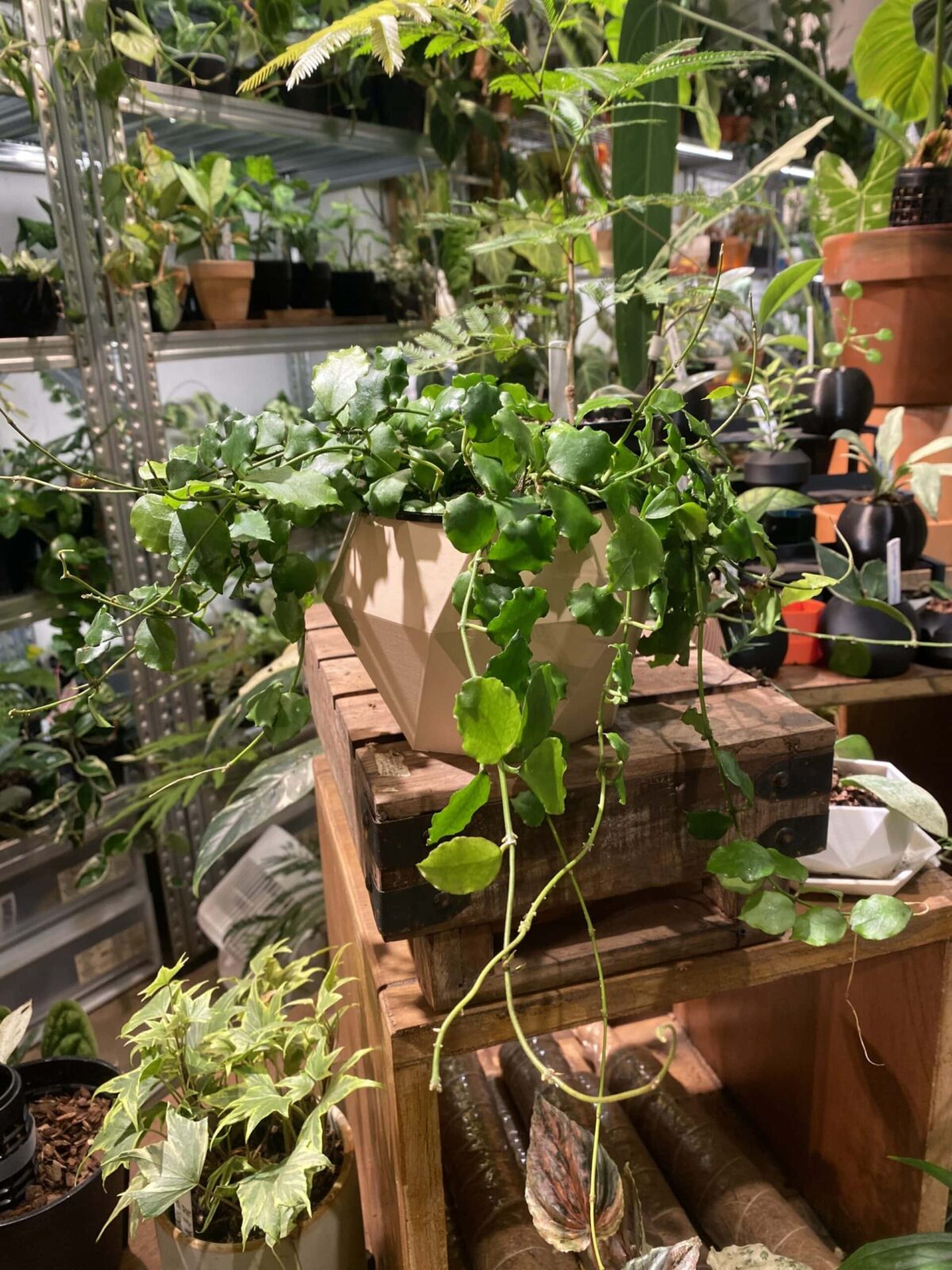
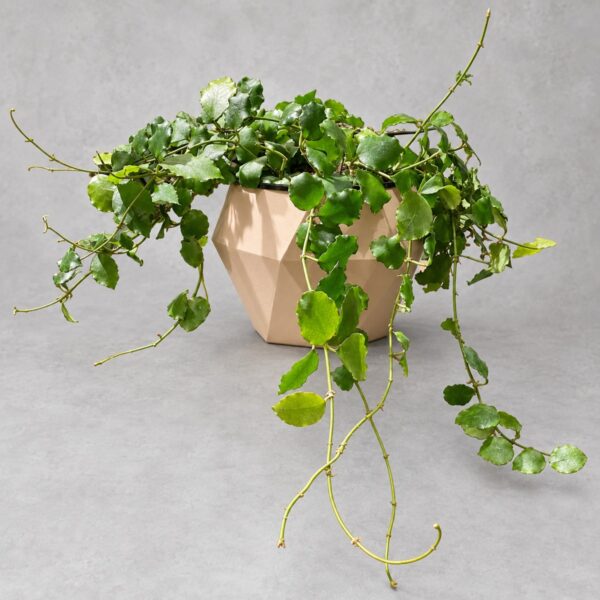
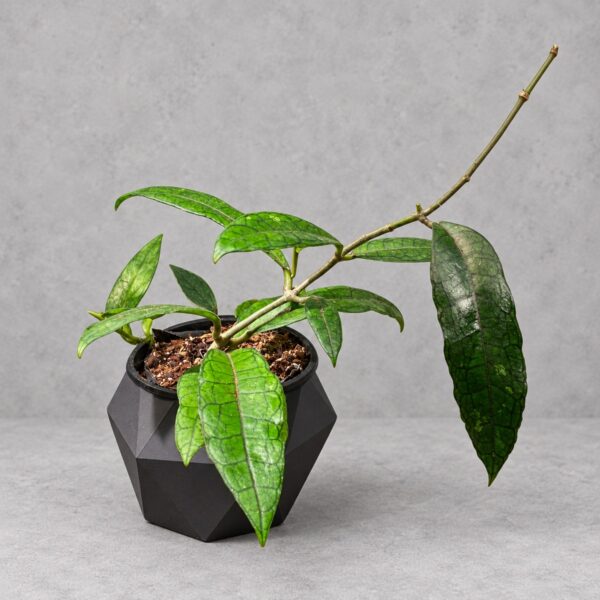
- Leaves are typically oval or obovate, with a distinctive texture or a faint fuzz (varies by individual)
- Climbing growth habit, with thin but tough vines
- Delicate flowers form small clusters at the leaf axils
- Moderate growth rate — it won't sprawl wildly like some other species
- In the wild, it typically grows in the understory, clinging to trees or rocks
- As habitat continues to shrink, wild populations are limited, making it a fairly rare species
Light
- Bright indirect light is best, mimicking the light conditions of its native forest understory
- An east-facing window, or a south/west-facing window filtered by a sheer curtain, works well
- Avoid harsh direct sun, especially at midday, which easily scorches the leaves
- If light is too weak, leaves become thinner, paler, and internodes stretch out
- Rotate the pot gently every 2–3 weeks for even light exposure
Watering
- Follow the "dry before you water" principle: let the top 2–3 cm of soil dry out before watering
- Roughly every 7–10 days in summer, extending beyond 14 days in winter
- Water thoroughly until it drains from the base
- Never let water pool at the base — this species has delicate roots and is especially prone to root rot
- In particularly dry weather, a light mist of the leaves occasionally helps raise humidity (avoid midday)
Soil & pot
Soil recipe:
- Prioritise drainage and aeration, suggested recipe:
- 2 parts succulent or orchid mix
- 1 part perlite or pumice (for aeration)
- 1 part coconut husk chips or orchid bark (mimicking its natural epiphytic environment)
- A little charcoal chips or bark can be added to boost aeration and inhibit bacteria
Choosing a pot:
- Terracotta or breathable mesh pots are ideal
- Drainage holes are essential
- This species prefers being slightly pot-bound — don't rush to repot, roughly every 2–3 years is enough
- Size up by just one pot size when repotting — an oversized pot risks standing water and root rot
- Pair with a small trellis or U-shaped bamboo frame if you want to show off its climbing habit
Temperature & humidity
- Ideal temperature: 18–28°C — comfortable room temperature suits it well
- Minimum tolerance: around 12°C; below that risks cold damage, so try to keep it above 15°C
- Humidity: 50–70% is ideal, reflecting its native high-humidity rainforest habitat
- Ways to raise humidity:
- Set on a pebble water tray (keeping the pot base clear of the water)
- Group with other plants to create a locally humid microclimate
- Occasional light misting of the leaves (in the morning)
- Use a humidifier if indoor air stays dry long-term
- Avoid direct cold drafts, including AC vents and gaps around doors/windows
Common problems
| Issue | Likely cause | What to do |
|---|---|---|
| Yellowing, soft, dropping leaves | Overwatering / root rot | Stop watering immediately, check roots, trim rot and repot in fresh, fast-draining soil |
| Wrinkled, dull leaves | Underwatering or humidity too low | Soak the pot to rehydrate, then adjust watering frequency and raise ambient humidity |
| Stalled growth, dull leaf colour | Insufficient light or too cold | Move to a brighter, warmer spot away from AC vents |
| Brown leaf tips | Water too hard / fertiliser too concentrated | Switch to filtered water or rainwater, dilute fertiliser to half strength |
| Leggy vines, widely spaced leaves | Severe light deficiency | Move to bright indirect light as soon as possible |
| Powdery white substance on leaves | Mealybugs | Dab off individually with an alcohol-soaked cotton swab; use neem oil for serious infestations |
How to explain to customers
"This Hoya endauensis is a fairly rare species, native to the tropical forests of Malaysia — it's actually named after the Endau river where it was discovered. It's a compact plant that won't take up much space, perfect if you have limited room at home but want something a bit special. It grows at a moderate pace, so it won't outgrow its pot quickly. Just remember: let it dry out before watering, and keep humidity on the higher side. It's non-toxic to cats and dogs, so you can grow it worry-free. Since wild numbers are limited, it's a genuinely collectible plant that advanced growers really love!"
Fun facts
- Named after its location: the species name Hoya endauensis comes from the Sungai Endau (Endau River) region in Johor, Malaysia — an area home to some of the Malay Peninsula's oldest rainforest, with immense ecological value.
- A national park treasure: its native habitat, Endau-Rompin National Park, is one of Malaysia's most important nature reserves, containing primary rainforest over 100 million years old and home to countless rare species of flora and fauna.
- Rarity commands a premium: as its native habitat continues to shrink, and given the challenges of propagation, Hoya endauensis has limited availability in the international plant trade, making it a genuinely "sought-after" collector-grade species among enthusiasts in Asia and the West alike.
Keywords
Hoya endauensis, Endau-Rompin, Malaysian Hoya, rare Hoya, collector-grade plant, non-toxic, pet-friendly, small to medium Hoya, tropical rainforest plant, indirect light, high humidity, well-draining soil, dry-then-thorough watering, Plantjai
參考資料(想知來源可展開)
References
- Royal Botanic Gardens, Kew — Plants of the World Online: Hoya endauensis, https://powo.science.kew.org/
- ASPCA — Toxic and Non-Toxic Plant List, https://www.aspca.org/pet-care/animal-poison-control/toxic-and-non-toxic-plants
⚠️ Non-toxic to cats and dogs; sap may cause mild skin irritation in sensitive individuals.
Plantjai · Causeway Bay collector indoor plants · WhatsApp +852 66807550
For Hong Kong homes and offices. Stock and pricing follow the product page.
IN STORE NOW
Plants for this guide
Related plants in stock now — live prices, delivery or Causeway Bay pickup.
FREE PLANT ADVICE
Send us a photo before you change anything
WhatsApp a photo of the plant and your window light. Our Causeway Bay team will suggest care steps or plants that suit your space.
STORE · CAUSEWAY BAY
4/F, 39 Yiu Wa Street, Causeway Bay
Daily 12:30–8:00pm · ~3 min walk from Times Square
Map & directionsPlant Care