

The Healing Power of Plants: Scientific Evidence for Horticultural Therapy and Mental Health

Introduction
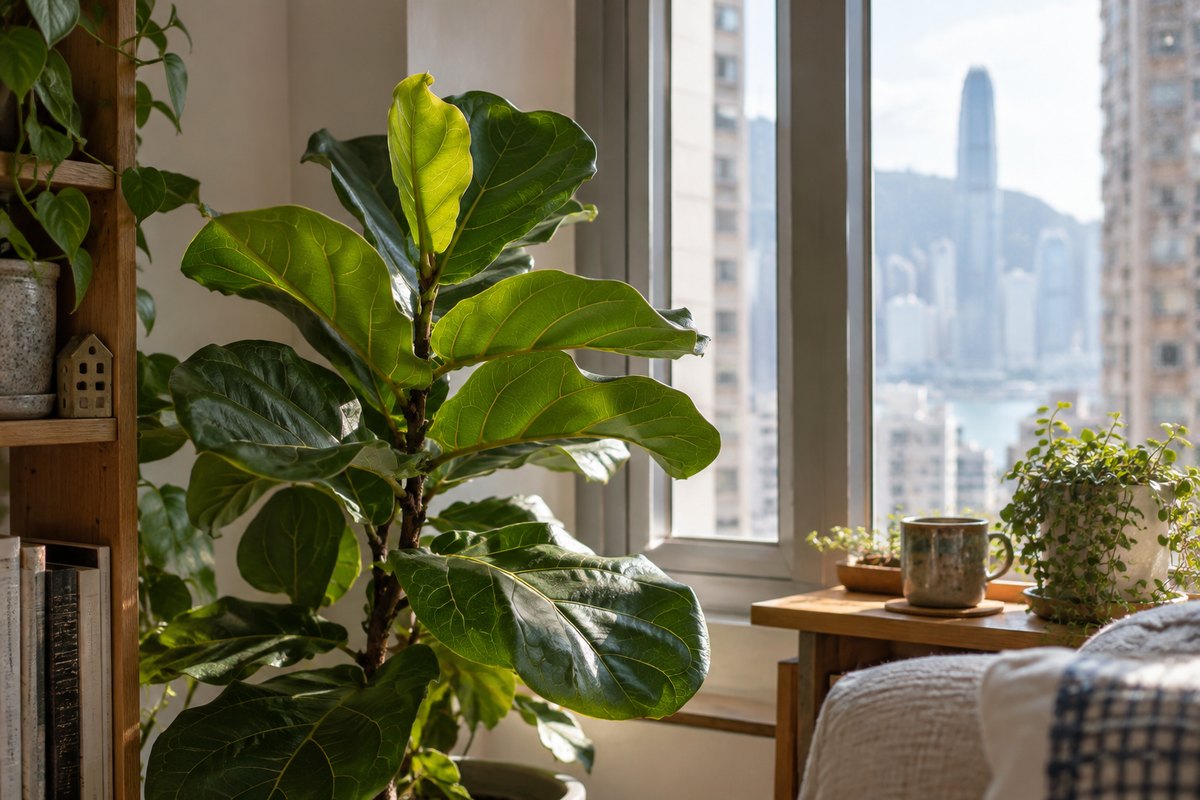
A mid-afternoon in Central, Hong Kong. Glass facades reflect blinding sunlight, and the subway crowd presses against your shoulders. You drag your exhausted body back to your sub-400-square-foot unit, open the door—and then you see it. The leaves of that fiddle-leaf fig by the window gently sway in the breeze, and a tender new leaf is slowly unfurling. You take a deep breath. You feel better.
This isn’t an illusion. It’s science.
Welcome back to the Specimen Archive. I’m the curator. Today I want to discuss a topic very close to my heart: the real impact of plants on mental health. From ancient healing gardens to modern neuroscience research, the evidence has become overwhelming—plants are not merely decoration; they are our silent therapists in this high-pressure city.
Horticultural Therapy: From Ancient Egypt to Modern Psychiatry
Rediscovering Millennia-Old Wisdom
The idea of using plants to heal the mind is nothing new. As far back as ancient Egypt, physicians would have anxious patients walk in gardens. Medieval European monastery courtyards were planted with medicinal herbs, not just for physical healing but to calm the monks’ spirits. By the late 19th century, American psychiatrist Benjamin Rush—also a signer of the Declaration of Independence—officially documented the positive effects of gardening activities on psychiatric patients and is recognized as a pioneer of modern horticultural therapy.
But horticultural therapy truly became a systematic discipline after World War II. Many returning soldiers suffered from severe post-traumatic stress disorder (PTSD), with traditional drug treatments showing limited effectiveness. American veterans’ hospitals began introducing gardening activities and discovered that these soldiers, who had fought in trenches, showed significantly reduced anxiety, improved sleep quality, and even a willingness to engage in conversation while growing vegetables and flowers.
These observations eventually gave birth to a new professional field. Today, the American Horticultural Therapy Association (AHTA) defines horticultural therapy as “the engagement of a trained professional in using plants and gardening activities to achieve specific therapeutic goals.”
Scientific Evidence: How Plants Change Your Brain
Lowering Stress Hormones: The Cortisol Decline Curve
Let’s start with hard science. In 2006, a landmark study from Wageningen University in the Netherlands had subjects perform a stress-inducing task, then engage in one of two activities: reading or gardening. Cortisol levels (the body’s primary stress hormone) were measured after 30 minutes.
The results were surprising: the gardening group showed significantly greater cortisol reduction than the reading group. Beyond the numbers, the gardening group also reported stronger feelings of subjective relaxation and positive emotions.
What does this mean? It means that touching soil, trimming branches, and observing growth—these seemingly simple actions—can genuinely lower your body’s stress index. In a city like Hong Kong, where stress levels remain chronically high, this finding carries special significance.
A Green Prescription for Anxiety and Depression
A 2017 systematic review published in the Journal of Psychiatric Research analyzed 22 studies on the effects of gardening interventions on mental health. The conclusion was that gardening activities had a “moderate to significant” effect on reducing anxiety and depression symptoms, and this effect was observed across different age groups and cultural backgrounds.
Another UK study tracked over a thousand participants for five years and found that people who regularly engaged in gardening activities had approximately 36% lower incidence of depression symptoms compared to non-gardeners.
I’m not saying plants can replace professional psychotherapy or medication. But as a complementary therapy, their effects are supported by too much scientific evidence to ignore.
Enhancing Focus and Memory
Here’s an interesting concept called Attention Restoration Theory (ART), proposed by psychologists Rachel Kaplan and Stephen Kaplan. They argue that humans have two types of attention: “directed attention” used for focused work, and “involuntary attention” automatically drawn to interesting things in nature.
When we use directed attention for extended periods—say, eight hours at a computer—this attention fatigues, leading to decreased efficiency, more errors, and irritability. Exposure to natural environments, particularly observing plants, allows directed attention to rest and recover.
Experiments have proven this. In 2008, University of Michigan researchers found that just a 50-minute walk in a park significantly improved participants’ performance on memory tests. The control group who walked on city streets showed no such improvement.
This is why you should have a plant on your desk. It’s not just decoration; it’s your attention charging station.
The Productivity Miracle of Office Plants
Japanese researchers conducted a striking experiment in 2014: they placed plants in a large corporate office and measured employee performance. The results showed that when plants were introduced, employee focus improved, self-reported fatigue decreased, and most surprisingly—productivity increased by about 15%.
Fifteen percent! That’s equivalent to every employee gaining an extra hour of productive work time per day. All because of an extra Pothos or Snake Plant on the desk.
Caring for Plants: A Living Mindfulness Practice
The Psychological Cycle of Responsibility and Achievement
Caring for plants is similar to caring for a pet in one way—they’re alive, and they need you. When you check soil moisture each morning, fertilize weekly, and observe new leaf growth, you’re building a sense of responsibility. This sense of responsibility is particularly important for psychological recovery, especially for those experiencing depression; the feeling of being needed is a powerful tonic.
And when you see a new leaf unfurl, roots emerging from drainage holes, or the first flower bloom—that sense of achievement is real and concrete. In a world full of uncertainty, plants give you a predictable return on growth.
Mindfulness in the Present: Gardening as Natural Meditation
Mindfulness is one of the hottest concepts in mental health in recent years. Simply put, it means “focusing on the present moment with non-judgmental awareness.”
Gardening activities naturally possess the qualities of mindfulness. When trimming leaves, your attention is completely focused on the point where scissors meet the leaf vein. When checking roots, you have no mental bandwidth left for that email from your boss. Your breathing slows, your heartbeat steadies, and you enter a state similar to meditation.
Many horticultural therapists call this state “Green Meditation.” No need to sit cross-legged, no need to close your eyes and chant—just a plant and your hands. That’s enough.
Special Significance for Hong Kong: A Green Haven in a High-Pressure City
Hong Kong consistently ranks among the world’s highest-stress cities. Cramped living spaces, long working hours, and high costs of living keep many people in a chronic state of stress. Compounding the problem, Hong Kong residents have extremely limited access to nature—surveys show over 60% of Hong Kong citizens spend less than two hours per week in green spaces.
This is why indoor plants carry special significance in Hong Kong. When you can’t visit country parks every day, that plant by your window is your only connection to nature. It reminds you that in this concrete jungle, life is still breathing, still growing, still reaching for the light.
Recommended Therapeutic Foliage Plant Varieties
If you’d like to start using plants to heal yourself, here are my curated recommendations from the Specimen Archive:
For Beginners (Low Maintenance, High Reward):
– Snake Plant (Dracaena trifasciata): Nearly impossible to kill; gives you a full sense of accomplishment
– Pothos (Epipremnum aureum): Fast-growing; watching it trail is deeply soothing
– Rubber Plant (Ficus elastica): Thick, substantial leaf texture excellent for “touch therapy”
For Those Needing Enhanced Focus:
– Monstera (Monstera deliciosa): Richly patterned fenestrated leaves perfect for brief meditative gazing
– Fiddle-Leaf Fig (Ficus lyrata): Elegant tree form induces a sense of calm
For Those Needing Strong Achievement Feedback:
– Anthurium (Anthurium spp.): Long-lasting blooms; vibrant spathes lift your mood daily
– Begonia (Begonia spp.): Wide variety; easy to propagate for those who enjoy hands-on activity
Conclusion: Let Plants Be Your Therapist
I know that in this city, everyone is looking for ways to decompress. Yoga, meditation, travel, even just a good night’s sleep. But I want to tell you that there’s a therapist who doesn’t require appointments, doesn’t charge fees, and won’t judge you—it stands quietly by your window, and with the unfurling of a new leaf, tells you: everything is going to be okay.
Horticultural therapy is not mysticism; it’s a scientifically validated, practical mental health tool. Starting today, add a plant to your space. Not for Instagram, not to follow trends—for yourself.
If you’d like to find your perfect “green therapist,” browse our species catalog at [plantjai.com](https://plantjai.com), or visit the Specimen Archive in person at 4/F, Nam Hing Fong, 39 Yiu Wa Street, Causeway Bay. I’ll personally select a plant to accompany you through every busy day in this city.
IN STORE NOW
Plants for this guide
Related plants in stock now — live prices, delivery or Causeway Bay pickup.
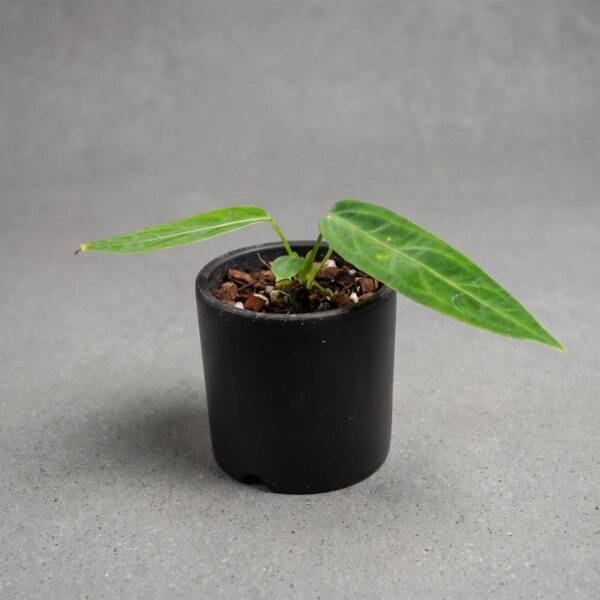
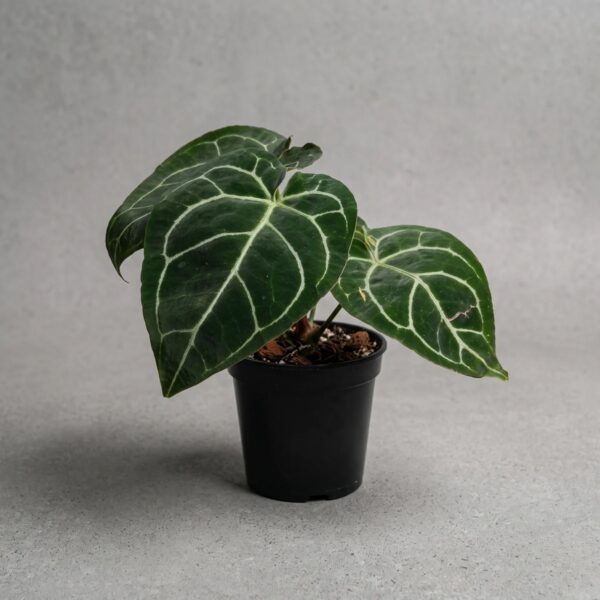
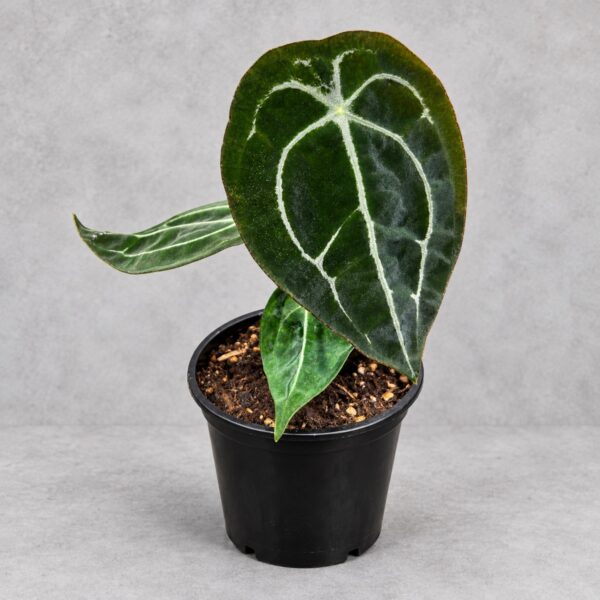
Anthurium crystallinum
Anthurium crystallinum
Original price was: HK$780.00.HK$380.00Current price is: HK$380.00.
In stock · store pickup
View plant
FREE PLANT ADVICE
Send us a photo before you change anything
WhatsApp a photo of the plant and your window light. Our Causeway Bay team will suggest care steps or plants that suit your space.
STORE · CAUSEWAY BAY
4/F, 39 Yiu Wa Street, Causeway Bay
Daily 12:30–8:00pm · ~3 min walk from Times Square
Map & directions