

The Mystery of Blooming: What Secrets Lie Hidden in the Flowers of Foliage Plants?

Introduction
Many visitors to the Specimen Archive point to a beautifully leafed foliage plant and ask me: “Does this flower?” Their tone carries equal parts curiosity and skepticism, as if to say—this thing looks so cool, could it possibly have more tricks up its sleeve?
My answer is usually: Yes. Not only do they flower, but some foliage plant blooms are so exquisite they take your breath away. It’s just that their flowers look nothing like the roses and lilies we picture in our minds. If you’ve been missing these tiny miracles hidden among lush leaves, you’re truly missing out.
Today, let me take you into the secret world of Araceae inflorescences and unravel the mysteries behind foliage plant flowering. From the brilliant red spathes of Anthurium to the legendary Monstera fruit, this is a miniature epic about plant reproduction.
Araceae: Genius Engineering in Inflorescence Design
The Dynamic Duo of Spadix and Spathe
Araceae is one of the largest families of foliage plants and also my personal favorite. This family’s flowering strategy is an engineering marvel of the botanical world—they abandoned the traditional “petals surrounding stamens” structure and invented something entirely different.
The core components are two:
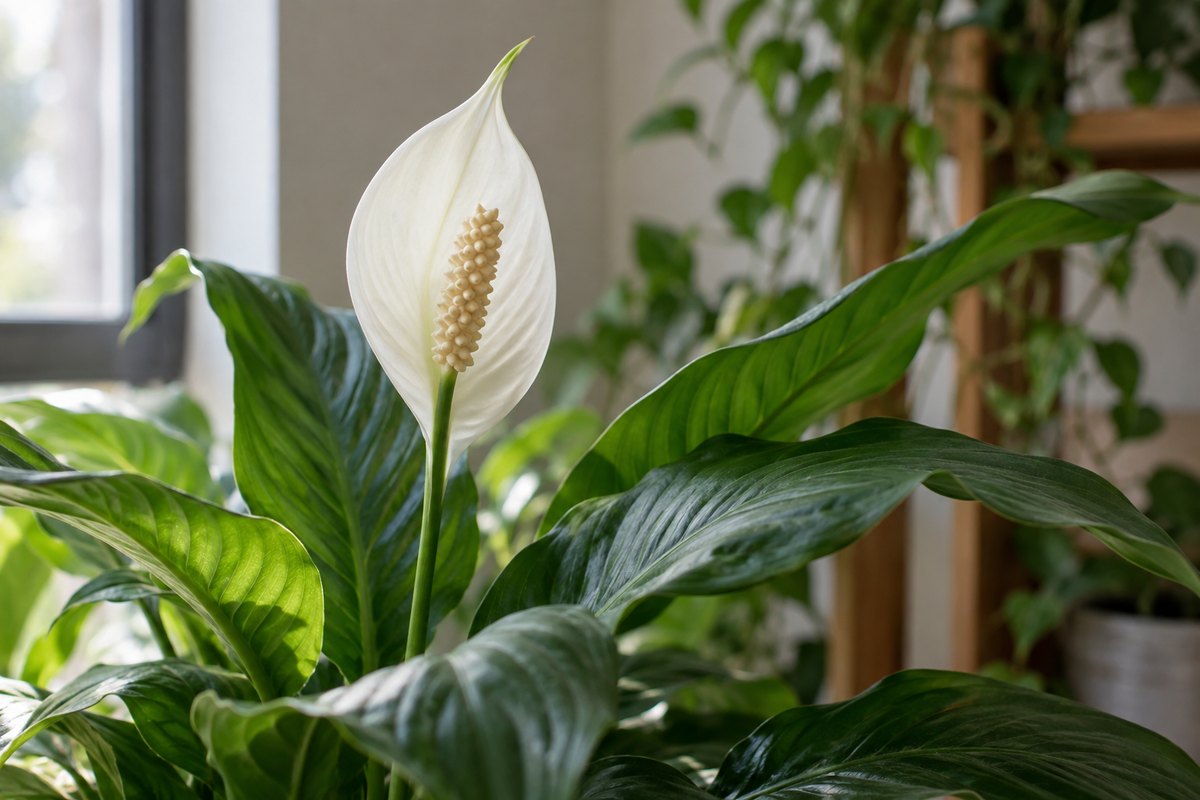
Spadix: A fleshy, spike-like structure densely packed with hundreds or even thousands of minute, unisexual flowers. These flowers are so tiny they’re nearly invisible to the naked eye, yet they are the true “flowers”—responsible for pollination and fruit production.
Spathe: A usually colorful, elegantly shaped modified leaf that wraps around or accents the spadix like a cloak. Many people mistake the spathe for a petal, but it’s actually a transformed leaf whose functions are to protect the inflorescence and attract pollinators.
The brilliance of this design lies in its efficiency. Traditional flowers must invest energy in petals, sepals, stamens, and pistils, while Araceae outsource the “attraction” work to the spathe and concentrate “reproduction” on a compact spadix—saving tremendous amounts of energy.
An Exclusive Party for Pollinators
The pollination strategy of Araceae is equally ingenious. Many species release special fragrances during flowering—some sweet and inviting, others carrying the scent of decaying flesh (to attract flies and beetles). The interior temperature of the spathe can rise several degrees above ambient during blooming, creating a warm, cozy “party space” where pollinators linger, casually picking up and distributing pollen.
Anthurium (Anthurium): The Flowering Star of Foliage Plants
The Visual Impact of a Crimson Spathe
If we had to choose the most commonly flowering foliage plant, Anthurium would undoubtedly be the champion. Its spathe is heart-shaped or lanceolate, in colors ranging from bright red, pink, white, and purple to even black. The upright spadix stands like a candle—hence the common name “flamingo flower” or “laceleaf.”
Interestingly, an Anthurium spathe isn’t a “one-time” affair. A healthy Anthurium can maintain a single spathe for weeks or even months—quite rare in the plant kingdom. As older spathes begin to fade, new ones emerge from the base—this is why a well-cared-for Anthurium has “flowers” to admire almost year-round.
A Story from the Curator
I remember once a guest pointing to our deep purple Anthurium asked: “Is this fake?” That spathe’s waxy sheen and uniform deep purple were indeed too perfect—too perfect to seem real. I invited her to touch it—the thick, smooth, slightly waxy texture is something artificial flowers can never replicate. The look of amazement on her face was the highlight of my day.
Monstera (Monstera deliciosa): Flowering Is a Long Wait
Why Indoor Monsteras Rarely Flower
Monstera flowering in indoor environments is extremely rare. Why? The answer lies in its growth cycle.
In the wild, Monstera is a large climbing vine that can ascend trees to heights of over ten meters. They need to reach considerable maturity—typically growing for several years or even decades—before entering the reproductive stage. When finally ready, they produce a massive spathe (up to 30 cm long) hiding a dense spadix.
The Monsteras in our homes are mostly young plants in pots, with growing space and light far inferior to a tropical rainforest. It’s like asking a fifteen-year-old why they haven’t had children yet—the time isn’t right, and conditions aren’t sufficient.
Bat Pollination and Delicious Fruit
In its native Mexico and South America, Monstera flowers are pollinated by bats and certain beetles. After successful pollination, the fruit takes up to a year to ripen. The ripe fruit resembles a green corn cob; peel away the outer skin, and the flesh inside releases an intense aroma blending pineapple and banana—this is the origin of the species name “deliciosa” (delicious).
But again: unripe fruit contains calcium oxalate crystals and must never be consumed.
Alocasia (Alocasia) Inflorescences and Berries
Alocasia flowers aren’t as showy as Anthurium, but have their own unique beauty. Their spathe is usually white, cream, or pale green, thinner in texture, shaped like a small boat or curled leaf. The spadix hides within, also requiring suitable pollinators to complete fertilization.
After successful pollination, Alocasia produces a string of bright red or orange berries hanging beneath the withered inflorescence like tropical jewels. Though beautiful, these berries are toxic and inedible. In the wild, birds disperse their seeds.
Why Won’t My Foliage Plants Flower?
This is one of the most common questions we receive at the Specimen Archive. Let me be direct: most indoor foliage plants don’t flower, and it’s not your fault. The reasons usually include:
Insufficient Maturity
Many foliage plants need to reach a certain age and size before flowering. The small plant you brought home may still be in its “adolescence.”
Inadequate Light
Flowering requires energy, and energy comes from photosynthesis. Indoor light intensity is typically only one-tenth of outdoor light—usually insufficient to accumulate the energy needed for blooming.
Insufficient Day-Night Temperature Variation
Although tropical regions stay warm year-round, they still have subtle seasonal changes. These environmental signals trigger a plant’s flowering mechanisms. In air-conditioned indoor environments, the minimal temperature difference means plants “can’t sense” the right timing.
Nutritional Imbalance
Excessive nitrogen promotes leaf growth but inhibits flowering. Adequate phosphorus and potassium are more conducive to flower bud differentiation.
Seed Propagation After Flowering
If you’re fortunate enough to have a foliage plant successfully flower and fruit, you can try propagating from seed. It’s a long but rewarding process:
1. Collect seeds: Harvest when berries are fully ripe, wash away the flesh
2. Sow: Plant seeds on moist perlite or sphagnum moss
3. Maintain warmth and humidity: Keep at 25-30°C with high humidity
4. Be patient: Araceae seeds may take weeks to months to germinate
The fascinating aspect of seed propagation is that offspring may show different characteristics from the parent plant—surprises that cuttings and division can never provide.
Conclusion: Every Flower Is a Secret Invitation
Foliage plant flowers are not showy like roses, nor spectacular like cherry blossoms. They hide in the shadows of lush leaves, using a delicate spadix to tell a story of millions of years of evolutionary wisdom. The next time you see an Anthurium raise its brilliant red spathe, or discover your Monstera quietly unfurling its massive white spathe one morning—remember, that is the plant’s secret invitation to the world.
At the Specimen Archive, we don’t just collect leaf forms; we also await every blooming moment. Want to admire more flowering foliage plants? Visit [plantjai.com](https://plantjai.com) to explore our Anthurium collection, or come in person to 4/F, Nam Hing Fong, 39 Yiu Wa Street, Causeway Bay, and witness these miniature miracles hidden among the leaves with your own eyes.
IN STORE NOW
Plants for this guide
Related plants in stock now — live prices, delivery or Causeway Bay pickup.
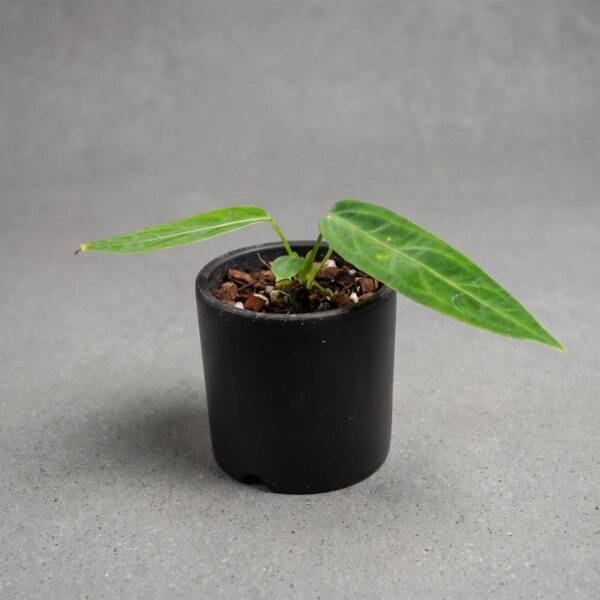
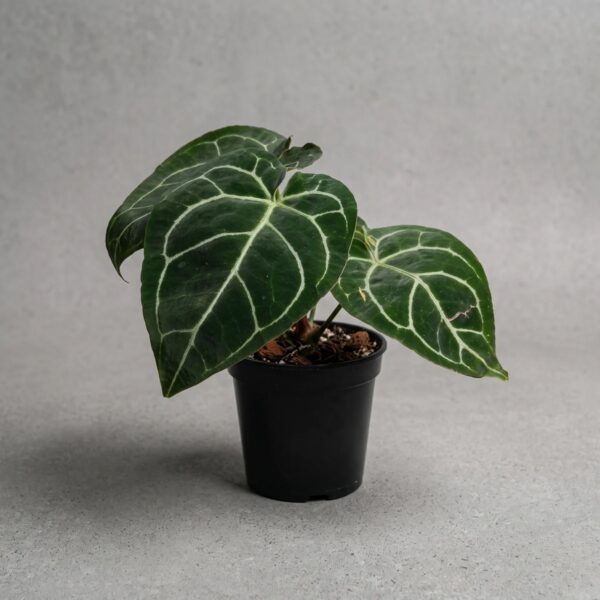
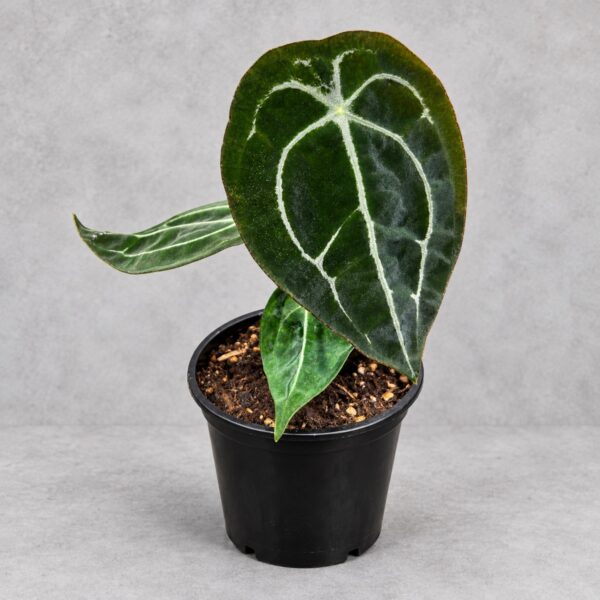
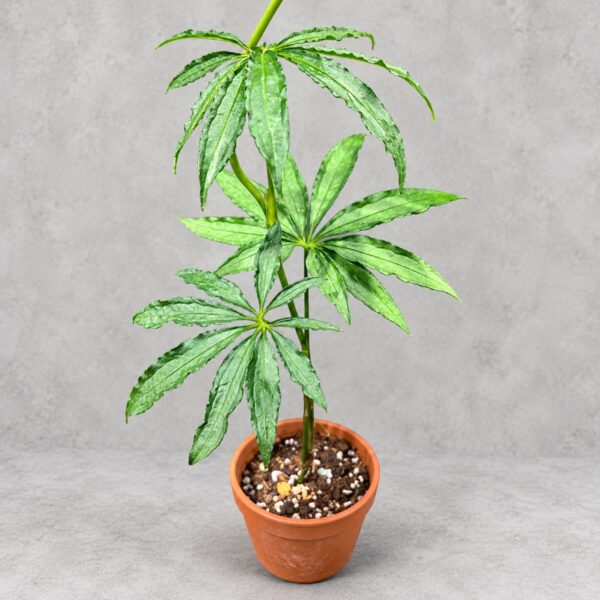
Anthurium crystallinum
Anthurium crystallinum
Original price was: HK$780.00.HK$380.00Current price is: HK$380.00.
In stock · store pickup
View plant
FREE PLANT ADVICE
Send us a photo before you change anything
WhatsApp a photo of the plant and your window light. Our Causeway Bay team will suggest care steps or plants that suit your space.
STORE · CAUSEWAY BAY
4/F, 39 Yiu Wa Street, Causeway Bay
Daily 12:30–8:00pm · ~3 min walk from Times Square
Map & directions