

The Origin of Foliage Plants: Plant Hunter Tales from the Amazon to Southeast Asia

Introduction
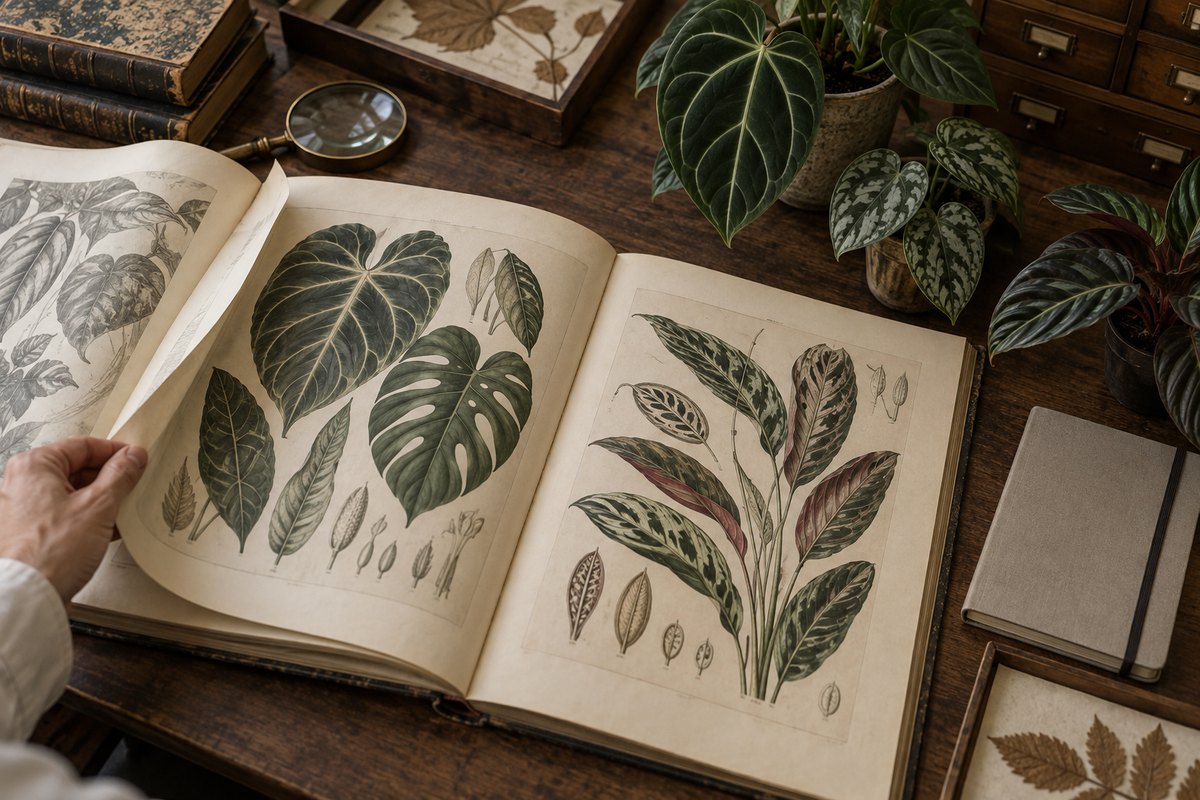
In the corner of the specimen archive hangs a faded print from the 1870s, depicting a group of men with canvas packs and machetes cutting their way through the dense forests of Borneo. They were not treasure hunters — at least not in the conventional sense. What they sought were the tropical treasures we today call “foliage plants.”
The monstera in your living room, the alocasia by your window, the philodendron on your desk — their ancestors were likely discovered in jungles just like that one. The journey of foliage plants from wild rainforests into our homes has taken nearly two centuries, a story filled with adventure, ambition, scientific passion, and a somewhat uncomfortable colonial history. Today, let me open that dusty expedition journal in the archive and take you on this remarkable journey.
The Victorian Era “Plant Fever”
Tropical Rainforest Dreams in the Drawing Room
Mid-nineteenth century Britain was riding the wave of the Industrial Revolution, which created unprecedented wealth and a rapidly growing middle class. These newly prosperous families sought interior decor that signaled refinement and taste — exotic flora from distant colonies. Breakthroughs in greenhouse technology (particularly the widespread adoption of glass conservatories in the 1840s and the stunning debut of London’s Crystal Palace in 1851) convinced people for the first time that tropical plants could survive indoors in temperate climates.
This was the era of “Fern Fever” (Pteridomania). People collected ferns with obsessive fervor. Aristocratic estates competed to build grand Palm Houses. London’s Chelsea Physic Garden and Kew Gardens became fashionable social venues. This craze created a massive market — with buyers willing to pay exorbitant prices for tropical plants never before seen in Europe.
Where there is demand, supply follows. A new profession was born: the Plant Hunter.
Who Were the Plant Hunters?
Plant hunters were not thieves, though their work certainly operated in the gray zone between exploration and extraction. Employed by botanical gardens, wealthy collectors, or commercial nurseries, their mission was to venture into colonies and collect unknown plant specimens and seeds. It was extraordinarily dangerous work — tropical diseases, venomous creatures, hostile indigenous groups, and brutal weather meant every expedition could be a one-way journey.
Joseph Dalton Hooker, son of Kew Gardens director William Hooker, was the rock star among plant hunters. During the 1840s, he traveled to the Himalayas and New Zealand, returning with thousands of plant specimens. But it was the unsung heroes who ventured deep into the Amazon and Southeast Asian rainforests who truly changed the history of foliage plants.
The Amazon: Discovery Fever in the Green Hell
The Lure of the Amazon
In the European imagination of the nineteenth century, the Amazon rainforest was a contradictory mix of “green hell” and “botanical paradise.” It harbored the planet’s richest biodiversity, alongside malaria, yellow fever, and countless unknown dangers that could claim a life overnight.
In the 1850s, British explorer Richard Spruce collected over seven thousand plant specimens from the Amazon basin, including numerous aroid species that would later become foliage plant stars. He spent fifteen grueling years in the hot, humid jungle, his body ravaged by disease, yet he opened a monumental door for European botany into this new world.
From Jungle to Crystal Palace
These painstakingly collected plants, after months of sea voyage, arrived at European ports to be carefully transplanted into conservatories. Many perished during transport; those that survived became treasures in the greenhouse.
Monstera deliciosa was first documented in the tropical rainforests of Central America and introduced to Europe in the late eighteenth century. Its enormous fenestrated leaves caused a sensation — Europeans had never seen such spectacular foliage. By the late Victorian era, monstera was a conservatory staple, and by the twentieth century it had ascended to become an icon of interior design.
Southeast Asia: The Botanical Treasures of Borneo, Sumatra, and the Philippines
The World’s Largest Greenhouse
If the Amazon was the “green hell,” then the Southeast Asian archipelago was an “ever-summer plant laboratory.” Borneo, Sumatra, the Philippines — these islands straddle the equator, with year-round heat and humidity, hosting some of the oldest and most complex tropical rainforest ecosystems on Earth.
Thomas Lobb was among the pioneers of Southeast Asian plant exploration. In the 1840s, employed by Britain’s Veitch Nurseries, he traveled to Southeast Asia seeking commercially valuable plants. In Borneo’s dense forests, he discovered wild relatives of numerous popular foliage plants, including various Alocasia and Philodendron species.
The Alocasia Legend
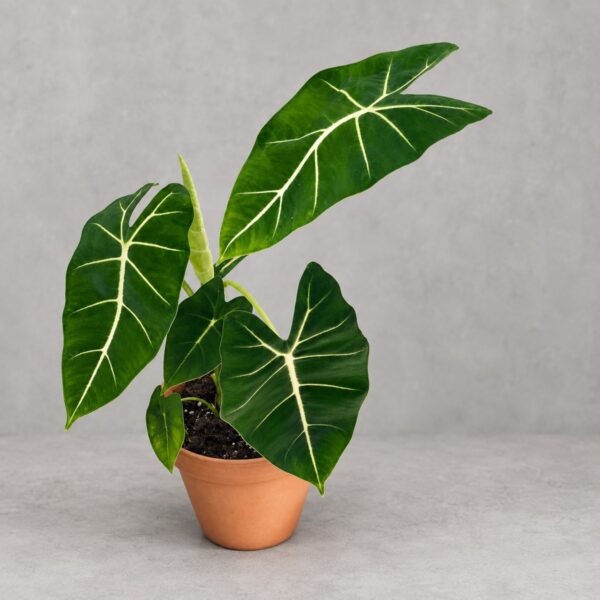
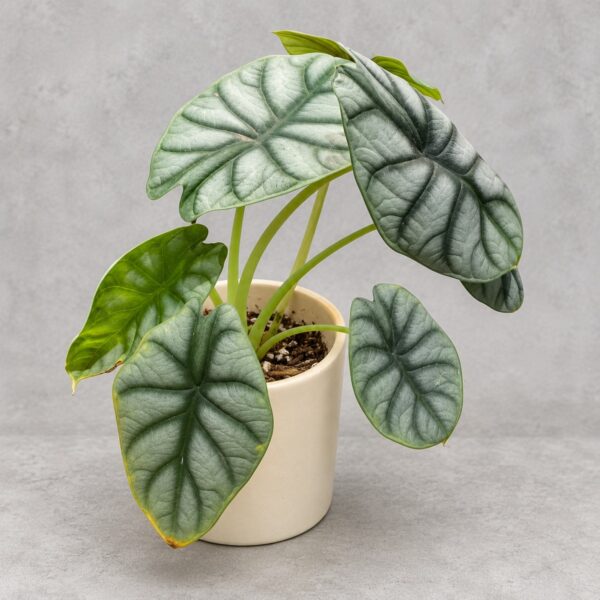
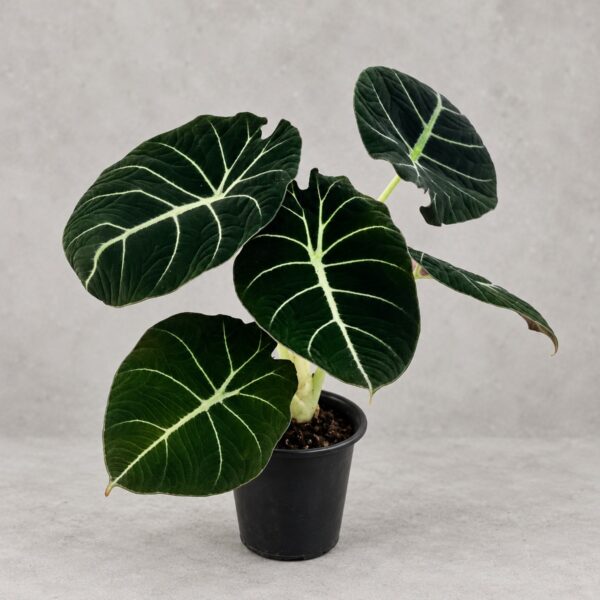
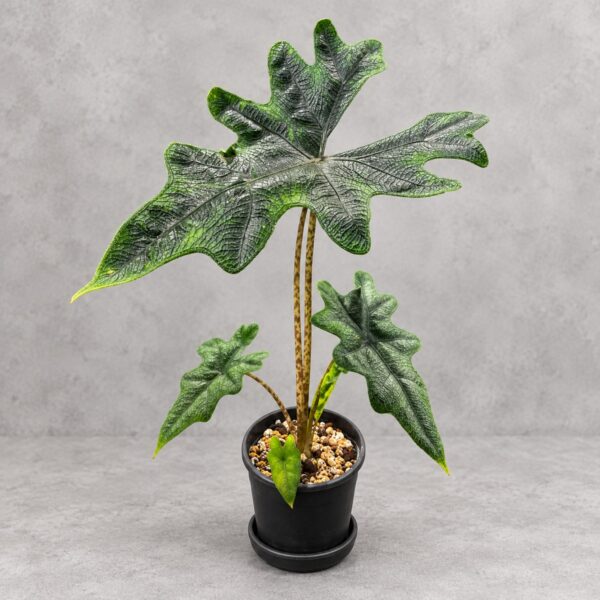
The genus Alocasia is one of Southeast Asia’s greatest gifts to the foliage plant world. Their enormous arrow-shaped leaves,华丽的vein patterns, and that almost primal tropical charisma made them highly sought-after from the very beginning.
Alocasia macrorrhizos (giant taro) is among the most common wild alocasias in Southeast Asia, reaching four meters in height in its native habitat. Local populations have long known that its corm is edible (after proper processing to remove calcium oxalate crystals), but for Europeans, its ornamental value far exceeded its culinary potential. In Victorian conservatories, a giant alocasia was a symbol of wealth and taste.
The Jungle Secrets of Philodendron and Pothos
Philodendron and Epipremnum species play the role of “epiphytic climbers” in Southeast Asian rainforests. Their seeds land on tree trunks or rock crevices, where aerial roots anchor them upward. Eventually, they unfurl massive leaves in the bright light of the forest canopy.
This growth strategy makes them ideal houseplants — they are naturally adapted to low light and humid conditions. In other words, perfectly suited to our living rooms and offices. Epipremnum aureum (golden pothos) was reportedly first discovered in French Polynesia and introduced worldwide in the early twentieth century. Today, it is one of the most common houseplants on the planet.
The Twentieth Century: Foliage Plants Enter Every Home
The Democratization from Greenhouse to Living Room
The popularization of foliage plants followed an interesting “democratization” trajectory. In Victorian times, tropical plants were the privilege of aristocrats — only they could afford the massive conservatories and professional gardening staff. But several factors in the mid-twentieth century changed everything.
Central heating and air conditioning allowed ordinary families to maintain stable indoor temperatures. Plastic pots and commercial potting mix lowered cultivation costs. Perhaps most importantly, the 1970s “back to nature” movement — hippie culture embraced houseplants as a way to reconnect with nature, and cascading hanging plants and large floor specimens became visual icons of that era.
The Green Revolution of Scandinavian Design
From the 1960s through the 1980s, Scandinavian interior designers began boldly incorporating large foliage plants into minimalist spaces. The clean lines of Monstera deliciosa, rubber plants (Ficus elastica), and fiddle-leaf figs (Ficus lyrata) complemented Nordic aesthetics perfectly. This pairing remains a golden rule of interior design today, elevating foliage plants from mere “gardening hobby” to “lifestyle statement.”
Modern Plant Trade and Conservation: Where Do Our Plants Come From?
From Wild Collection to Commercial Propagation
Today’s foliage plant market is worlds apart from a century ago. The vast majority of commercially available plants come from tissue culture, cutting propagation, and commercial nurseries — not wild collection. This is tremendous progress — it reduces pressure on wild populations and makes rare varieties more affordable.
But the problem hasn’t been completely solved. Certain extremely rare varieties (such as variegated mutations or newly discovered wild species) still face issues with illegal poaching. Social media-driven “plant fever” can sometimes inflate prices for rare varieties, which in turn stimulates wild poaching.
Every Plant Has a Story
When you browse a monstera or alocasia on plantjai.com, take a moment to consider: its ancestor may have grown beside a stream in the Amazon, or at the base of a giant tree in Borneo, discovered by a plant hunter risking his life, surviving months at sea, taking root in a European conservatory, then refined through generations of horticultural propagation — finally arriving at your doorstep.
This is no ordinary plant. It is living history.
Conclusion
The history of foliage plants is the story of humanity’s never-ending pursuit of natural beauty. The tales of plant hunters contain both courage and greed, scientific discovery and colonial extraction. But today, when we bring a tropical plant into our home, we are performing a kind of reconciliation — we appreciate it, care for it, and make it part of our living space.
The next time you water your monstera, raise a glass to those plant hunters who hacked their way through the jungles two centuries ago — they cleared not just forest trails, but the beautiful path from rainforest to living room.
If you’d like to learn more stories about foliage plants, visit us at PLANTJAI Specimen Archive. We’re located at 4/F, Nam Hing Fong, 39 Yiu Wa Street, Causeway Bay, housing hundreds of foliage plant species, each with its own story. You can also browse our online plant collection at plantjai.com to begin your botanical exploration.
May every watering be a conversation with history.
IN STORE NOW
Plants for this guide
Related plants in stock now — live prices, delivery or Causeway Bay pickup.
FREE PLANT ADVICE
Send us a photo before you change anything
WhatsApp a photo of the plant and your window light. Our Causeway Bay team will suggest care steps or plants that suit your space.
STORE · CAUSEWAY BAY
4/F, 39 Yiu Wa Street, Causeway Bay
Daily 12:30–8:00pm · ~3 min walk from Times Square
Map & directions