
How to Care for Philodendron Burle Marx Variegata in Hong Kong | Plantjai


Plantjai 植仔 · Care Encyclopedia
Philodendron Burle Marx Variegata
Philodendron 'Burle Marx' variegata 伯樂錦蔓綠絨
Hong Kong care guide — useful before you buy and after it arrives.
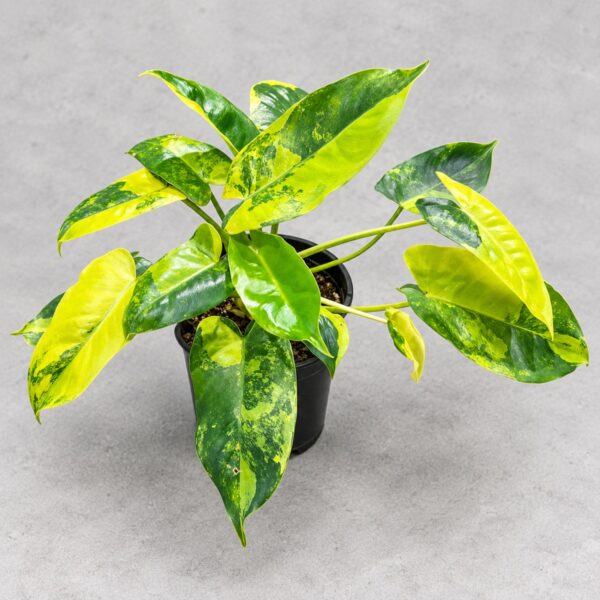
Shop this plantLong-oval leaves splashed with natural yellow-green variegation — every leaf is a unique work of art, and its climbing habit makes it wonderfully versatile to display, a dream variegated Philodendron every collector w…
Origin & characteristics
This variegated Philodendron is named after the famous Brazilian landscape architect Roberto Burle Marx, with the plain species native to the tropical rainforest of Brazil, a member of the evergreen vining genus Philodendron in the Araceae family. Leaves are long-oval, thick, and glossy, with the variegated form displaying irregular patches of yellow, pale green, and deep green — every leaf's variegation is different. Its natural growth habit is climbing, attaching to large trees in the wild; indoors, providing a sphagnum pole or climbing frame will guide its growth, and leaves will get larger and larger once it starts climbing. Mature plants can develop leaves reaching 20-30 cm or more.
⚠️ The entire plant is toxic, containing insoluble calcium oxalate crystals; ingestion causes mouth burning, drooling, and vomiting. Must be kept away from pets and children.
Light
- Ideal conditions: bright indirect light, near an east- or north-facing windowsill, 1-2 metres from a south-facing window
- Maintaining variegation: ample bright indirect light helps keep the yellow-green variegation vivid; insufficient light causes variegation to gradually turn green, even entirely green
- Avoid: intense direct sun scorches leaves, and the lighter variegated portions are especially prone to scorch spots
- Tip: if you notice new leaves showing reduced variegation or turning green, gradually move it closer to more light; conversely, if leaves develop scorched edges, move it further away
Watering
- Frequency: water once the top 2-3 cm of soil dries out, roughly every 7-10 days
- Method: water thoroughly around the rim, ensuring water drains from the base, then empty tray runoff
- Summer: active growth period, roughly every 5-7 days
- Winter: growth slows, extend to every 10-14 days
- Water quality: fairly sensitive to hard water — filtered water, rainwater, or tap water left standing overnight is recommended
- Warning signs: drooping leaves = underwatering; yellowing leaves or a soft stem = overwatering/root rot
Soil & pot
- Soil recipe: loose, breathable, well-draining, rich in organic matter
- Recommended recipe: quality peat soil + perlite + orchid bark + coco coir (ratio 2:1:1:1)
- Advanced recipe: an aroid-specific soil mix (Aroid Mix), bark-based
- pH: slightly acidic to neutral, roughly pH 6.0-7.0
- Pot choice: drainage holes are essential; terracotta pots offer good breathability
- Repotting timing: roughly once every 1-2 years, repot when roots emerge from the drainage holes
- Climbing support: a sphagnum pole, coco coir pole, or climbing frame is recommended — guided climbing results in larger, more beautiful leaves
Temperature & humidity
- Ideal temperature: 18-27°C, with 20-25°C being most comfortable
- Minimum tolerance: not below 15°C; prolonged cold stalls growth or causes cold damage
- Humidity requirement: 50-70% is ideal — this variegated cultivar needs slightly higher humidity than the plain green species
- Ways to increase humidity:
- Use a humidifier (the best option)
- Group plants together
- Line the pot base with damp pebbles
- Occasional misting (ensure ventilation, avoiding prolonged leaf-surface moisture)
- Avoid: direct AC airflow, cold drafts, heater vents, dramatic temperature swings
Common problems
| Symptom | Likely cause | What to do |
|---|---|---|
| Variegation fading to entirely green | Insufficient light | Move closer to a window to increase bright indirect light |
| Scorched edges/spots on leaves | Light too strong or humidity too low | Move away from strong light, increase surrounding humidity |
| Yellowing leaves | Overwatering/root rot, or natural ageing | Check watering frequency, trim off the lowest yellow leaves |
| Growth stalled | Temperature too low or dormancy | Check whether temperature is below 18°C |
| Small leaves | Insufficient light or no climbing support | Increase light, provide a sphagnum pole for climbing |
| Dust on leaf surface | Prolonged lack of cleaning | Gently wipe with a damp cloth to aid photosynthesis |
How to explain to customers
"This variegated Philodendron is a dream cultivar within the Philodendron family! Every leaf's yellow-green variegation is unique, as if nature painted it by hand. It's a climbing plant — give it a sphagnum pole to climb, and the higher it climbs, the bigger and more beautiful the leaves become. For care, remember three things: enough light but not direct sun, water once the soil dries out, and keep humidity on the higher side. One reminder though: it's toxic, and ingestion can cause mouth swelling, so keep it up high or behind a barrier if you have pets or young children. Variegated leaves are a bit more delicate, but growing them well is absolutely the pride and joy of your plant collection!"
Fun facts
- The name "Burle Marx" honours legendary Brazilian landscape architect Roberto Burle Marx, who brought tropical plant aesthetics into modern landscape design — the famous Copacabana beachfront promenade in Rio de Janeiro is one of his works
- This variegated Philodendron's patterning occurs naturally, not through artificial dyeing, so every leaf's pattern is a random creation of nature
- Climbing Philodendron species share a characteristic: the higher they climb, the bigger and better the leaves become; if simply left to hang, leaves stay smaller
- It's closely related to "Burle Marx Fantasy," but Fantasy has silvery, embossed patterning on its leaves and is even rarer
Keywords
Plantjai, variegated Philodendron, Philodendron Burle Marx variegata, Philodendron, variegated plant, Araceae, climbing plant, indoor plant, foliage plant, collector's plant, toxic plant, yellow-green variegation, sphagnum pole, indirect light, high humidity, rare cultivar, tropical plant
參考資料(想知來源可展開)
References
- Royal Botanic Gardens, Kew — Plants of the World Online: genus Philodendron, https://powo.science.kew.org/
- ASPCA — Toxic and Non-Toxic Plant List, https://www.aspca.org/pet-care/animal-poison-control/toxic-and-non-toxic-plants
⚠️ Contains insoluble calcium oxalate crystals; toxic to humans and pets if ingested. Keep out of reach of children and pets.
Plantjai · Causeway Bay collector indoor plants · WhatsApp +852 66807550
Plantjai shop · In stock online
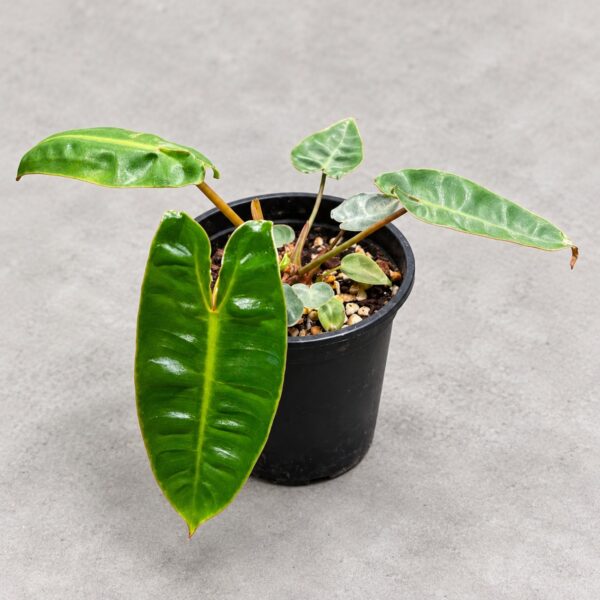
Philodendron 'Burle Marx' variegata
Original price was: HK$480.00.HK$280.00Current price is: HK$280.00.
Hong Kong delivery · Causeway Bay pickup
For Hong Kong homes and offices. Stock and pricing follow the product page.
IN STORE NOW
Plants for this guide
Related plants in stock now — live prices, delivery or Causeway Bay pickup.
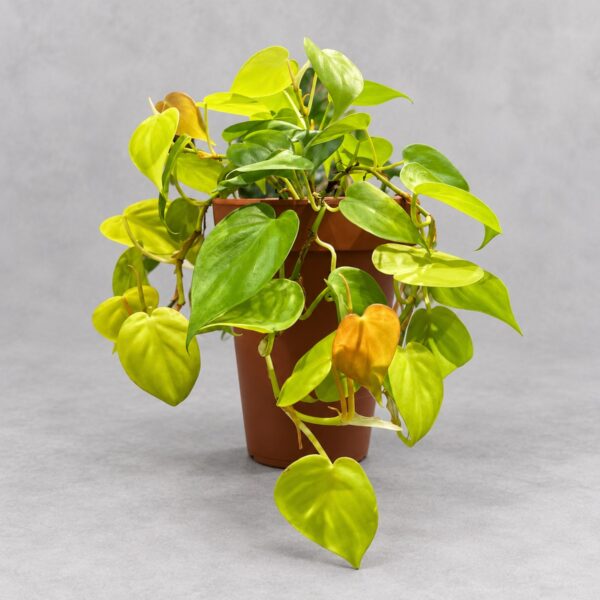
Philodendron hederaceum 'Lemon Lime'
Philodendron hederaceum 'Lemon Lime'
HK$198.00
In stock · store pickup
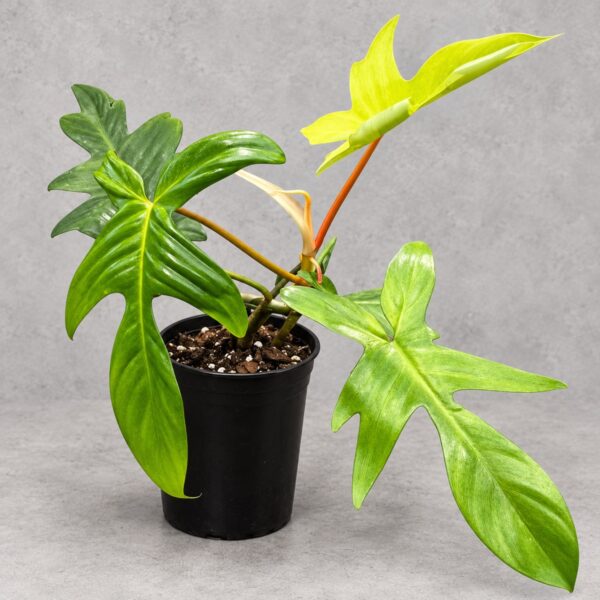
View plantPhilodendron 'Florida Ghost'
Philodendron 'Florida Ghost'
from HK$118.00
In stock · store pickup
View plant
FREE PLANT ADVICE
Send us a photo before you change anything
WhatsApp a photo of the plant and your window light. Our Causeway Bay team will suggest care steps or plants that suit your space.
STORE · CAUSEWAY BAY
4/F, 39 Yiu Wa Street, Causeway Bay
Daily 12:30–8:00pm · ~3 min walk from Times Square
Map & directionsPlant Care