
How to Care for Philodendron Brandtianum in Hong Kong | Plantjai

Plantjai 植仔 · Care Encyclopedia
Philodendron Brandtianum
Philodendron brandtianum 白蘭地蔓綠絨
Hong Kong care guide — useful before you buy and after it arrives.
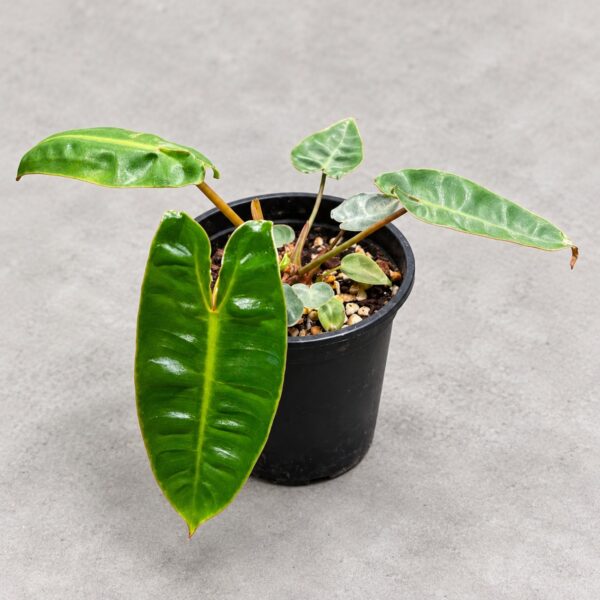
Shop this plantThe leaf surface is covered with a distinctive pattern woven from olive green and silvery grey, and its vining growth habit suits both hanging displays and climbing supports — one of the most textured, characterful ch…
Origin & characteristics
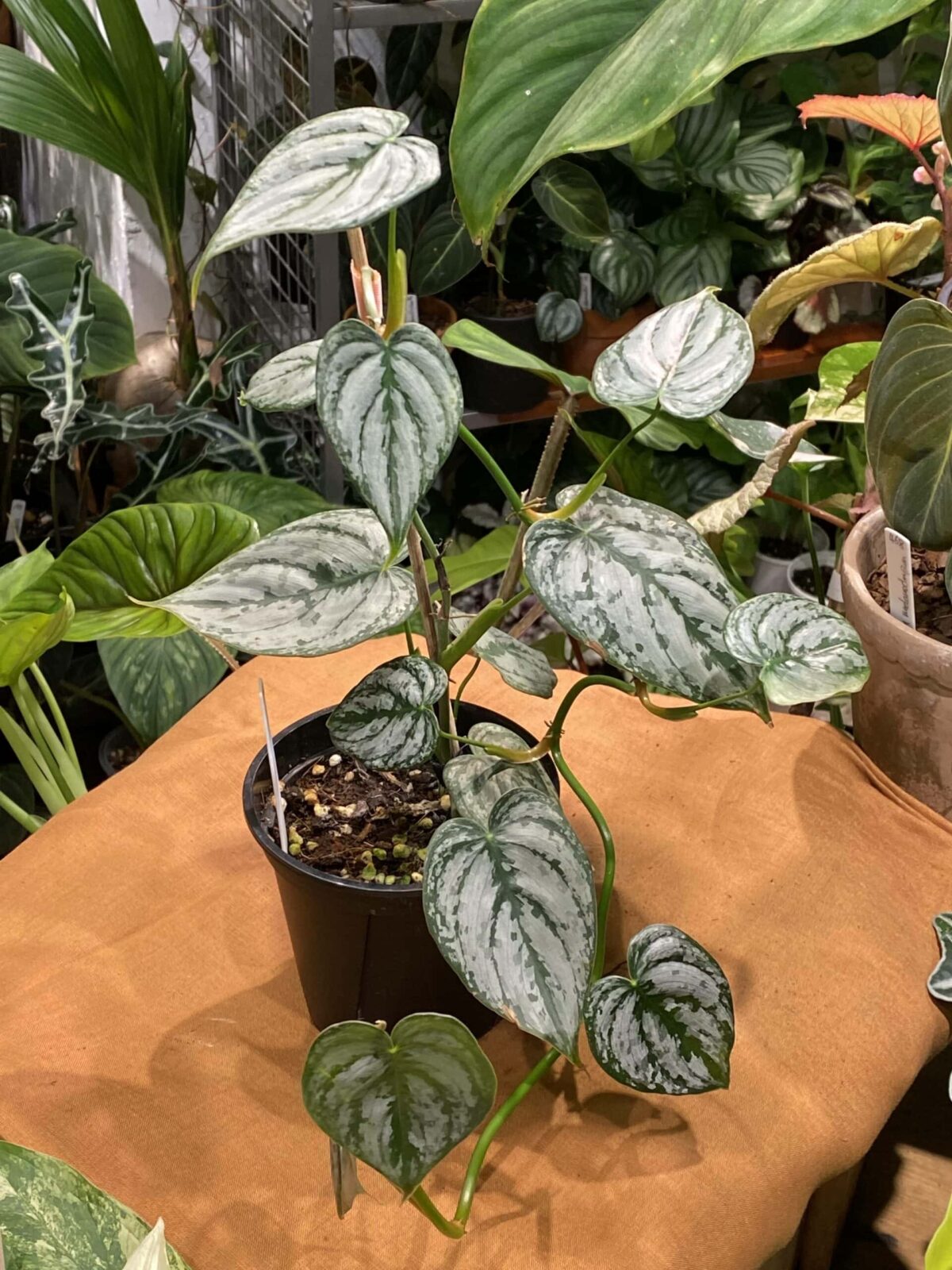
Philodendron brandtianum is native to Bolivia, Brazil, Colombia, and Ecuador in South America, primarily growing in the understory of tropical rainforest. It's a herbaceous vine, with mature leaves that are heart-shaped to oval, reaching 15-20 cm in length. The base leaf colour is olive green, overlaid with large silvery-grey patches that create a distinctive metallic sheen effect; the patterning deepens as leaves age. New leaves typically emerge in a bronze-orange colour before gradually shifting to a mature green-silver tone.
This Philodendron has a climbing growth habit, attaching to tree trunks upward in the wild; in cultivation, it can be grown either as a hanging plant or given a sphagnum pole or coco coir pole to climb. In a climbing setup, leaves develop larger and more spectacular.
⚠️ Toxicity warning: Philodendron brandtianum contains calcium oxalate crystals and is toxic. Ingestion may cause mouth burning, swelling, and gastrointestinal discomfort. Please place it out of reach of children and pets, and wash your hands thoroughly after sap contact. Wearing gloves during handling is recommended to avoid direct sap contact with skin or eyes.
Light
- Ideal light: bright indirect light. An east- or north-facing windowsill is best, and it can accept gentle direct morning sun
- Acceptable range: it adapts to semi-shade to medium light conditions, though patterning will be less vivid
- Avoid: harsh midday direct sun, which easily scorches leaves, causing browned edges or faded spots
- Signs of insufficient light: smaller leaves, reduced patterning, stretched internodes (legginess), new leaves taking on a deeper green tone
- Indoor placement suggestions: 1-2 metres from a south-facing window, near an east-facing window, or filtered through a sheer curtain. It can also adapt to artificial light in an office environment
Watering
- Frequency: water once the top 2-3 cm of soil dries out in spring/summer, roughly every 7-10 days; wait until roughly half the soil depth dries out in autumn/winter, roughly every 10-14 days
- Method: water slowly around the rim until excess drains from the base, waiting 10 minutes before emptying tray runoff
- Water quality: room-temperature tap water left standing is fine — not particularly demanding about water quality
- Signs of overwatering: yellowing leaves, a soft stem base, persistently wet soil, an unpleasant odour
- Signs of underwatering: drooping, curling leaves, browning leaf edges, soil shrinking away from the pot
- Notes: avoid prolonged standing water at the base, which easily causes root rot. In winter, water that's too cold shocks the roots — room-temperature water is recommended
Soil & pot
- Soil recipe: a loose, breathable, well-draining medium. Recommended recipe: quality foliage plant peat soil 60% + perlite 25% + bark chips 15%. Alternatively, use a pre-mixed aroid-specific soil
- pH: slightly acidic to neutral (5.5-6.5) is most ideal
- Pot choice: terracotta or clay pots offer the best breathability, benefiting root respiration; plastic pots retain moisture better but require adjusted watering frequency. Drainage holes at the base are essential
- Repotting timing: repot once every 1-2 years, ideally in spring. Consider sizing up when roots emerge from the drainage holes or circle around the pot's edge
- Repotting technique: a new pot 3-5 cm larger in diameter is sufficient — oversized pots easily lead to standing water and root rot. Keep the plant in a shaded spot for a week after repotting to help it adjust
Temperature & humidity
- Ideal temperature: 18-27°C is the best growing range
- Minimum tolerance: can briefly tolerate 10-12°C, but prolonged temperatures below 15°C cause dormancy or stalled growth
- High temperature note: above 32°C, improve ventilation and provide some shade to avoid heat damage
- Ideal humidity: 50-70% relative humidity is most ideal
- Managing low humidity: leaf tips easily develop brown, crispy patches. Improve humidity through:
- A humidifier (most recommended)
- Placing the plant on a pebble tray filled with wet stones (ensure the pot base doesn't touch the water)
- Grouping with other plants to increase local humidity
- Misting the leaves regularly (ensure good ventilation, avoiding prolonged water droplets on the leaf surface)
- Hong Kong climate adaptability: adapts well to Hong Kong's warm, humid climate, growing vigorously during the hot, humid summer months; keep warm in winter and avoid direct AC airflow
Common problems
Q: What if the silvery patterning on the leaves fades or disappears?
A: This is mainly due to insufficient light. Move the plant to a brighter position, and the patterning will gradually return as new leaves grow. Avoid moving it suddenly into strong light — do so gradually instead.
Q: What if brown spots appear on the leaf edges?
A: Possible causes include: 1) air too dry — increase humidity; 2) water too hard or high in fluorine/chlorine — switch to filtered or standing water; 3) fertiliser damage — reduce fertiliser concentration or frequency.
Q: Why is growth slow with small leaves?
A: Possibly insufficient light, lack of nutrients, or a root-bound pot. Check light conditions, and consider repotting or starting to fertilise.
Q: What if leaves turn yellow and drop?
A: If it's an occasional older lower leaf, this is normal metabolic turnover. If many leaves yellow simultaneously, it's usually overwatering and root rot, or underwatering — check soil moisture and root health.
Q: What about pests?
A: Common pests include spider mites (thrive in dry conditions), scale insects, and whiteflies. Spray diluted neem oil or soapy water on the leaf surface and undersides if pests appear; use a dedicated pesticide for severe infestations. Good air circulation is the best prevention.
Q: Can it be grown hydroponically?
A: Yes! Philodendron brandtianum adapts well to hydroponic growing — place a cutting in a container of clean water, changing the water regularly, and it will root. Hydroponic growth is slower than soil growth, but equally attractive.
How to explain to customers
"What's great about this Philodendron is the silvery patterning on the leaves — it has a metallic sheen that looks really textured. It's a vining plant, so you can let it hang down, or give it a pole to climb — the leaves get much bigger once it climbs. Care is really easy — it grows beautifully without much fuss, just bright indirect light and water once the soil dries out — a genuinely beginner-friendly choice. Remember to keep it somewhere children and pets can't reach, since like all Philodendron species, it's toxic."
Fun facts
- The species name "brandtianum" honours American botanist Edward Brandt, who conducted extensive plant collecting and research in South America in the early 20th century
- Though its trade name in Chinese sounds like "brandy," it has nothing to do with the drink — it's simply a phonetic rendering of the species epithet. Some enthusiasts call it the "Silver Leaf Philodendron," which better reflects its appearance
- The silvery patterning on its leaves is actually the result of light reflecting off a special cellular structure in the leaf's outer layer, rather than true pigment deposits. This structural colouring is fairly uncommon in the plant world, giving its leaf surface a unique metallic quality
- In the wild, its climbing habit allows it to reach up into the tree canopy, and mature plants in ideal conditions can develop leaves exceeding 30 cm
Keywords
Plantjai, Philodendron brandtianum, silver leaf Philodendron, Philodendron Silver, climbing plant, vine, patterned leaf, silver patterning, beginner-friendly, hanging plant, sphagnum pole, calcium oxalate toxic, indoor foliage plant, rainforest plant, Philodendron cultivar, low maintenance plant
參考資料(想知來源可展開)
References
- Royal Botanic Gardens, Kew — Plants of the World Online: Philodendron brandtianum, https://powo.science.kew.org/
- ASPCA — Toxic and Non-Toxic Plant List, https://www.aspca.org/pet-care/animal-poison-control/toxic-and-non-toxic-plants
⚠️ Contains calcium oxalate crystals; toxic to humans and pets if ingested. Keep out of reach of children and pets.
Plantjai · Causeway Bay collector indoor plants · WhatsApp +852 66807550
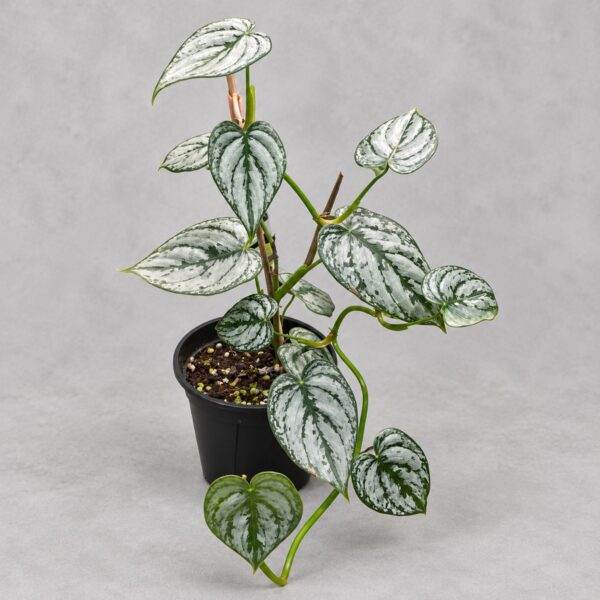
Plantjai shop · In stock online
Philodendron brandtianum
Philodendron brandtianum
HK$298.00
Hong Kong delivery · Causeway Bay pickup
For Hong Kong homes and offices. Stock and pricing follow the product page.
IN STORE NOW
Plants for this guide
Related plants in stock now — live prices, delivery or Causeway Bay pickup.
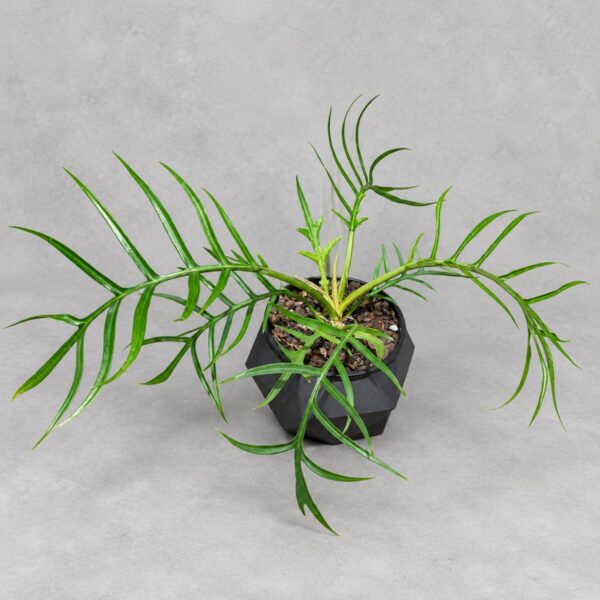
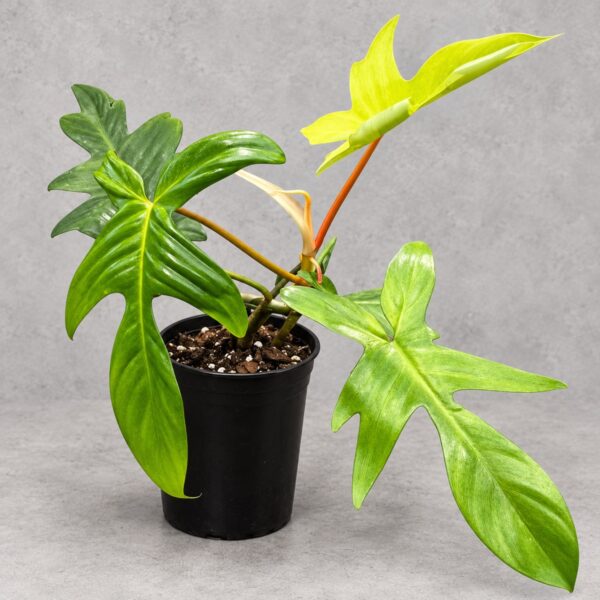
Philodendron 'Florida Ghost'
Philodendron 'Florida Ghost'
from HK$118.00
In stock · store pickup
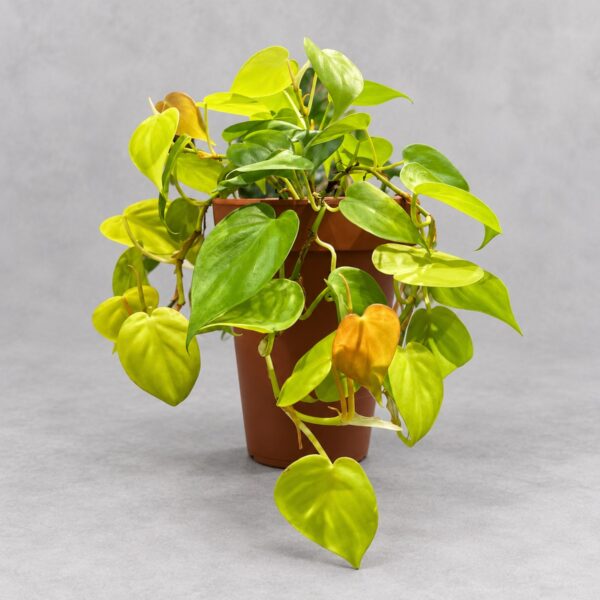
View plantPhilodendron hederaceum 'Lemon Lime'
Philodendron hederaceum 'Lemon Lime'
HK$198.00
In stock · store pickup
View plant
FREE PLANT ADVICE
Send us a photo before you change anything
WhatsApp a photo of the plant and your window light. Our Causeway Bay team will suggest care steps or plants that suit your space.
STORE · CAUSEWAY BAY
4/F, 39 Yiu Wa Street, Causeway Bay
Daily 12:30–8:00pm · ~3 min walk from Times Square
Map & directionsPlant Care