
How to Care for Begonia Rouge in Hong Kong | Plantjai


Plantjai 植仔 · Care Encyclopedia
Begonia Rouge
Hong Kong care guide — useful before you buy and after it arrives.
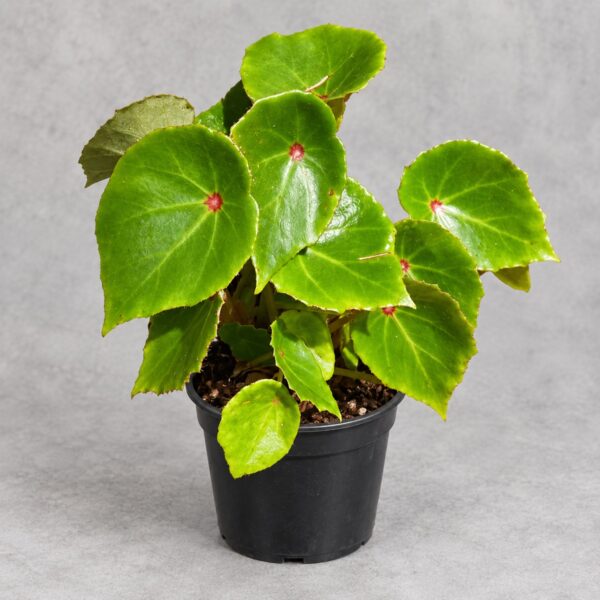
Shop this plantRounded emerald leaves marked with a red centre, like a rosy blush on a young girl's cheek.
Origin & characteristics
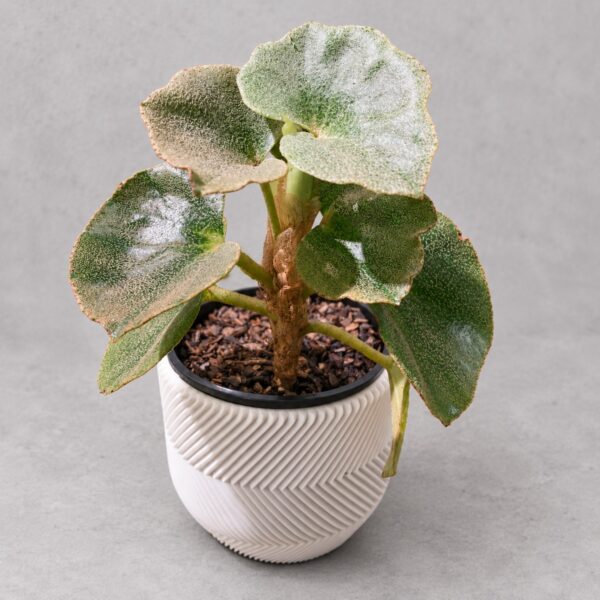
Rouge Begonia originates from the tropical rainforests of Central and South America, selectively bred from the Zip Begonia (Begonia conchifolia). Its rounded, shield-shaped leaves carry a vivid red spot at the centre, resembling the ornamental floral markings or rouge once worn by women in ancient times, hence the name. Some forms also display cream-white and green mottling, making each leaf genuinely unique. The plant stays small and compact, typically 15–30 cm tall, ideal for tabletop display or terrarium growing. The whole plant contains calcium oxalate crystals and is toxic if ingested, potentially causing oral irritation and gastrointestinal upset.
Light
- Prefers bright, diffused light — an east- or north-facing windowsill is best
- Under ample light, the red spot is at its most vivid and the patterning most striking
- Avoid direct sun, which easily scorches the leaves and fades the patterning
- Insufficient light causes the red spot to fade and the leaf colour to dull, with growth becoming loose
- A relatively shade-tolerant cultivar, adaptable to gentler indoor light conditions
Watering
- Water once the topsoil is dry about 2–3 cm down, avoiding overwatering
- Keep the soil lightly moist, never waterlogged
- Reduce watering further in winter as growth slows, letting the soil run slightly drier
- Water directly onto the soil, avoiding wetting the leaves to prevent fungal issues
- Empty any standing water from the saucer promptly
- Room-temperature soft water (rainwater or distilled water) is preferable
Soil & pot
- Choose a light, loose, well-draining substrate
- Recommended recipe: general potting soil + perlite + coco fibre (for extra airflow and moisture retention)
- Shallow-rooted, suiting a wide, shallow pot or a low profile container
- Must have drainage holes; terracotta is preferable
- A terrarium setup also suits it well, naturally maintaining high humidity
- Avoid an overly large pot when repotting; being slightly root-bound helps manage moisture
Temperature & humidity
| Factor | Ideal range | Notes |
|---|---|---|
| Temperature | 18–26°C | Below 10°C risks cold damage; avoid cold drafts |
| Humidity | 60–80% | Higher humidity makes leaf colour more vivid |
- A humidity-loving cultivar, well suited to bathrooms, kitchens, or terrarium growing
- A humidifier or pebble tray can help raise surrounding humidity
- Avoid misting the leaves directly, as damp leaves invite powdery mildew
- Maintain good air circulation — stagnant, humid conditions encourage mould
- Keep away from AC vents and heaters
Common problems
| Issue | Likely cause | What to do |
|---|---|---|
| Red spot fading | Insufficient light or lacking nutrients | Move to a brighter position, fertilise appropriately during the growing season |
| Leaves turning brown, edges scorched | Humidity too low | Increase surrounding humidity, avoid placing in a dry spot |
| Powdery mildew | Poor air circulation, humidity too high | Trim affected leaves, improve ventilation, avoid wetting the leaves |
| Root rot | Overwatering or poor drainage | Reduce watering, check pot drainage, repot and trim roots if necessary |
| Leaves shrinking | Insufficient light or overdue for repotting | Adjust light or size up the pot at the appropriate time |
| Pests (whitefly, spider mites) | Environment too warm or poor ventilation | Check leaf undersides regularly, wipe with neem oil or soapy water |
How to explain to customers
"Rouge Begonia is genuinely adorable — the leaves are perfectly round with a little red spot at the centre, almost like it's wearing makeup. It doesn't take up much space either, so it looks lovely on a desk or in a terrarium, and it's not too demanding to care for."
"It does like a more humid environment though, so if your home runs the AC a lot, it's best kept in the bathroom, or with a humidifier nearby. As for watering, don't overdo it — wait until the topsoil is dry before watering, since waterlogged roots are a real problem."
Fun facts
Rouge Begonia's red spot sits at the point where the petiole meets the leaf blade, a feature academically known as "basal leaf blush," inherited from its ancestor the Zip Begonia and an important identifying marker for the species. The French word "rouge" means "red," a perfect match for this vivid splash of colour.
Keywords
Rouge Begonia, Begonia Rouge, Zip Begonia, Begonia conchifolia, red-spot begonia, patterned begonia, round-leaf begonia, peltate leaf, terrarium plant, foliage plant, high humidity plant, indoor potted plant, toxic plant, collector's cultivar, tabletop plant
參考資料(想知來源可展開)
References
- American Begonia Society. Begonia conchifolia and Zip Begonia forms. https://www.begonias.org/
- RHS. Begonias as Houseplants. https://www.rhs.org.uk/plants/begonias/houseplants
- ASPCA. Begonia – Toxic and Non-Toxic Plants. https://www.aspca.org/pet-care/animal-poison-control/toxic-and-non-toxic-plants/begonia
⚠️ Toxicity warning: Rouge contains calcium oxalate crystals throughout the plant and is toxic if ingested, potentially causing oral irritation and gastrointestinal upset. Keep out of reach of children and pets.
In-depth care guide
Introduction
Rouge Begonia traces its lineage to Begonia conchifolia, commonly known as the Zip Begonia, native to the humid lowland forests of Central and South America. Through selective breeding, growers have developed cultivars like 'Rouge' that emphasise the species' most charming natural feature — a distinctive red or crimson marking at the base of each rounded, shield-shaped leaf, right where the petiole meets the blade. This "basal blush" gives every leaf a slightly different, almost hand-touched quality, since the exact size and intensity of the red marking can vary from leaf to leaf.
As a member of the shield-leaf begonia group, Rouge grows from a creeping rhizome close to or along the soil surface, staying compact and low-growing throughout its life. This makes it especially well suited to small spaces — tabletops, shelves, and terrariums — where its diminutive size and detailed leaf markings can be appreciated up close.
Light requirements
Rouge does best in bright, diffused light, with an east- or north-facing windowsill being ideal. Under good light, the signature red spot develops its most vivid colour and the overall leaf patterning stays crisp and well-defined. Direct sun should be avoided entirely, since it scorches the leaves easily and fades the delicate red marking that makes this cultivar so distinctive.
Interestingly, Rouge is somewhat more shade-tolerant than many other ornamental begonias, adapting reasonably well to the gentler, more diffuse light typical of most Hong Kong apartments. That said, insufficient light will still cause the red spot to fade over time and the overall growth to become loose and less compact, so aim for consistently bright — just not direct — light wherever possible.
Watering
Water once the topsoil has dried out to a depth of about 2–3 cm, avoiding overwatering at all costs. The goal is soil that stays lightly moist without ever becoming waterlogged, and this becomes even more important in winter when the plant's growth slows and its water needs drop accordingly.
Always water directly onto the soil rather than over the leaves, to prevent fungal issues developing on the foliage. Empty any water that collects in the saucer promptly after each watering. Room-temperature soft water — rainwater or distilled water — is preferable, especially if your home's tap water tends to be hard or heavily chlorinated.
Soil and pot
A light, loose, well-draining substrate suits Rouge well. A useful combination is general potting soil mixed with perlite and coco fibre, which balances airflow with moisture retention. Because the plant is shallow-rooted, a wide, shallow pot or a low-profile container works better than a deep one, and terracotta is generally preferable for the added breathability it provides.
Growing Rouge in a terrarium is a particularly good option, since the naturally high humidity inside a terrarium closely mirrors its native rainforest conditions. When repotting, avoid moving to an oversized pot — Rouge actually benefits from being slightly root-bound, which helps manage soil moisture more predictably.
Temperature and humidity
Rouge grows best between 18°C and 26°C, with cold damage becoming a risk below 10°C — keep it well away from cold drafts, particularly in winter. Humidity is where this cultivar has its most specific needs: it thrives at 60–80% humidity, and higher humidity noticeably intensifies its leaf colouring, making the red spot and green patterning both more vivid.
Given these humidity preferences, Rouge does particularly well in bathrooms, kitchens, or terrarium setups where ambient moisture stays naturally elevated. A humidifier or pebble tray can help in drier rooms, but avoid misting the leaves directly, since damp foliage combined with the plant's love of humidity creates ideal conditions for powdery mildew if air circulation isn't also maintained. Keep the plant away from AC vents and heaters, both of which cause the kind of temperature and humidity swings this begonia dislikes.
Common problems in detail
Fading red spot typically points to insufficient light or a lack of nutrients — move the plant to a brighter position and fertilise appropriately during the active growing season.
Browning leaves with scorched edges usually indicate humidity that's too low — increase ambient humidity and avoid placing the plant in an overly dry spot.
Powdery mildew develops from poor air circulation combined with excess humidity — trim affected leaves, improve ventilation, and avoid wetting the foliage directly.
Root rot results from overwatering or poor drainage — reduce watering frequency, verify the pot drains well, and repot with root trimming if the problem is advanced.
Shrinking leaves can indicate either insufficient light or that the plant is overdue for repotting — adjust the light level or move to a larger pot as appropriate.
Pests such as whitefly or spider mites tend to appear in overly warm or poorly ventilated conditions — check the undersides of leaves regularly and treat with neem oil or soapy water at the first sign of trouble.
Toxicity information
Rouge contains calcium oxalate crystals throughout the plant, toxic if ingested by humans or pets, potentially causing oral irritation and gastrointestinal upset. Keep the plant out of reach of children and pets, and wash your hands after handling.
References
- American Begonia Society. Begonia conchifolia and Zip Begonia forms. https://www.begonias.org/
- RHS. Begonias as Houseplants. https://www.rhs.org.uk/plants/begonias/houseplants
- ASPCA. Begonia – Toxic and Non-Toxic Plants. https://www.aspca.org/pet-care/animal-poison-control/toxic-and-non-toxic-plants/begonia
- Missouri Botanical Garden. Begonia conchifolia. Plant Finder. http://www.missouribotanicalgarden.org/PlantFinder/
Plantjai shop · In stock online
Begonia 'Rouge'
Begonia 'Rouge'
HK$168.00
Hong Kong delivery · Causeway Bay pickup
For Hong Kong homes and offices. Stock and pricing follow the product page.
IN STORE NOW
Plants for this guide
Related plants in stock now — live prices, delivery or Causeway Bay pickup.
FREE PLANT ADVICE
Send us a photo before you change anything
WhatsApp a photo of the plant and your window light. Our Causeway Bay team will suggest care steps or plants that suit your space.
STORE · CAUSEWAY BAY
4/F, 39 Yiu Wa Street, Causeway Bay
Daily 12:30–8:00pm · ~3 min walk from Times Square
Map & directionsPlant Care