How to Care for Anthurium Guantong Papi in Hong Kong | Plantjai

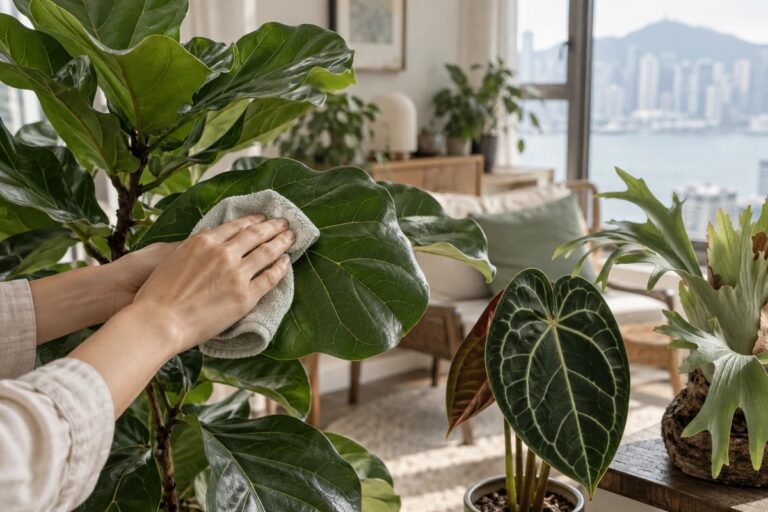
Hong Kong care guide for Anthurium Guantong Papi.
Intensely velvety, dark green leaves with dramatic wavy edges — Gatun Lake provenance makes this a "black velvet art piece" that Anthurium collectors dream of owning.
Origin & characteristics
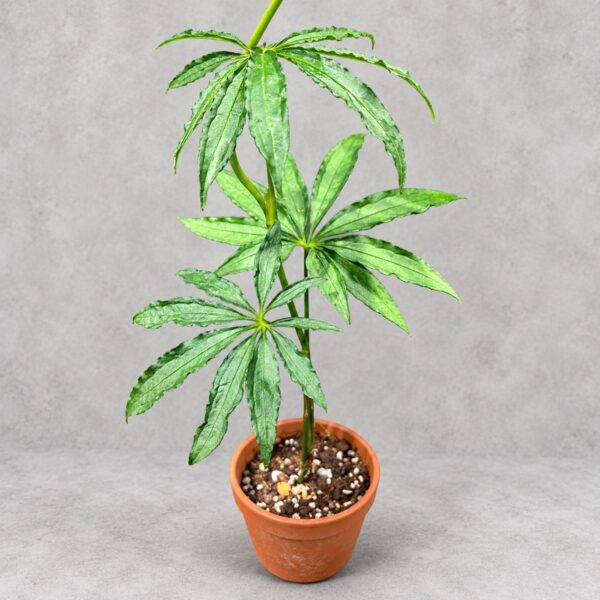
Gatun Lake Papi Anthurium originates from the lowland tropical rainforest around Panama's Lake Gatun, belonging to the genus Anthurium in the Araceae family. "Papi"-type Anthuriums are known for their leaf texture and form, and this Gatun Lake provenance individual has leaves in deep forest green to nearly black, covered in dense velvety fuzz with a texture as smooth as velvet to the touch. The leaf edges show natural wavy pleating, with mature leaves reaching 40–60 cm in length, and sunken veins creating a distinctive, dimensional texture. Growth is moderate, requiring fairly high humidity and a stable environment. The whole plant contains calcium oxalate crystals and is toxic — ingestion can cause oral burning, drooling, and vomiting, and contact with the sap may irritate skin, so wash hands thoroughly after handling and keep away from pets and young children.
Light
- Ideal placement: bright, diffused light, 1–2 metres from a south- or east-facing window
- Suitable range: 800–1,500 foot-candles is ideal
- Avoid: direct sunlight, which easily causes white scorch spots on the velvety leaf surface
- Signs of insufficient light: faded leaf colour, small new leaves, weak elongated stems
- Supplemental tip: a grow light for 8–10 hours daily can help
Watering
- Principle: keep the soil lightly moist but never waterlogged, water once the top 1–2 cm has dried
- Seasonal frequency:
- Spring/summer (growing season): roughly every 5–7 days
- Autumn/winter (slower growth): roughly every 7–10 days, letting it dry out a bit more
- Method: water with room-temperature water along the pot's edge until it flows from the base, then empty the standing water
- Water quality tip: let tap water stand overnight before use, or switch to filtered water/rainwater, to avoid fluoride and chlorine build-up damaging the velvety leaf surface
Soil & pot
- Soil recipe: prioritises aeration and drainage above all; recommended: orchid mix (bark + coconut husk) 40% + perlite 25% + peat 20% + charcoal chips 15%
- Alternative: use a quality orchid mix and add 20% perlite
- pH: slightly acidic to neutral (5.5–6.5)
- Pot choice:
- Ceramic or breathable plastic pot, must have drainage holes
- Anthurium roots need good aeration — an oversized pot causes soil to stay wet for too long
Temperature & humidity
- Ideal temperature: 20°C–28°C, prefers a stable, warm environment
- Minimum tolerance: roughly 15°C — below this, growth stalls and leaves easily develop cold-damage spots
- Humidity requirement: 60%–80% — high humidity is key to keeping the leaves' healthy velvety texture
- Humidification methods:
- Using a humidifier (most ideal)
- Placing among other plants to create a microclimate
- A pebble tray with water beneath the pot (make sure the pot base doesn't touch the water directly)
- Warning: avoid direct airflow hitting wet leaves, which easily triggers leaf spot disease
Common problems
| Issue | Likely cause | What to do |
|---|---|---|
| Dry, brown leaf tips | Humidity too low or water too hard | Increase surrounding humidity, switch to filtered water or rainwater |
| Yellow spots on leaves | Sunburn or fungal infection | Move away from strong light, check leaf undersides for disease signs |
| Small new leaves, short petioles | Insufficient light or inadequate nutrients | Move closer to a light source or increase light intensity; feed lightly during growing season |
| Soft, drooping leaves | Root rot from overwatering, or underwatering | Check soil moisture; if too wet, check root health |
| White powdery coating on velvety surface | Whitefly or mealybugs | Gently wipe with a cotton swab dipped in alcohol; use insecticidal soap for severe cases |
| Growth completely stalled | Temperature too low or environmental change | Keep stable above 20°C, minimise moving the plant |
How to explain to customers
"This Gatun Lake Papi Anthurium is a genuine collector-grade plant — the leaf surface is a deep forest green velvet texture, feels just like velvet to the touch, and the wavy edges are so artistic. It comes from Panama's Lake Gatun, so it needs high humidity and a stable environment — ideally with a humidifier nearby, or even a bathroom windowsill works well. This plant is toxic, so if you have kids or pets at home, place it carefully out of their reach. It's best to water with filtered water or settled tap water, and avoid misting the velvety leaves directly, since they rot easily when wet."
Fun facts
Lake Gatun is a key part of the Panama Canal, and the tropical rainforest surrounding the lake is home to a huge diversity of unique aroid species — many Anthurium cultivars were originally collected from this area before being introduced to the horticultural trade. The "Papi" type name is actually a horticultural nickname for Anthuriums with velvety dark green leaves and wavy-pleated edges, rather than a formal taxonomic classification.
Keywords
Anthurium, Papi Anthurium, Gatun Lake, Guantong, velvet leaf, Araceae, foliage plant, tropical rainforest plant, high-humidity plant, dark-leaf plant, wavy-edged leaf, toxic plant, collector-grade plant, indoor plant, diffused light
參考資料(想知來源可展開)
References
- International Aroid Society — Anthurium species and cultivar database. https://www.aroid.org
- Exotica Esoterica — Velvet leaf anthuriums in cultivation, by Jay Vannini. https://www.exoticaesoterica.com/magazine/the-ultimate-guide-to-velvet-leaf-anthuriums
- Royal Horticultural Society (RHS) — How to grow anthuriums. https://www.rhs.org.uk/plants/anthuriums/how-to-grow-anthuriums
⚠️ Pet / toxicity note: Anthuriums contain calcium oxalate crystals, toxic to pets and children. Ingestion may cause oral pain, drooling, and vomiting. Keep out of reach of pets and small children. If accidental ingestion occurs, rinse the mouth immediately and seek medical advice.
In-depth care guide
Introduction
Gatun Lake Papi Anthurium is a horticultural name given to a group of velvet-leaf Anthuriums collected from the lowland rainforest surrounding Panama's Lake Gatun — part of the watershed that feeds the Panama Canal. The "Papi" designation isn't a formal botanical classification, but rather a nickname collectors and nurseries use for Anthuriums that share a family of traits: deep, near-black velvety leaves, pronounced sunken venation, and naturally wavy, pleated leaf margins. Because the exact species identity of many "Papi"-type plants circulating in the trade hasn't been formally confirmed, this article uses "botanical name unconfirmed" to reflect that uncertainty honestly, while still providing care guidance based on this plant's clear physical characteristics and its close relatives within the velvet-leaf Anthurium group.
Panama's Lake Gatun region sits within one of the most biodiverse tropical zones in Central America, and it has proven to be an especially rich source of new and undescribed Anthurium material over the past two decades, driven partly by increased plant-hunting activity following the boom in collector interest in velvet-leaf aroids. Plants from this specific provenance are often distinguished by growers based on subtle differences in leaf shape, sheen, and vein pattern compared to similar-looking Anthuriums from other regions of Panama or Colombia.
Physical characteristics
The Gatun Lake Papi Anthurium's most distinctive feature is its leaf texture and form. Mature leaves are elongated-oval, reaching 40–60 cm, with a thick, plush, velvety surface in a colour so dark green it reads as nearly black under most indoor lighting. The veins are noticeably sunken rather than raised, creating a quilted, three-dimensional texture across the leaf surface — a hallmark shared with other "pebbled" or bullate-leaf Anthuriums. The leaf margins show a soft, natural wave or ruffle, distinguishing it visually from the flatter-edged crystallinum-type Anthuriums. New leaves typically emerge a lighter, softer green or reddish-bronze before darkening and firming up as they mature, developing their full velvet sheen over several weeks.
Light requirements
As with most velvet-leaf Anthuriums, this plant is adapted to the low, filtered light conditions of the rainforest understorey, and does best with bright but indirect light in the range of 800–1,500 foot-candles. A spot 1–2 metres back from an east- or south-facing window, filtered by a sheer curtain, works well. Direct sun will scorch the delicate velvet surface, leaving permanent white or bleached patches that never recover. If light is too weak, you'll see the classic signs of etiolation: elongated, weak stems, smaller new leaves, and a general loss of the deep, saturated leaf colour that makes this plant so desirable. A full-spectrum grow light run for 8–10 hours daily, positioned 30–40 cm from the leaves, makes a good supplement in low-light homes.
Watering technique
Water thoroughly whenever the top 1–2 cm of the growing medium has dried, letting excess water drain fully from the pot's base before returning it to its spot. In Hong Kong's warm, humid spring and summer, this typically works out to roughly every 5–7 days; in the cooler, drier autumn and winter months, stretch this to every 7–10 days. Because the velvety leaf surface is particularly prone to permanent water spotting and fungal issues if splashed, always water at the soil level rather than from overhead, and never mist directly onto the leaves. Using tap water left to stand overnight, or switching to filtered water or rainwater, helps avoid the chlorine and fluoride build-up that commonly causes leaf-tip browning on velvet Anthuriums over time.
Humidity management
High humidity, ideally in the 60–80% range, is essential to maintaining this plant's signature velvety texture and preventing crispy, browning leaf margins. A humidifier placed near the plant is the most reliable solution, particularly important in Hong Kong during the drier autumn and winter months when air conditioning or heating dries out indoor air. Grouping the plant with other humidity-loving tropical species creates a beneficial microclimate through their combined transpiration. A pebble tray beneath the pot also helps, provided the pot's base never sits directly in the water. Take care to avoid direct airflow (from fans, AC vents, or open windows) hitting wet leaves, since this combination is a common trigger for bacterial and fungal leaf spot diseases.
Soil and potting
This plant needs an extremely well-aerated, fast-draining growing medium — standard potting soil will suffocate and rot the root system. A recommended recipe combines orchid mix (bark and coconut husk) at 40%, perlite at 25%, peat moss at 20%, and charcoal chips at 15%, giving a slightly acidic to neutral pH of 5.5–6.5. If preparing your own mix isn't convenient, a quality commercial orchid mix with an added 20% perlite works as a simpler alternative. Choose a ceramic or well-perforated plastic pot with generous drainage holes — an oversized pot is a common mistake, since it holds excess moisture around the roots for far longer than the plant can tolerate, increasing root rot risk.
Temperature
The ideal growing range is 20–28°C, with this plant strongly preferring a stable, consistently warm environment over one with wide swings. It can tolerate temperatures down to roughly 15°C for short periods, but prolonged exposure below this threshold stalls growth and can cause visible cold-damage spotting on the leaves. In Hong Kong, take care during winter to keep the plant away from cold window drafts, and during summer, avoid placing it directly in the path of air conditioning airflow, which can shock the plant with sudden temperature and humidity drops.
Feeding
During the active growing season, a light, diluted balanced liquid fertiliser applied every three to four weeks supports healthy new leaf development without risking fertiliser burn on the sensitive root system. Always water the plant first so fertiliser doesn't contact dry roots directly. Reduce or stop feeding through the cooler winter months when growth naturally slows.
Common problems
Dry, brown leaf tips: almost always traced back to low humidity or hard water — check both before assuming a more serious problem.
Yellow spots developing into larger patches: check first for sunburn if the plant has recently been moved to a brighter spot; if not, inspect the leaf undersides for early signs of fungal infection.
Small, short-petioled new leaves: a light and nutrition issue — move the plant closer to a bright window and resume regular feeding if the growing season has started.
Soft, drooping leaves with moist soil: this points to root rot rather than underwatering — remove the plant from its pot, trim away any blackened roots, and repot into fresh, well-aerated medium.
White powdery residue on leaf undersides: check for whitefly or mealybugs, treating with a cotton swab dipped in isopropyl alcohol for light infestations, or insecticidal soap for more established colonies.
Toxicity information
Like all Anthurium species, the Gatun Lake Papi Anthurium contains calcium oxalate crystals throughout its tissue, making it toxic if chewed or ingested by pets or children — symptoms include oral burning, excessive drooling, and vomiting. Sap contact can also irritate skin, so wearing gloves during pruning or repotting is a sensible precaution, along with washing hands thoroughly afterward.
References
- International Aroid Society. Anthurium species and cultivar database. https://www.aroid.org
- Exotica Esoterica. Velvet leaf anthuriums in cultivation, by Jay Vannini. https://www.exoticaesoterica.com/magazine/the-ultimate-guide-to-velvet-leaf-anthuriums
- Royal Horticultural Society (RHS). How to grow anthuriums. https://www.rhs.org.uk/plants/anthuriums/how-to-grow-anthuriums
- Missouri Botanical Garden. Anthurium genus overview. https://www.missouribotanicalgarden.org
For Hong Kong homes and offices. Stock and pricing follow the product page.
IN STORE NOW
Plants for this guide
Related plants in stock now — live prices, delivery or Causeway Bay pickup.
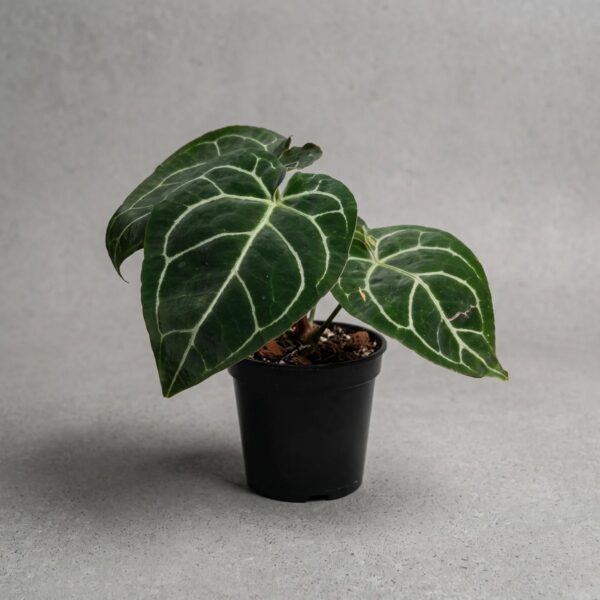
Anthurium crystallinum
Anthurium crystallinum
Original price was: HK$780.00.HK$380.00Current price is: HK$380.00.
In stock · store pickup
View plant
FREE PLANT ADVICE
Send us a photo before you change anything
WhatsApp a photo of the plant and your window light. Our Causeway Bay team will suggest care steps or plants that suit your space.
STORE · CAUSEWAY BAY
4/F, 39 Yiu Wa Street, Causeway Bay
Daily 12:30–8:00pm · ~3 min walk from Times Square
Map & directionsPlant Care