

Hong Kong Climate and Foliage Plants: Complete Seasonal Care Calendar

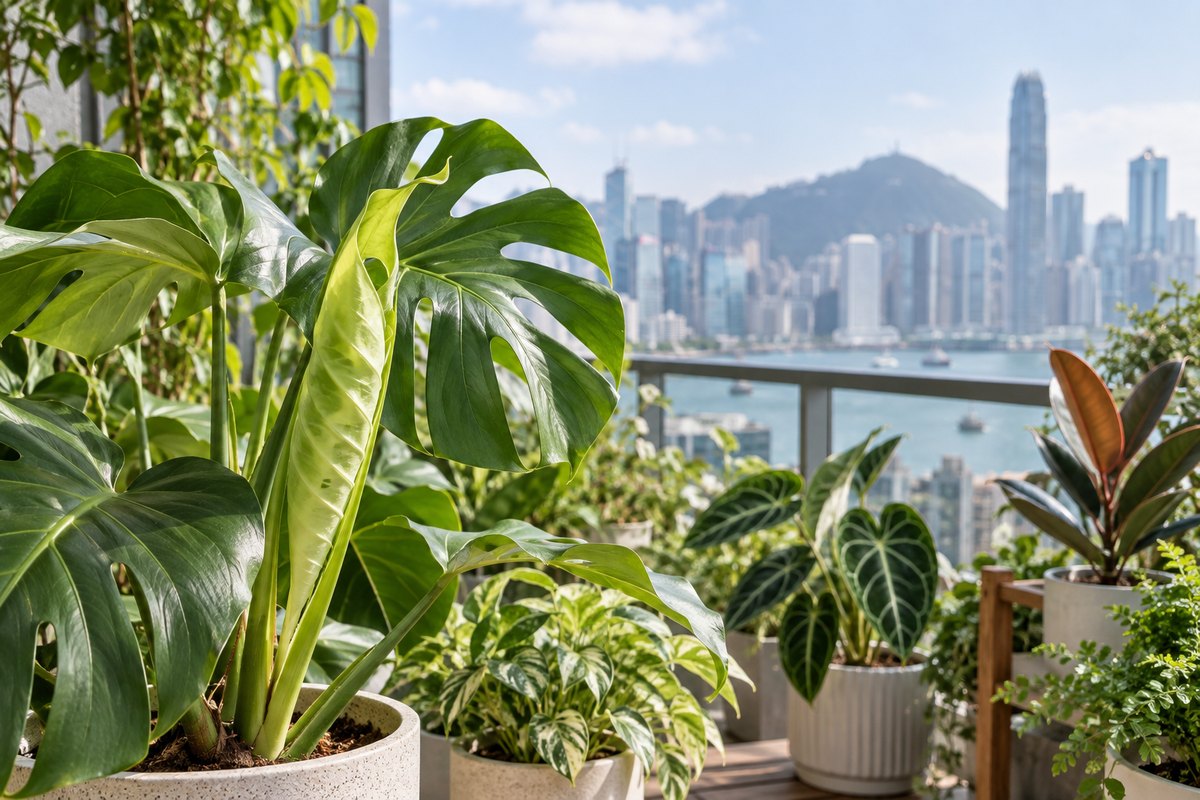
Spring (March-May): The Growth Feast of Renewal
Climate Characteristics and Plant Response
Once March arrives, temperatures steadily climb above 20°C, daylight hours extend, and plant growth cells seem to hear a starting pistol — new shoots emerge, roots activate, metabolism accelerates. This is the season when plants are hungriest all year.
Fertilising: A Generous Meal for Your Plants
Spring is prime fertilising season. I start the first week of March, applying diluted balanced liquid fertiliser (NPK 20-20-20) every two weeks. Fast-growing species like pothos (Epipremnum aureum) and arrowhead vines (Syngonium podophyllum) can even handle weekly light feeds. Remember: better diluted than too concentrated — “weak and frequent” is the golden rule of spring feeding.
Propagation: Strike While the Iron Is Hot
April is the golden month for cuttings. The warm, humid environment makes roots pop out at surprising speeds. Pothos, English ivy (Hedera helix), spider plant (Chlorophytum comosum) stolons, and rubber plant (Ficus elastica) top cuttings are all virtually foolproof. Snip your cuttings, pop them in water or perlite, and within two to three weeks you’ll see white root tips emerging.
Repotting: Give Roots a Bigger Home
If your plant hasn’t been repotted in two years, April is the time. Fresh soil, fresh pot, fresh start. After repotting, keep it in a shaded spot for a week to recover — don’t rush to fertilise. Freshly repotted roots are still adjusting, and feeding now will “burn” them.
Summer (June-August): The Double-Edged Sword of Heat and Humidity
Climate Characteristics and Plant Response
Hong Kong summers aren’t just hot — they’re suffocating. Temperatures regularly hover between 30-33°C, and humidity frequently exceeds 80%. For tropical plants, this feels like “coming home” — growth reaches its annual peak. But for heat-sensitive species (like certain calatheas Calathea spp.), this season is a brutal test.
Watering: Frequent but Never Soggy
Summer transpiration is intense, and soil dries at alarming speed. Most foliage plants need watering once to twice, even three times weekly. But here’s the trap — in high heat and humidity, the surface may look dry while the bottom remains soggy. My method is simple: stick your finger two knuckles deep into the soil. Dry? Water. Still damp? Wait.
Ventilation: Plants Need to Breathe Too
Stagnant air is a breeding ground for root rot and pests. In summer, ensure air circulates around your plants. Run fans (not directly blasting), open windows (if AC isn’t running 24/7), or move plants to better-ventilated spots. We run industrial fans at the Archive all summer — this single habit has cut our pest and disease rate by at least half.
Shade Protection: Block That Deadly Afternoon Sun
Summer sun from 10am to 3pm can scorch foliage plant leaves within hours. West-facing window plants are especially vulnerable. Draw sheer curtains, apply heat-reflective film, or move plants one to two feet back from the window. Some species like snake plants (Sansevieria trifasciata) and cacti can handle intense light, but most foliage plants cannot.
Autumn (September-November): Winding Down, Preparing to Rest
Climate Characteristics and Plant Response
September in Hong Kong is still sweltering, but by October the northeast monsoon brings drier, cooler air. Plants sense shortening days and dropping temperatures, naturally slowing their growth. This is the transition from “growth mode” to “maintenance mode”.
Gradually Reduce Watering
As temperatures drop, transpiration weakens and plants need noticeably less water. Continue summer watering frequency and nine times out of ten you’ll get root rot. My approach: extend the watering interval by one day every two weeks, letting plants and soil adapt gradually. By November, most plants can return to a weekly or even ten-day watering rhythm.
The Last Feed of the Year
Apply one last light fertiliser in October, then let plants enter their “rest period”. Winter root activity slows, so fertiliser won’t be absorbed and will instead accumulate as salt damage in the soil. It’s like not overeating before bed — plants need a clean, quiet winter too.
Cleaning and Inspection
Autumn is the perfect time for a plant “health check”. Inspect leaf undersides for insect eggs, check soil for mushrooms, and see if roots are poking through drainage holes. Wipe dust off leaves with a damp cloth — this not only looks better but also helps leaves photosynthesise more efficiently. Winter light is already limited; every ray is precious.
Winter (December-February): Quiet Rest and Protection
Climate Characteristics and Plant Response
Hong Kong winters can drop below 8°C at their coldest — while not freezing, this is dangerous territory for true tropicals like calatheas and ferns. Combined with the dry air from indoor heating or air conditioning, winter is actually a “high-risk period” for foliage plants.
Keep Warm: Stay Away from That Cold Draft
Window sills are often the coldest spots in a room, especially at night. Move cold-sensitive plants (calatheas, Boston ferns, nerve plants) at least one foot away from windows, or use foam padding between the sill and the pot as insulation. If the forecast drops below 10°C, I cover particularly delicate species with clear plastic bags in the evening — a makeshift greenhouse effect.
Reduce Watering: Laziness Makes Plants Happier
Winter growth nearly stops, so water requirements hit their annual low. Most foliage plants need watering only every ten days to two weeks. Better slightly dry than soggy — cold temperatures plus wet soil is an express lane to root rot.
Increase Humidity: Combatting Dry AC/Heater Air
When running heaters or AC, indoor humidity can plummet to 20% or lower. For plants accustomed to tropical rainforests, this is torture. A humidifier is the most direct solution, or place a water dish nearby, mist regularly (but don’t let water pool in leaf centres — that causes rot), or group plants together to create a locally humid microclimate.
Special Weather: ‘Wet Return’ (nam4 tin1 — warm moist air returning from the south) Days, Plum Rain, and Typhoons
‘Wet Return’ (nam4 tin1 — warm moist air returning from the south) Days and Plum Rain Season (February-April, June): Days So Wet Things Grow Mold
Walls weeping, floors gleaming, clothes still damp after three days — Hongkongers have a love-hate relationship with this weather. For plants, consecutive days of 90%+ humidity combined with cool temperatures is a fungal and bacterial party.
During ‘Wet Return’ (nam4 tin1 — warm moist air returning from the south) periods, you can virtually stop watering altogether. Stop. Watering. The moisture in the air is already enough for plants to absorb. Meanwhile, maximise ventilation — run dehumidifiers, run fans, use any means to get air moving. If you spot brown spots or soft rot on leaves, that’s bacterial infection. Cut off affected leaves immediately and reduce watering.
Typhoon Season (July-September): Wind and Flood Protection
Before a typhoon hits, move all window and balcony plants indoors. Strong winds can blow a two-foot-tall plant off a ledge in seconds — the consequences don’t bear thinking about. After heavy rain, check if water has pooled in saucers and pour it out immediately. For outdoor plants that have been rained on for days, consider temporarily moving them to a sheltered position.
Conclusion
Hong Kong plant seasonal care boils down to eight words: “Follow nature’s timing; observe your plants.” There’s no universal watering schedule that fits every home, because every home has different light, ventilation, and temperature. Your pothos might need water every five days; your neighbour’s identical plant might only need it every ten — that’s why learning to “read” your plants matters more than memorising any care guide.
This seasonal maintenance calendar is a map, but the real journey requires you to spend a little time each day, bending down, checking the soil, feeling the leaves, and listening to what your plants are telling you.
I’m always available at plantjai.com and our Causeway Bay Specimen Archive. Whether you want to learn spring propagation, troubleshoot summer root rot, or worry about whether your calathea will survive winter — come by and let’s chat. Together, we’ll keep your foliage plants four seasons thriving all year round.
IN STORE NOW
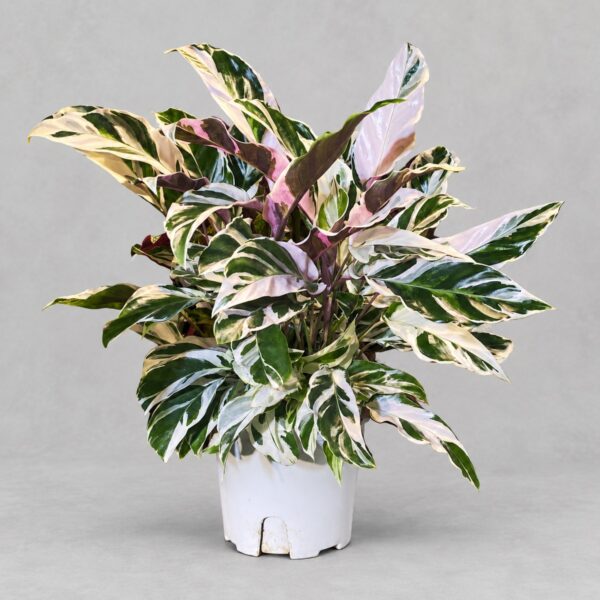
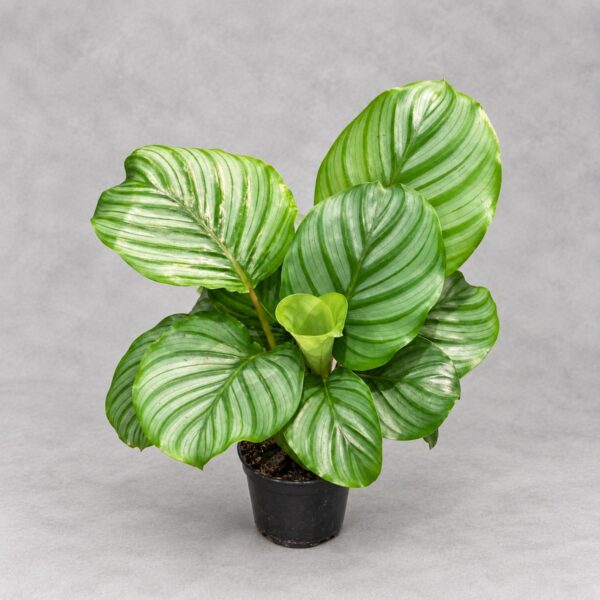
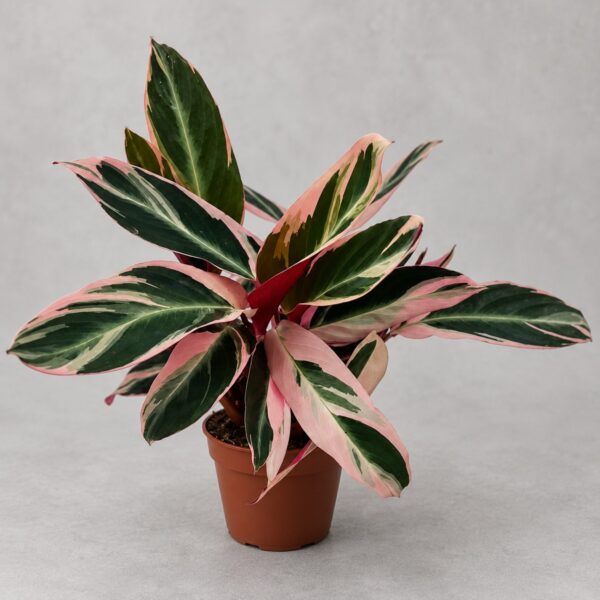
Plants for this guide
Related plants in stock now — live prices, delivery or Causeway Bay pickup.
FREE PLANT ADVICE
Send us a photo before you change anything
WhatsApp a photo of the plant and your window light. Our Causeway Bay team will suggest care steps or plants that suit your space.
STORE · CAUSEWAY BAY
4/F, 39 Yiu Wa Street, Causeway Bay
Daily 12:30–8:00pm · ~3 min walk from Times Square
Map & directionsHK Plant Living


